5 Seemingly Harmless Habits That Can Harm Your Lungs
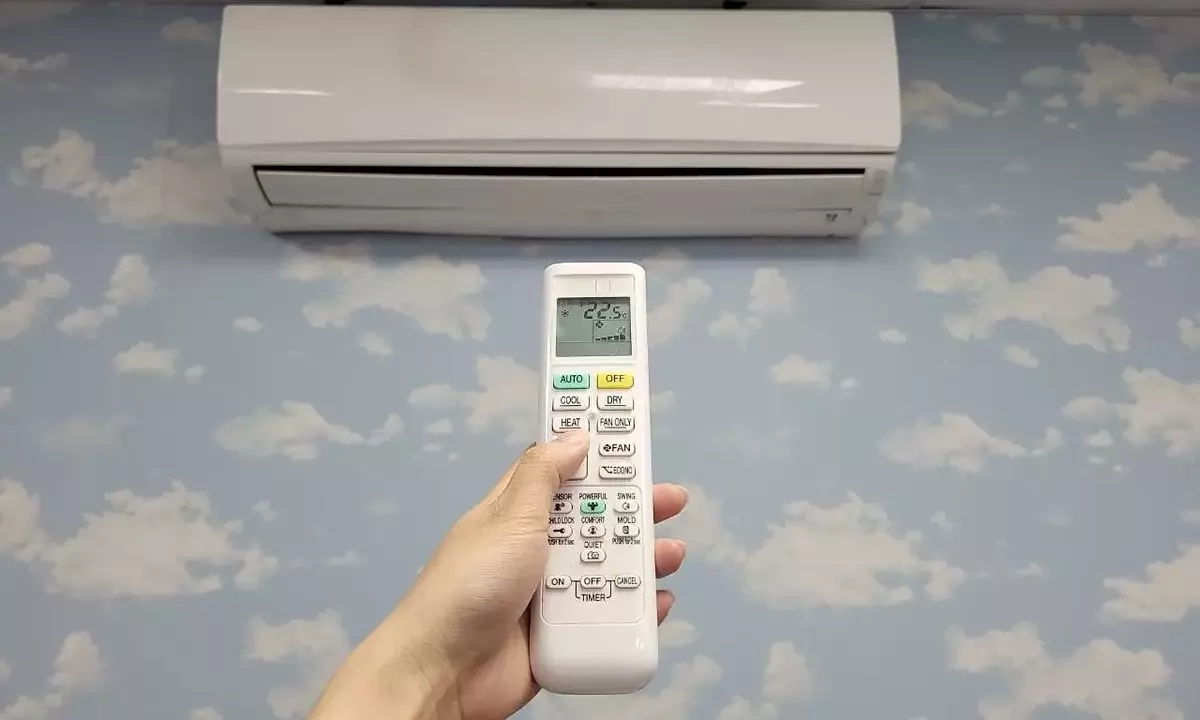
Several everyday habits, though seemingly innocuous, can significantly increase the risk of lung damage. Breathing through the mouth, for instance, bypasses the nose's natural filtering system, allowing pollutants and pathogens to enter the lungs more directly. Consistently keeping doors and windows shut, even when indoors, can lead to a buildup of indoor air pollutants, including dust mites, mold spores, and volatile organic compounds, which are then inhaled. Exercising outdoors during periods of high air pollution exposes the lungs to a concentrated dose of harmful particles and gases, such as particulate matter (PM2.5) and ozone. These habits, when practiced regularly, can contribute to chronic respiratory issues and exacerbate existing lung conditions. It is important for individuals to be aware of these potential risks and consider modifying their behaviors to protect their respiratory health.
The article highlights common behaviors that may negatively impact lung health, focusing on air intake methods and environmental exposure. By bypassing natural filtration (mouth breathing) or increasing exposure to poor air quality (closed environments, outdoor exercise in polluted conditions), individuals inadvertently increase their respiratory system's burden. This underscores the importance of environmental awareness and mindful breathing practices. Over the next decade, as air quality concerns persist and indoor living increases, understanding and mitigating these risks will become even more critical for public health. Promoting cleaner indoor environments and advising caution during periods of high outdoor pollution are key public health considerations.
AI-generated to prompt reflection — not editorial opinion, not advice, not a statement of fact. How this works.