5 Simple Tricks to Avoid Buying Bad Bananas
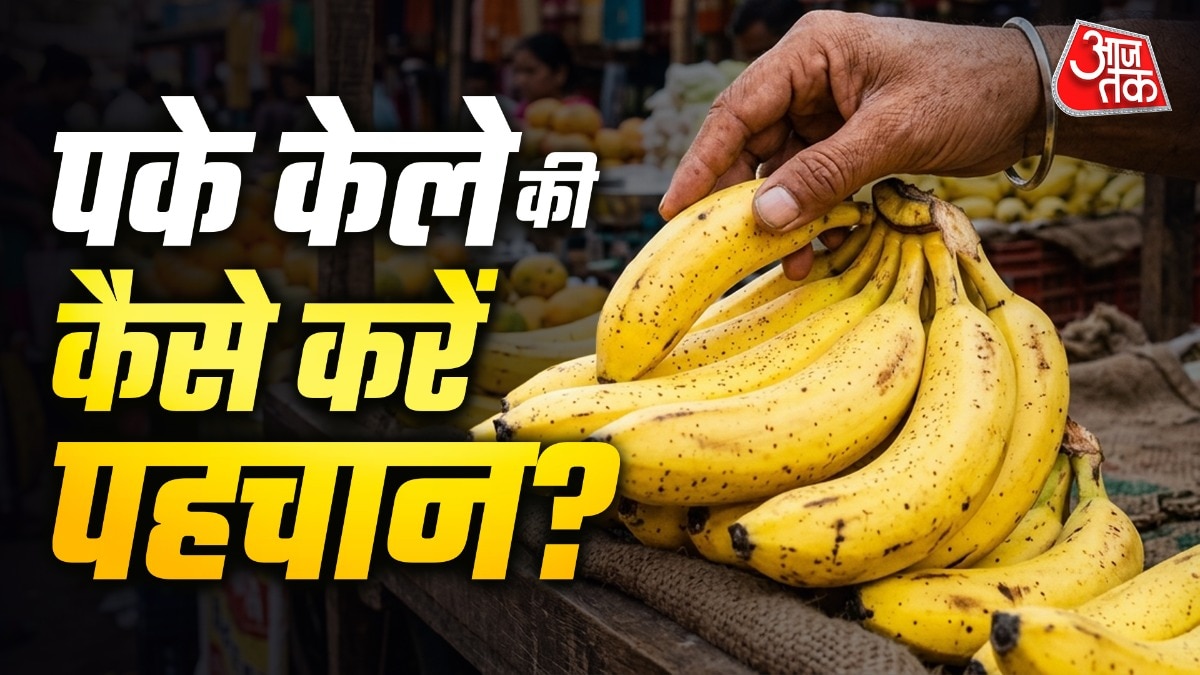
Many consumers are disappointed when the bananas they purchase turn out to be unripe and tasteless inside, despite their yellow peel. This article provides five straightforward methods to identify artificially ripened bananas, often treated with chemicals, and to select sweet, soft, and naturally ripened ones from the market. By following these tips, shoppers can ensure they are getting high-quality fruit. The advice aims to empower consumers to make informed choices and avoid the common pitfall of being deceived by the appearance of bananas. These techniques are designed to be easily applied during the purchasing process, helping to guarantee satisfaction with the final product. The goal is to help people consistently find delicious and perfectly ripe bananas.
The proliferation of artificially ripened produce highlights a market dynamic where speed and appearance can sometimes supersede natural quality. Consumers face challenges in discerning natural ripeness from chemical acceleration, indicating a need for greater transparency in food supply chains. This situation underscores the importance of consumer education and potentially regulatory oversight to ensure fair trade practices and product integrity. As technology advances, methods for authenticating natural processes in food production may become increasingly critical for consumer trust and market fairness.
AI-generated to prompt reflection — not editorial opinion, not advice, not a statement of fact. How this works.