50 Years Ago: East Germany's Unloved Olympic Football Gold
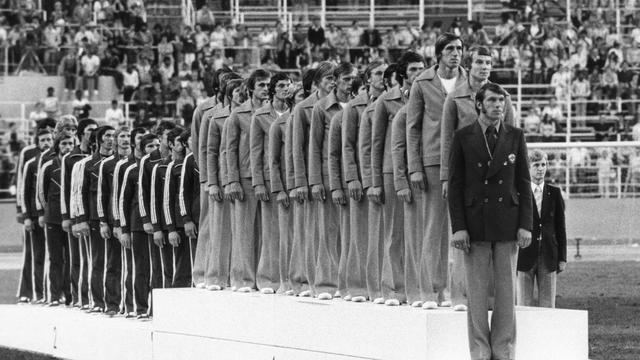
On July 31, 1976, the East German (GDR) men's football team won the Olympic gold medal at the Montreal Games. Despite this significant sporting achievement, the victory remains largely uncelebrated and somewhat unloved within Germany. The team, coached by Georg Buschner, defeated Poland 3-1 in the final. This triumph was part of a broader success for East German sports, which were heavily state-sponsored and utilized to project an image of socialist superiority internationally. However, the context of the Cold War and the GDR's isolation meant that such victories were viewed differently in the West and even within a reunified Germany. The legacy of state-sponsored doping and the political division of Germany cast a shadow over many of the GDR's sporting achievements. Fifty years later, the gold medal represents a complex historical moment, highlighting both athletic prowess and the problematic realities of sport within an authoritarian regime. The story serves as a reminder of how political systems can shape the perception and legacy of even celebrated athletic accomplishments.
The 50th anniversary of the GDR's Olympic football gold medal offers a lens into the complex interplay between sport, politics, and national identity. State-sponsored athletic programs, while capable of producing significant achievements, often operate with incentives that prioritize national prestige over athlete welfare or fair play. The 'unloved' nature of this victory in post-reunification Germany likely stems from the broader reckoning with the GDR's authoritarian past, including its pervasive doping programs and the political division it represented. Looking forward, such historical events prompt reflection on how current national sports systems are funded and governed, and the potential for similar, albeit different, systemic pressures to influence outcomes and legacies in the coming decades. Understanding these dynamics is crucial for fostering a more transparent and equitable future for international sport.
AI-generated to prompt reflection — not editorial opinion, not advice, not a statement of fact. How this works.