50 Years Later: A Mother's Story of Loss from the 1970s' Deadliest Bombing
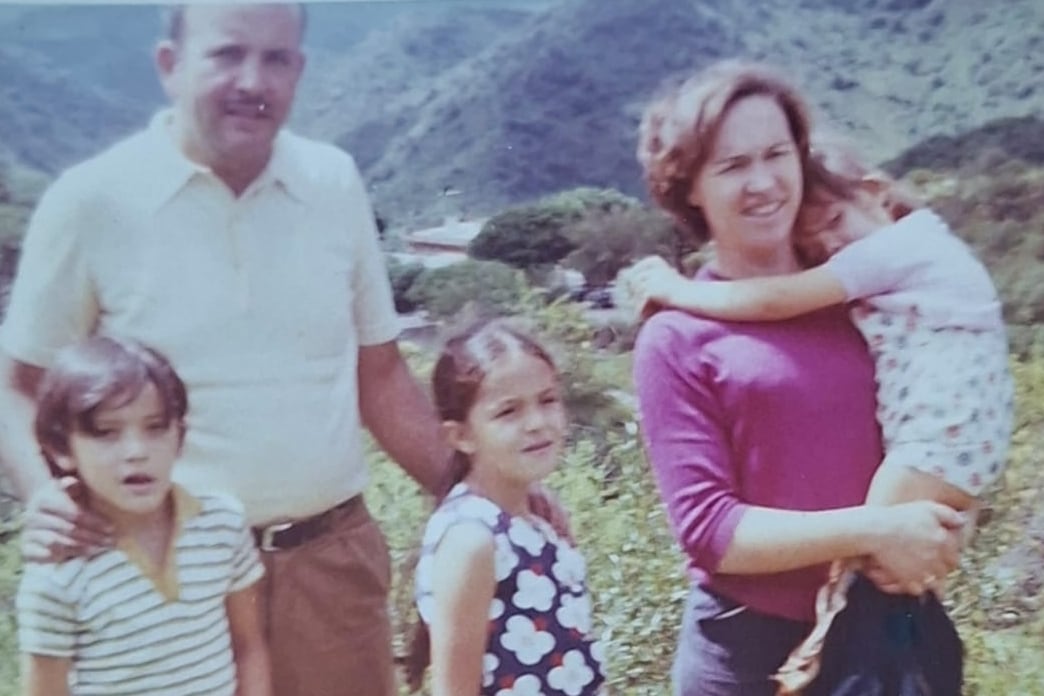
Fifty years have passed since one of the deadliest bombings of the 1970s, an event that irrevocably altered the life of María Alejandra Cepeda. Her mother, Josefina, was a victim of the attack on a police dining hall, and never returned home that day. Cepeda now shares the poignant story of how a seemingly insignificant favor led to her mother's presence at the site of the bombing. This event marked a profound turning point, forever dividing her family's life into a before and after. The bombing remains one of the most devastating attacks of its era, leaving a lasting scar on the lives of those affected.
The enduring impact of the 1970s bombing highlights the long-term societal consequences of political violence. Fifty years on, the personal narrative underscores the human cost of such events, transcending mere statistics. This tragedy serves as a stark reminder of the vulnerabilities inherent in public spaces and the critical need for robust security measures. Examining the systemic factors that contributed to the conflict and the security failures that allowed the attack to occur is crucial for preventing future atrocities. Understanding the motivations behind such acts and the political climate of the era can offer insights into preventing radicalization and fostering more stable societies in the future.
AI-generated to prompt reflection — not editorial opinion, not advice, not a statement of fact. How this works.