50 Years On, Barcelona Assembly Faces Challenges to Post-WWII Democratic Consensus
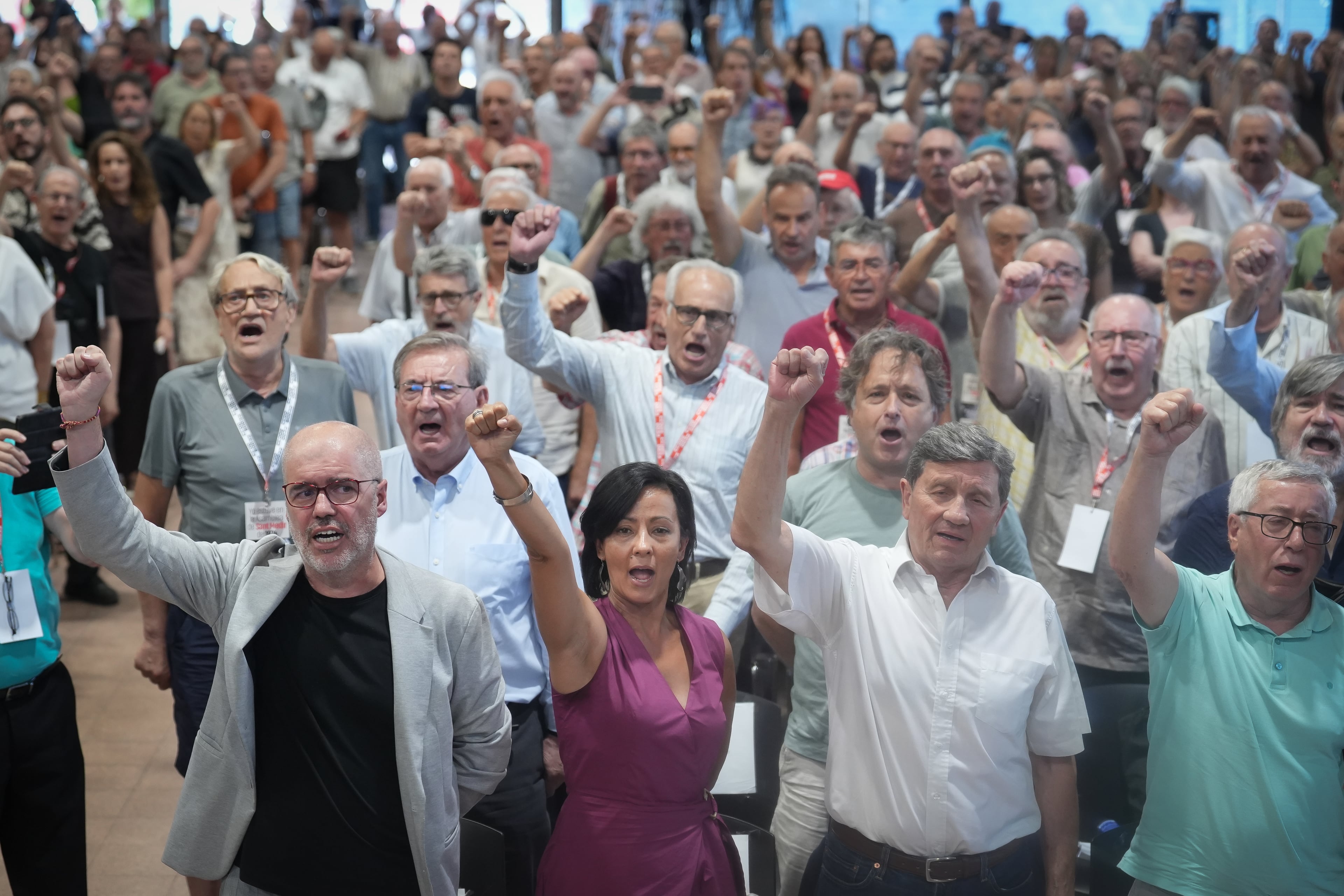
Fifty years after the Barcelona Assembly of the Comisiones Obreras (CCOO) trade union, the organization is witnessing an offensive against the foundational consensuses of post-World War II democracies. This period has seen significant shifts in the political and social landscape, impacting the very principles upon which many modern democracies were built. The assembly's legacy is being re-examined in light of contemporary challenges that question established democratic norms and structures. The CCOO, a prominent Spanish trade union, has historically played a crucial role in labor rights and social movements. Its foundational assembly in Barcelona marked a significant moment in the country's labor history. However, the current climate suggests that the principles established then are facing unprecedented pressure. This situation highlights a broader global trend where established democratic institutions and their underlying agreements are being scrutinized and contested. The nature of this "offensive" is not detailed, but it implies a concerted effort to undermine or overturn long-held democratic tenets. The implications for future democratic governance and social cohesion remain a significant concern.
The current challenges to post-World War II democratic consensus, as observed fifty years after the Barcelona Assembly of CCOO, suggest a critical juncture for established governance models. This period may reflect broader societal shifts driven by technological advancements, economic restructuring, and evolving geopolitical dynamics, all of which can strain traditional democratic frameworks. The "offensive" against foundational consensuses points to a potential re-evaluation of the social contract and the distribution of power and resources within democratic states. Examining the underlying incentives and systemic pressures that lead to such challenges is crucial for understanding the future trajectory of democratic institutions. This includes analyzing how globalization, digital transformation, and demographic changes interact with existing political structures, potentially creating internal contradictions that require novel approaches to governance and public participation in the coming decade.
AI-generated to prompt reflection — not editorial opinion, not advice, not a statement of fact. How this works.