500,000-year-old elephant bone hammer highlights early human ingenuity
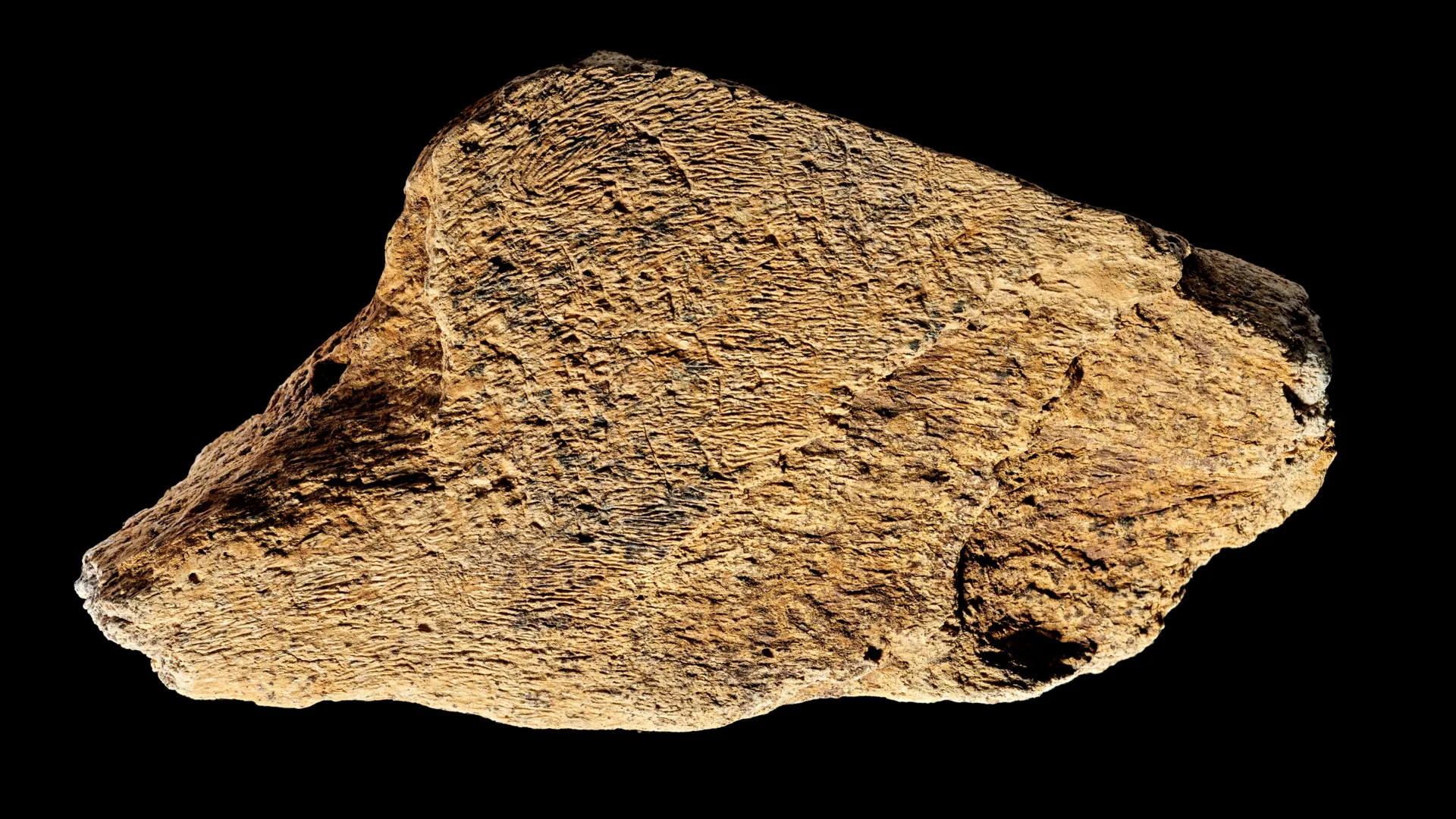
A remarkable discovery in England has revealed an elephant bone hammer, estimated to be nearly 500,000 years old. This artifact was used by early humans to sharpen stone tools, demonstrating a sophisticated level of craftsmanship and resourcefulness. The find suggests that ancient toolmakers possessed advanced planning capabilities and were adept at utilizing available materials. This rare piece of evidence provides significant insight into the technological prowess and cognitive abilities of early hominins during the Lower Paleolithic period. The hammer's design indicates a deep understanding of material properties and a practical approach to tool production. Its preservation offers a tangible link to the daily lives and innovative practices of our distant ancestors.
This discovery underscores the long-standing human capacity for innovation and complex tool use, challenging previous assumptions about the cognitive limits of early hominins. The deliberate crafting of a reusable tool from bone, rather than simply using found objects, suggests a level of foresight and understanding of material science that is particularly noteworthy for the period. Examining such artifacts allows us to trace the evolutionary trajectory of problem-solving and technological development, providing a foundation for understanding future advancements. The find prompts reflection on how environmental pressures and resource availability have historically driven human ingenuity and adaptation.
AI-generated to prompt reflection — not editorial opinion, not advice, not a statement of fact. How this works.