51 Projects Identified as 'Sick' Under Urban Development Ministry
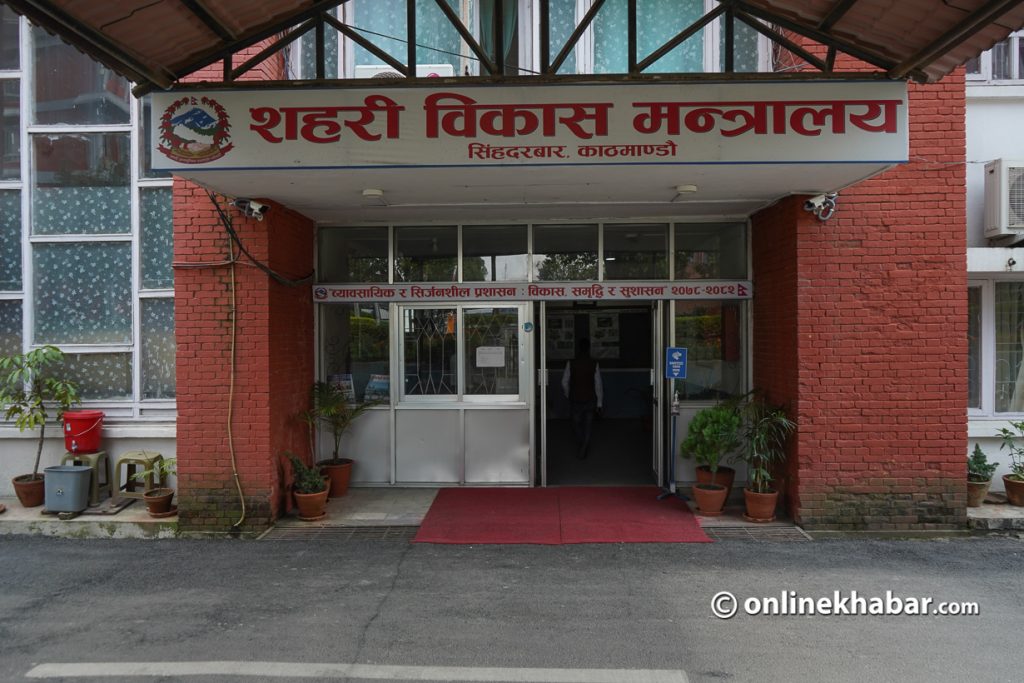
The Nepali government has identified 51 projects under the former Ministry of Urban Development as 'sick' or stalled. The Ministry of Physical Infrastructure and Transport compiled a report detailing these projects, including those with terminated contracts and those representing unproductive investments. The objective of this study was to find solutions for these problematic projects. The findings and recommendations from this report have now been forwarded to the relevant departments and offices for implementation. This initiative aims to address long-standing issues with infrastructure development and ensure that public funds are utilized more effectively. The government is seeking to revive these stalled projects or provide closure where necessary, thereby improving the overall efficiency of infrastructure delivery in the country. Further details on the specific projects and the proposed solutions are expected as the implementation phase begins.
The identification of 51 'sick' projects within the urban development sector highlights systemic challenges in project planning, execution, and oversight. This situation likely stems from a combination of factors including inadequate feasibility studies, inefficient procurement processes, and potential issues with contractor performance or funding allocation. The government's move to compile a report and forward recommendations suggests an attempt to address these bottlenecks. Moving forward, a critical examination of the governance structures and contractual frameworks governing public infrastructure projects is warranted. This could involve implementing more robust risk assessment protocols, enhancing transparency in bidding and contract management, and establishing clearer accountability mechanisms for project delays and failures. The focus should be on creating a more resilient and efficient system that can deliver tangible development outcomes over the next decade, particularly as urban populations grow and infrastructure demands increase.
AI-generated to prompt reflection — not editorial opinion, not advice, not a statement of fact. How this works.