52% Diagnostic Machines Missing in Government Hospitals, Study Finds
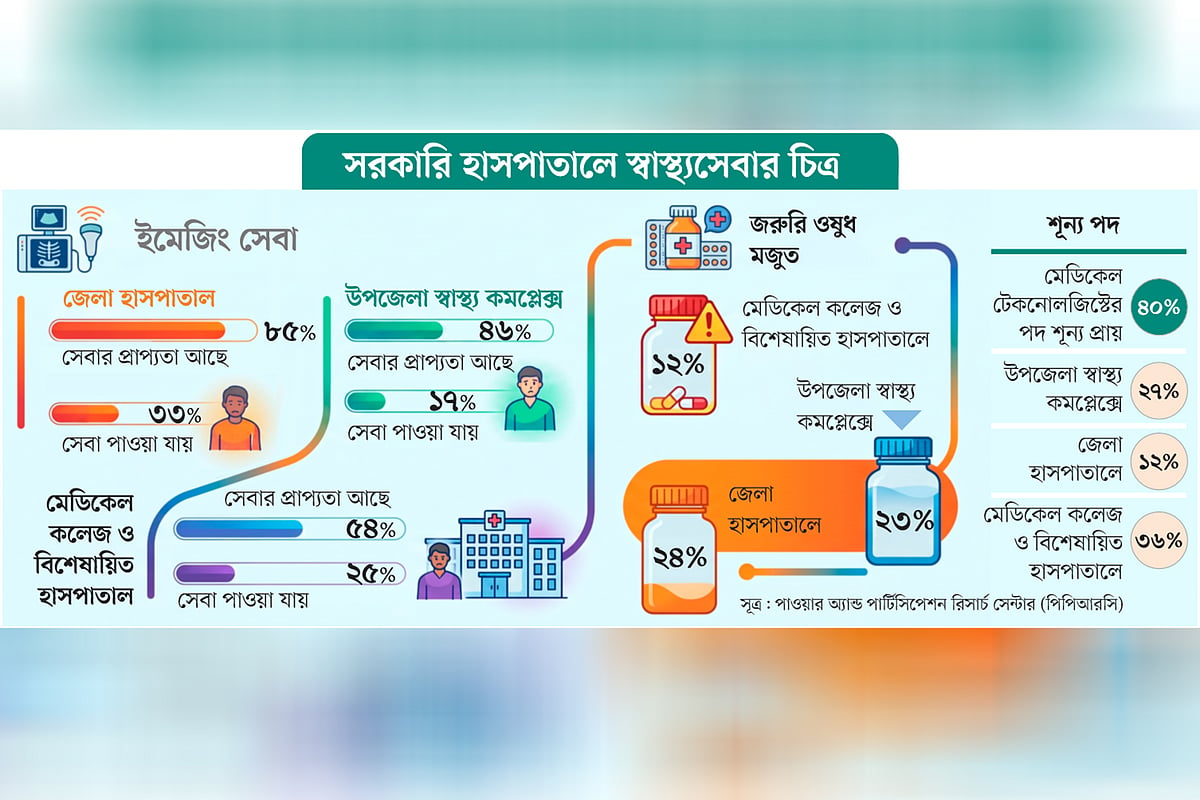
A study conducted by the Public-Private Partnership for the Public Sector (PPRC) revealed a significant deficit in diagnostic equipment within government hospitals. The research, commissioned by the Health Economics Unit, aimed to assess the effectiveness of resource allocation in the health sector. Findings indicate that a staggering 52% of diagnostic machines are unavailable in these public healthcare facilities. This lack of essential equipment can severely hamper the ability of hospitals to provide accurate and timely diagnoses to patients. The study highlights potential inefficiencies or challenges in the procurement, distribution, or maintenance of medical equipment. Such deficiencies raise concerns about the quality of care and patient outcomes in government-run hospitals. Further investigation is likely needed to understand the root causes of these shortages and to implement corrective measures. The effective utilization of the health sector budget is a critical factor in ensuring accessible and quality healthcare for all citizens.
The reported 52% absence of diagnostic machines in government hospitals points to a critical gap in healthcare infrastructure. This deficiency likely stems from systemic issues in procurement, supply chain management, or maintenance protocols, rather than isolated incidents. From a public health perspective, such shortages directly impact diagnostic accuracy and treatment timelines, potentially leading to poorer patient outcomes and increased healthcare costs in the long run. Examining the incentive structures for equipment maintenance and the accountability frameworks for resource deployment could reveal pathways to improve service delivery. Looking ahead, the integration of advanced diagnostic technologies will require robust infrastructure and skilled personnel, making the current state of basic equipment availability a significant hurdle.
AI-generated to prompt reflection — not editorial opinion, not advice, not a statement of fact. How this works.