55% of Schools Lack Head Teachers Amid Teacher Shortages
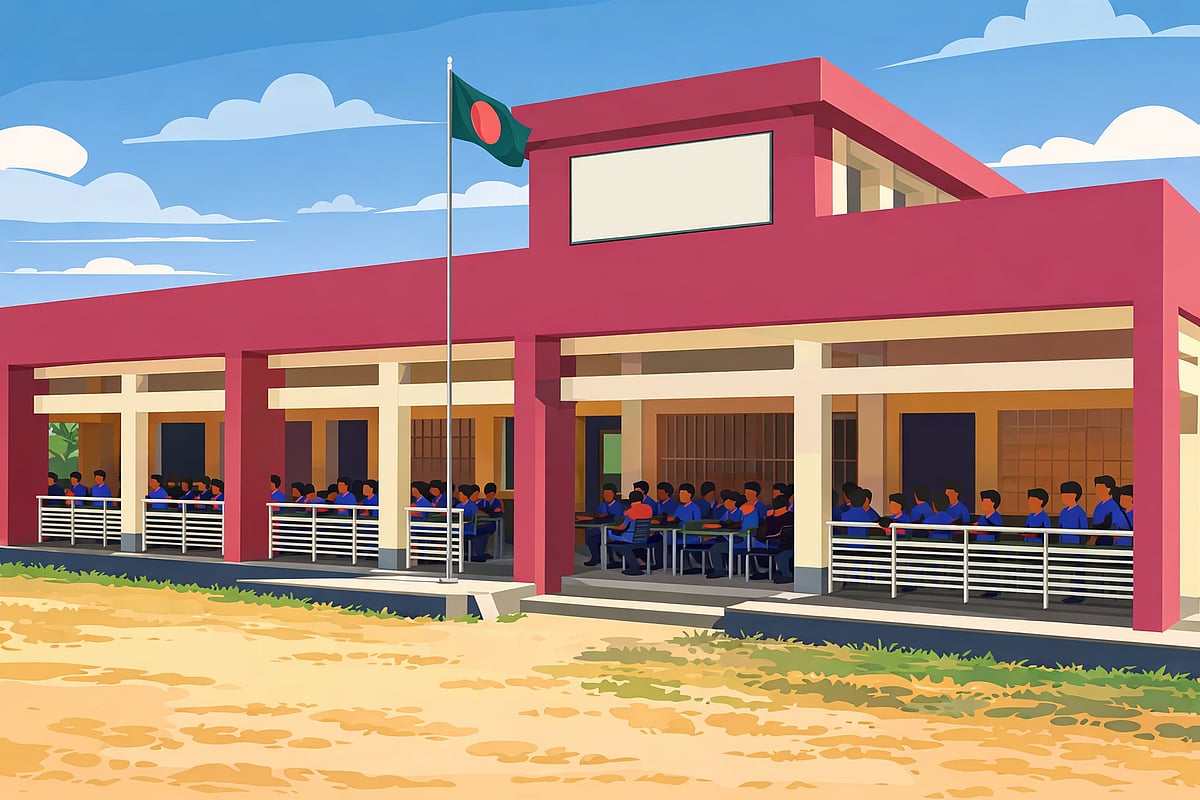
A significant portion of schools in Bangladesh are facing a severe leadership and staffing crisis, with 55% of educational institutions reportedly lacking a head teacher. This situation is compounded by a general shortage of teachers, impacting the quality of education. The government's focus over the past fifteen years has primarily been on nationalizing schools and constructing buildings, often at the expense of pedagogical quality. Experts now emphasize the urgent need to shift attention towards improving the standard of teaching and learning. This strategic reorientation is seen as crucial for enhancing the overall educational outcomes for students. The current infrastructure development, while important, has not been matched by sufficient investment in human resources and teaching methodologies. Addressing the deficit in leadership and teaching staff is paramount to ensuring that schools can effectively deliver quality education.
The reported teacher and head teacher deficit in Bangladeshi schools highlights a potential misalignment between infrastructure development and educational quality enhancement strategies. Over fifteen years, the emphasis on nationalization and building construction may have inadvertently deprioritized critical investments in human capital and pedagogical innovation. Moving forward, a balanced approach is required, integrating robust teacher training, competitive compensation, and effective leadership development programs. This strategic recalibration is essential to foster an environment where educational institutions can meet evolving societal needs and prepare students for future challenges, particularly within the context of an increasingly digital and AI-driven world. The long-term sustainability of educational gains hinges on addressing these systemic human resource gaps.
AI-generated to prompt reflection — not editorial opinion, not advice, not a statement of fact. How this works.