59 Children, 27 Under 6, Live on Belo Horizonte Streets: Study
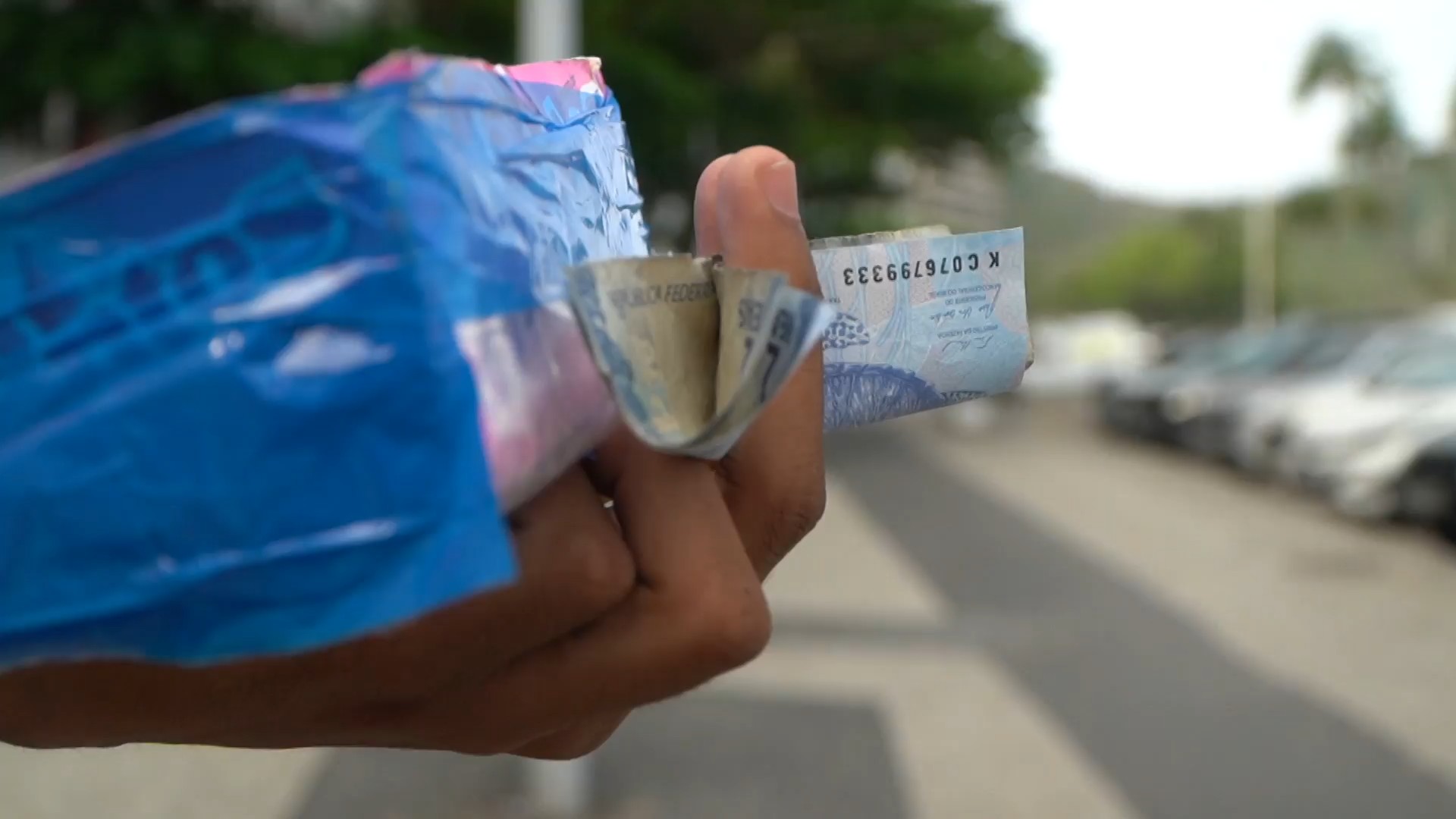
A recent study reveals that 59 children and adolescents are currently living on the streets of Belo Horizonte, Brazil. Alarmingly, 27 of these individuals are under the age of six, a critical period for human development. This research was conducted by the Brazilian Observatory of Public Policies for the Homeless Population, affiliated with UFMG, in collaboration with the National Network Child is Not Homeless. The findings highlight the extreme vulnerability of young children in this situation, exposing them to violence, insecurity, child labor, and a severe lack of access to basic rights such as healthcare, education, and family life.
The study was released on the 33rd anniversary of the Candelária Massacre, a tragic event in 1993 where eight homeless children and adolescents were murdered in Rio de Janeiro. This anniversary serves as a stark reminder of the ongoing violence against vulnerable children in Brazil, with researchers noting that over three decades later, the country still struggles to provide adequate protection. The report also includes the story of an 18-year-old from Belo Horizonte who experienced homelessness from age 10, resorting to drugs and prostitution before finding support through social services and a local center.
Specialists emphasize that while shelters like Centro Pop Miguilim, which offers meals and socio-educational activities to vulnerable youth up to 17 years old, are vital, they are not a complete solution. Experts, including André Luiz Freitas from UFMG, advocate for integrated public policies addressing housing, education, health, social assistance, and family support to ensure children can leave street life permanently, ideally with their families.
This study underscores a persistent societal failure to protect its most vulnerable citizens, particularly children in their formative years. The data indicates that despite awareness campaigns and the symbolic weight of events like the Candelária Massacre, systemic issues continue to perpetuate child homelessness. The reliance on temporary shelters, while necessary, points to a gap in upstream, structural interventions such as affordable housing, robust family support programs, and early childhood development initiatives. The long-term consequences for individuals and society, including increased risks of exploitation, substance abuse, and limited future opportunities, necessitate a re-evaluation of public policy priorities and resource allocation. Addressing this challenge requires a multi-faceted approach that moves beyond immediate relief to sustainable solutions that strengthen families and communities, ensuring that the critical window of early childhood development is not lost to the streets.
AI-generated to prompt reflection — not editorial opinion, not advice, not a statement of fact. How this works.