6,000-year-old Syrian infant remains show signs of potential child abuse
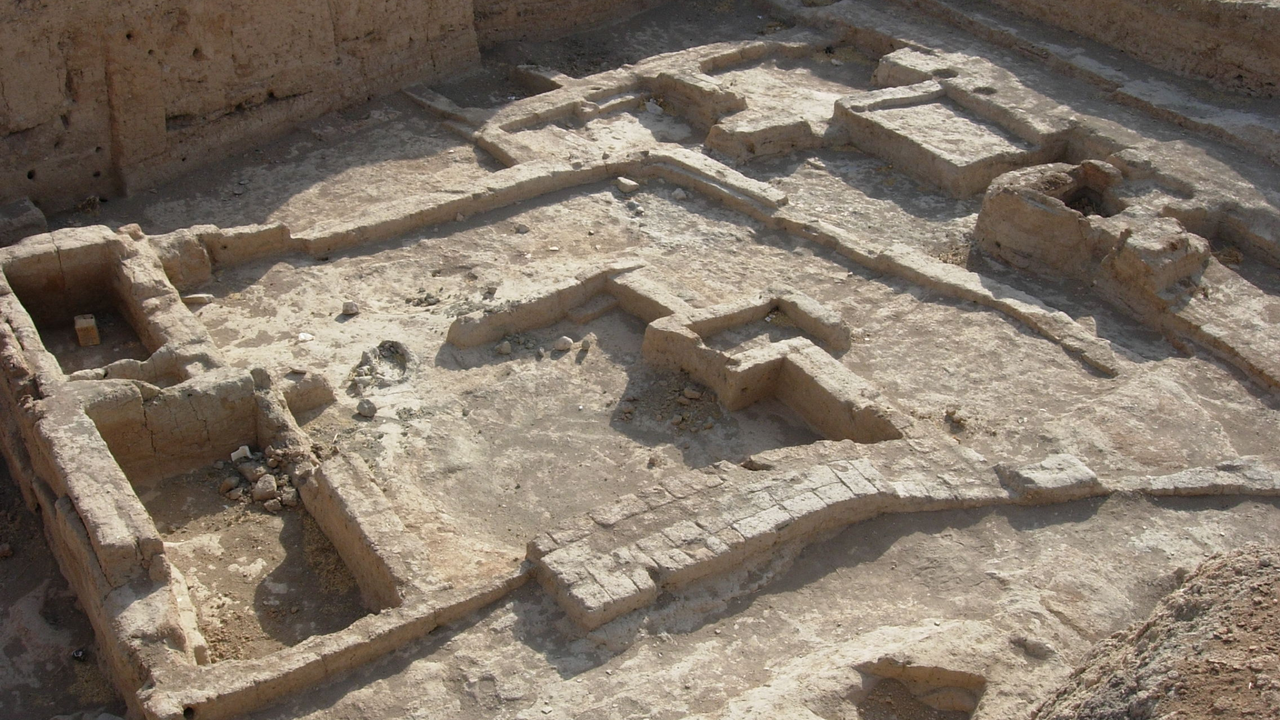
Skeletal remains discovered in Mesopotamia, dating back approximately 6,000 years, suggest a potential case of child abuse. The infant's remains exhibit severe injuries, which researchers believe may represent the earliest documented instance of child abuse in the Middle East. This discovery offers a rare glimpse into the lives and potential hardships faced by infants in ancient Mesopotamian society. The findings underscore the long history of violence and vulnerability that can affect the youngest members of human populations. Further analysis of the remains could provide more context regarding the circumstances surrounding these injuries. The site of the discovery is significant for understanding early human settlements and social structures in the region.
This archaeological finding prompts reflection on the enduring presence of interpersonal violence across millennia. While the interpretation of ancient trauma can be complex, the potential identification of child abuse highlights the need for careful consideration of societal dynamics and power imbalances even in early human history. Examining such cases through the lens of public health and social welfare can offer insights into the long-term evolution of protective mechanisms for vulnerable populations. Future research should focus on corroborating evidence and understanding the broader context of infant care and mortality in ancient Mesopotamia, avoiding anachronistic judgments while acknowledging the potential for historical patterns of harm.
AI-generated to prompt reflection — not editorial opinion, not advice, not a statement of fact. How this works.