6-Year-Old Boy Filmed Illegal Dumping, Highlighting Community Litter Problem in São Carlos, SP
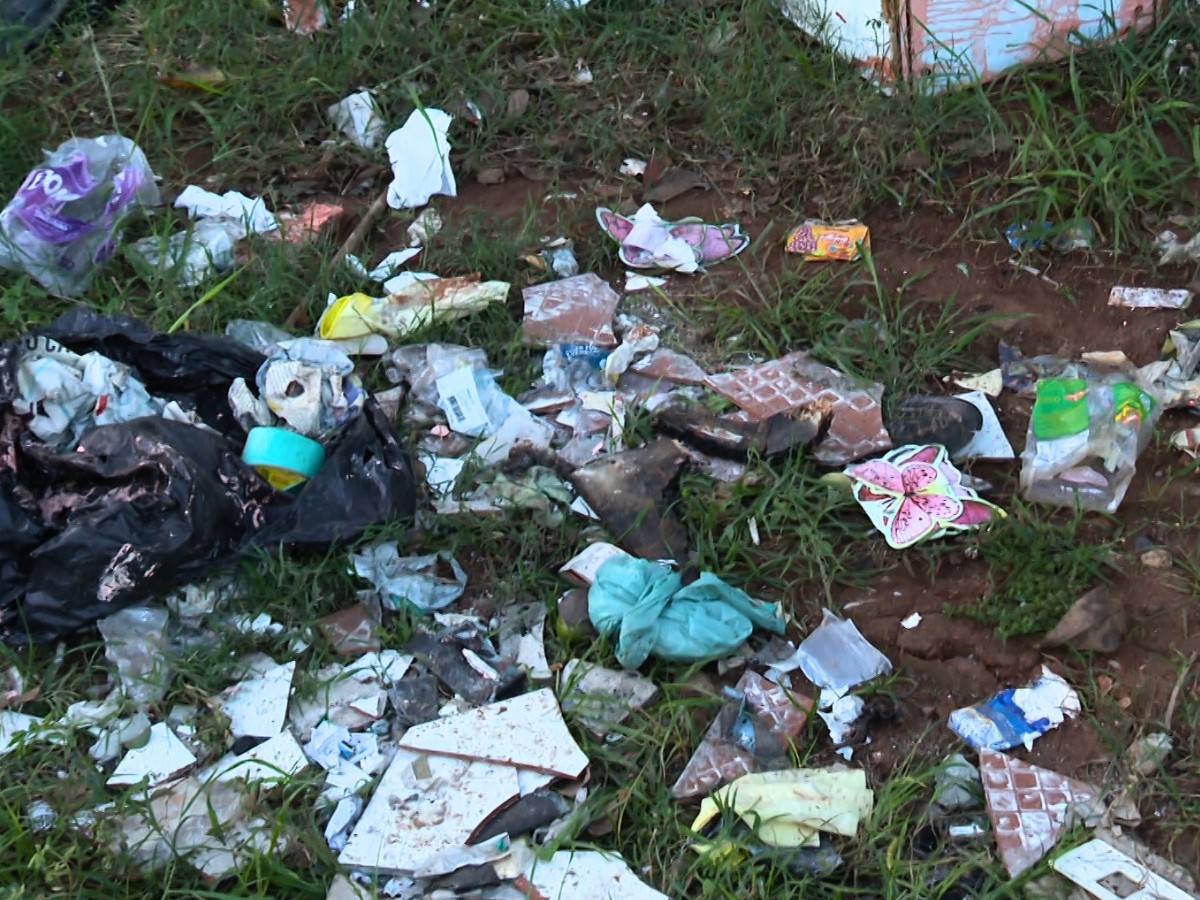
A 6-year-old boy named Vicenzo Salla has drawn attention after filming a video of excessive, illegally dumped trash in his São Carlos, São Paulo neighborhood. During a bicycle ride, Vicenzo expressed his dismay, stating, "It's horrible here," as he documented the widespread litter. The footage revealed discarded furniture, styrofoam, tiles, gloves, and even intimate apparel on Rua Luiz Lázaro Zamenhof, between the Vila Brasília and Jardim São João Batista neighborhoods. Vicenzo's father, Marcos Antônio Salla, expressed surprise at his son's keen observation, noting how adults can become desensitized to such neglect. The local prefecture acknowledged the recurring issue, stating that despite regular cleaning efforts, the area quickly becomes re-littered within a week. The site, marked with 'no dumping' signs, is also reportedly used for burning trash, posing further environmental hazards. Vicenzo compared obeying local rules to obeying a teacher, emphasizing the importance of following regulations. His father lamented the difficulty in explaining such a lack of environmental awareness and civic responsibility to his son.
This incident highlights a persistent challenge in urban environmental management: the gap between municipal cleaning services and public adherence to waste disposal regulations. The child's initiative serves as a potent, albeit unintentional, critique of community engagement and environmental education efforts. While the prefecture's response indicates a cycle of cleanup and re-contamination, it underscores the need for more sustainable solutions beyond reactive cleaning. Future strategies might explore community-led waste management initiatives, enhanced public awareness campaigns focusing on the long-term consequences of illegal dumping, and potentially technological solutions for monitoring and enforcement. The situation also raises questions about the effectiveness of current regulatory frameworks in deterring persistent offenders and fostering a culture of environmental stewardship, particularly in the face of ingrained habits and potential socioeconomic factors contributing to the problem.
AI-generated to prompt reflection — not editorial opinion, not advice, not a statement of fact. How this works.