64 Deportees from Libya Convicted in Pakistan for Illegal Border Crossing
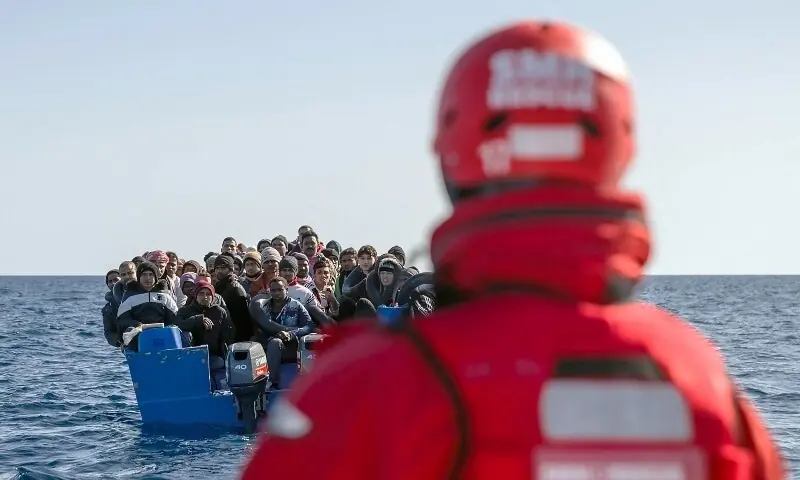
In Pakistan's Punjab province, at least 64 individuals deported from Libya have been convicted by local courts following summary trials. These deportees, primarily from the Gujranwala region, faced charges lodged by the Federal Investigation Agency (FIA) for illegally crossing international borders. Courts in Gujranwala, Gujrat, and Sialkot districts sentenced them to an average of 10-15 days imprisonment, which was considered served during their judicial custody. Additionally, fines ranging from Rs25,000 to Rs50,000 were imposed, and upon payment, the individuals were released. The FIA had apprehended approximately 200 illegal Pakistani immigrants in Libya attempting to reach Italy, who were later repatriated to Pakistan by the International Organisation for Migration (IOM) about a month prior. Of these, 90 were from the Gujranwala region, leading to the cases filed by the FIA. The trial for an additional 26 deportees is ongoing. The FIA has placed the convicted individuals on a passport control list, restricting their foreign travel for at least five years. This action is part of a broader FIA initiative to combat human trafficking and illegal immigration, which has seen a significant increase in convictions over the past six months in the region. Interior Minister Mohsin Naqvi has also engaged in discussions with international counterparts to address illegal immigration.
The conviction of 64 deportees from Libya highlights the Pakistani government's intensified efforts to deter illegal immigration and human trafficking, particularly from regions known for such networks. The use of summary trials and immediate release after fines and short detentions suggests a strategy focused on swift processing rather than lengthy incarceration, potentially aiming to manage caseloads while signaling deterrence. Placing individuals on passport control lists imposes a significant long-term consequence, impacting future opportunities for international travel. This approach reflects a systemic response to a complex issue driven by economic pressures and organized crime, with implications for both national security and international relations. The FIA's increased operational presence and conviction rates indicate a policy shift, but the long-term effectiveness will depend on addressing the root causes of illegal migration and dismantling the trafficking networks themselves.
AI-generated to prompt reflection — not editorial opinion, not advice, not a statement of fact. How this works.