64-year-old with Parkinson's fulfills lifelong dream of seeing the ocean
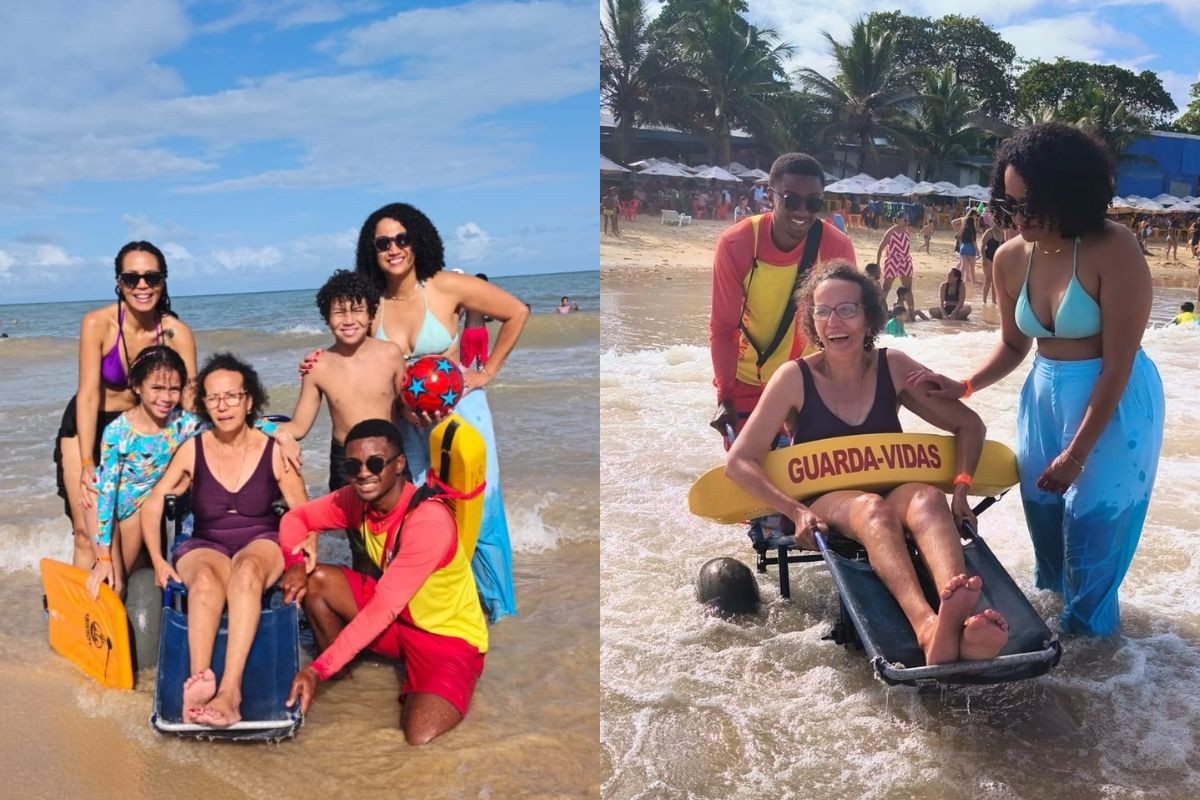
Arilda Gonzaga de Assis, a 64-year-old woman diagnosed with Parkinson's disease, recently achieved two long-held dreams: flying on an airplane and experiencing the sea. Despite her reduced mobility, Arilda, with the support of her daughters and an amphibious wheelchair provided by firefighters, was able to fulfill her lifelong aspiration. The amphibious chair, equipped with large, air-filled tires, is designed to allow individuals with disabilities or mobility issues to safely enter and enjoy the ocean. This heartwarming experience was captured on video, deeply moving her family. Her daughters viewed the trip as an opportunity to reciprocate the care Arilda had provided throughout their lives, demonstrating that physical limitations do not have to hinder the pursuit of dreams. The journey required careful planning and encouragement, as Arilda initially hesitated due to her physical condition. Her family revealed the trip only weeks before departure to manage her anxiety, emphasizing the need to act while time permits. On the beach, firefighters facilitated Arilda's sea bath using the specialized amphibious chair, highlighting the transformative power of accessibility. Arilda described the experience as a personal triumph over her fear of the sea and travel, expressing immense joy and encouraging others to seize similar opportunities. Upon returning home, Arilda's positive reaction indicated the trip's profound impact, with her already expressing readiness for a new adventure.
This narrative highlights the profound impact of accessible tourism and familial support in enabling individuals with chronic health conditions to achieve personal milestones. The provision of specialized equipment like the amphibious wheelchair demonstrates the critical role of infrastructure in fostering inclusivity and enhancing quality of life. From a systemic perspective, such initiatives underscore the societal benefit of investing in accessibility, which not only empowers individuals but also strengthens community bonds through shared experiences. Looking ahead, the increasing prevalence of neurodegenerative diseases and an aging global population will necessitate broader adoption of adaptive technologies and services, ensuring that physical limitations do not preclude participation in life's significant moments.
AI-generated to prompt reflection — not editorial opinion, not advice, not a statement of fact. How this works.