65-Year-Old Woman Suffers Femur Fracture After Falling on Public Bus in Ribeirão Preto
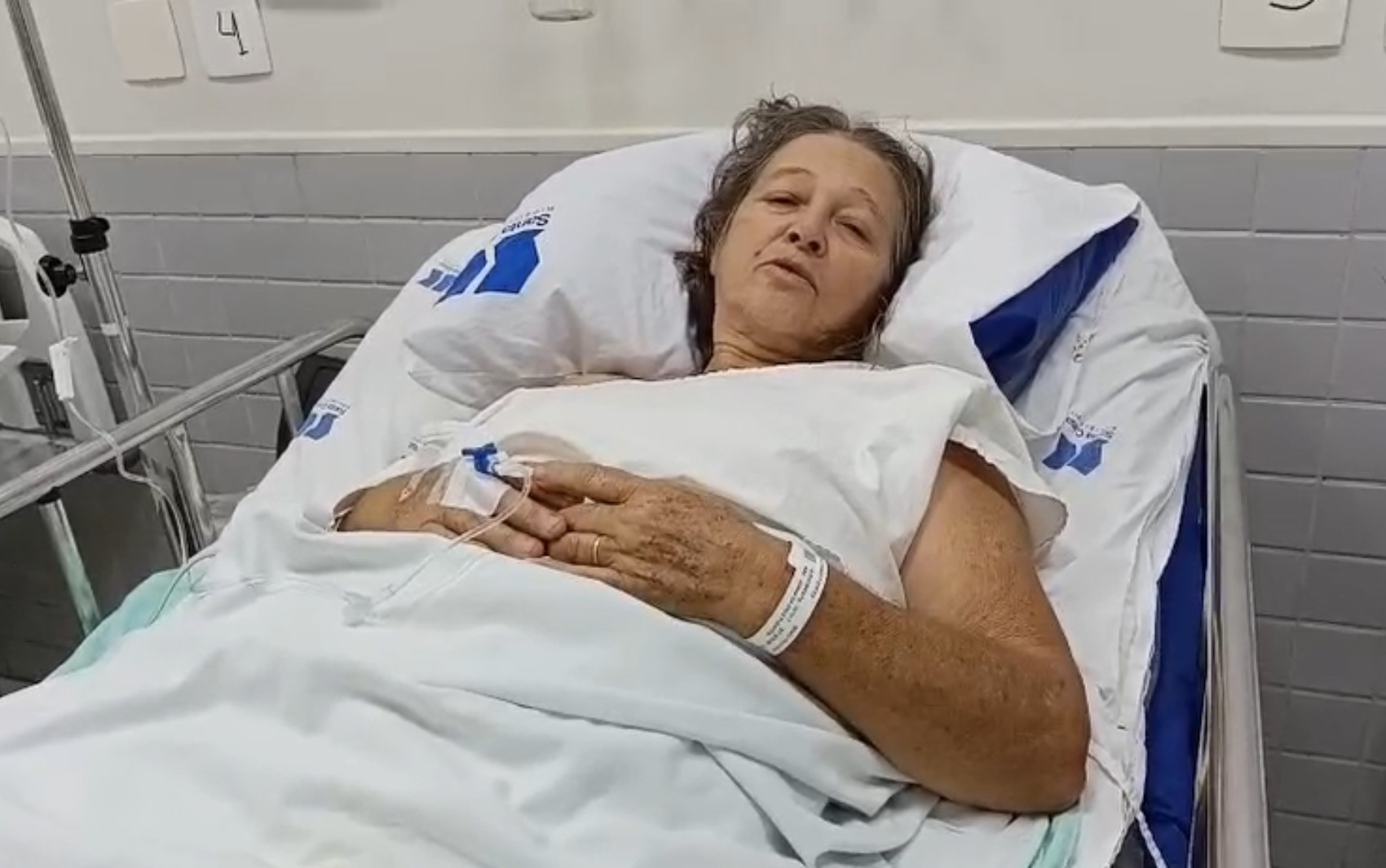
A 65-year-old woman, Maria do Carmo Fuentes, sustained a fractured femur after falling inside a public transport bus in Ribeirão Preto, São Paulo. The incident occurred on Wednesday, October 8th, around 4:30 PM, shortly after she passed the fare gate. Fuentes stated that the bus driver accelerated suddenly, causing her to lose her balance and fall heavily. She reported sustaining a head injury and the femur fracture, requiring immediate medical attention. The bus involved operates on the 507 Planalto Verde line, and Fuentes had boarded it on Dom Pedro I Avenue. She was initially attended by the Mobile Emergency Care Service (Samu) and taken to an Urgent Care Unit (UPA). Due to the severity of her injuries, she was subsequently transferred to the Santa Casa de Ribeirão Preto, where she remains hospitalized awaiting surgery. The Pró-Urbano Consortium, responsible for the city's public transport, confirmed the accident but denied any sudden braking or jolting. The consortium stated they reviewed internal security camera footage, which they claim shows Fuentes falling as she attempted to find support after the fare gate, rather than due to a sudden vehicle movement. The hospital is currently investigating the details of the case.
This incident highlights the critical importance of passenger safety protocols within public transportation systems. The discrepancy between the passenger's account of sudden acceleration and the transport consortium's claim of no abrupt movement, based on camera footage, points to potential challenges in verifying accident causes. Future considerations for transit operators should include enhanced driver training on smooth acceleration and braking, particularly when passengers are navigating fare gates. Additionally, exploring technological solutions for automatic passenger support systems or improved internal camera coverage could offer clearer evidence in disputed incidents, fostering greater accountability and passenger confidence. The case underscores the need for robust systems that prioritize passenger well-being and provide clear mechanisms for incident resolution.
AI-generated to prompt reflection — not editorial opinion, not advice, not a statement of fact. How this works.