67-Year-Old Man Receives Sole Heart Transplant on SUS Waiting List in Rio Grande do Norte
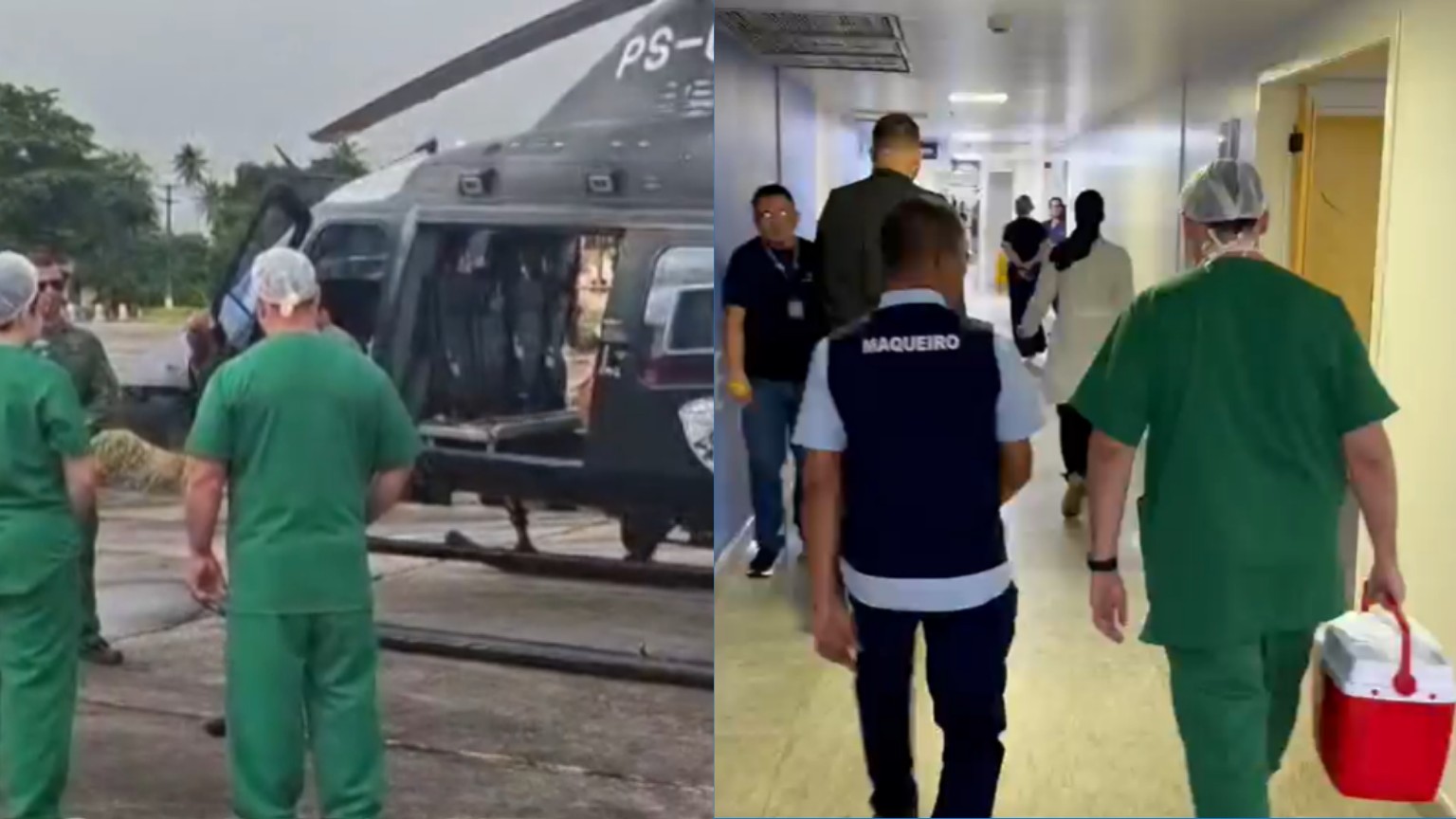
A 67-year-old man, the only individual on the public health system (SUS) waiting list for a heart transplant in Rio Grande do Norte, received a new heart in Natal on Thursday, May 16th. The donor heart was transported from Mossoró to Natal via a helicopter from the state's Public Security Secretariat. Upon arrival at the Military Police Headquarters in Natal, the organ was escorted by traffic agents to Hospital Rio Grande, where the recipient was already prepared in the operating room. This complex logistical operation involved a task force comprising the state's Transplant Center, healthcare professionals, public safety aviation, and traffic authorities. The donor was a 27-year-old man who had been hospitalized in Mossoró since July following a motorcycle accident that resulted in a traumatic brain injury. With his family's consent, his heart, liver, two kidneys, and two corneas were donated. An aircraft from Fortaleza assisted in the organ retrieval in Mossoró, specifically for the liver and kidneys, though only the liver was transported to Ceará. This marks the third organ and tissue donation from the Regional Hospital Tarcísio Maia this year and the first heart donation since before the pandemic, highlighting a significant effort in organ transplantation within the state.
This event highlights the critical role of coordinated public health infrastructure and inter-agency cooperation in facilitating life-saving organ transplants. The successful retrieval and transport of the heart underscore the effectiveness of the SUS system and its partners in overcoming logistical challenges. The operation's multi-organ donation aspect demonstrates a system capable of maximizing the benefit from a single donor, potentially impacting up to six lives. Looking ahead, the efficiency of such operations will be increasingly vital as demographic shifts and advancements in medical technology place greater demands on organ donation and transplantation services. Continued investment in logistics, public awareness campaigns, and donor family support will be crucial for meeting future needs.
AI-generated to prompt reflection — not editorial opinion, not advice, not a statement of fact. How this works.