7-Month-Old Infant Returned to 13-Year-Old Mother with Legal Aid Assistance
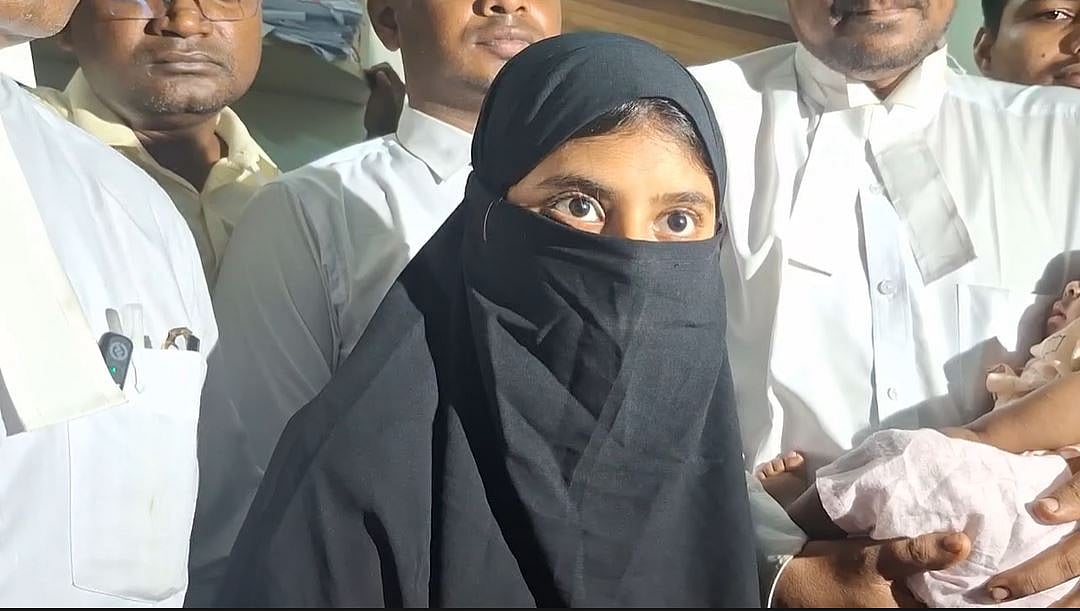
A 7-month-old infant has been reunited with its 13-year-old mother in Dhaka, Bangladesh, following mediation by the Dhaka District Legal Aid office. The child was legally placed in the mother's custody after a hearing on Tuesday. However, the teen mother has been advised to refrain from using social media platforms like Facebook and TikTok. The court has emphasized ensuring a normal and safe environment for the child. The permanent guardianship of the child remains under consideration by the relevant family court, as the father has filed an application, and a final decision will be made by that court. This case gained significant attention on social media due to the young mother's age and circumstances. The girl met the child's father, 22-year-old Md. Shakil Mia, through TikTok in 2025, and they began living together. Allegations suggest the girl was lured and married through a notary public after meeting on TikTok. She later gave birth to a daughter at Barisal Sher-e-Bangla Medical College Hospital and reportedly faced physical abuse from that point onward. The teenage mother filed a complaint with the Dhaka District Legal Aid office on May 20th seeking the return of her child. The child was recovered by police from the father's family on July 27th and returned to the mother on July 30th, with the hearing scheduled for Tuesday. During the hearing, the mother stated she was mistreated, lured away, deprived of food, and held captive, demanding justice against the father of her child. The girl's father, Jewel Khan, corroborated that Shakil did not marry his daughter legally and that they also abused her. The child's father was present at the hearing but did not speak.
This case highlights the complex intersection of child protection, adolescent rights, and the pervasive influence of social media. While the immediate return of the infant to its mother addresses a critical welfare need, the underlying issues of statutory rape, alleged coercion, and domestic abuse require thorough investigation by the family court. The legal aid's recommendation for the mother to avoid social media, while perhaps well-intentioned, may not address the root causes of her vulnerability or provide her with adequate support systems. Future interventions should focus on empowering young mothers with education, resources, and safe environments, rather than solely restricting access to platforms that may have facilitated initial contact. The long-term stability and well-being of the child will depend on the family court's ability to navigate these sensitive issues, ensuring both the mother's and child's rights are protected within a robust legal and social framework.
AI-generated to prompt reflection — not editorial opinion, not advice, not a statement of fact. How this works.
