7-Year-Old Boy Beats Cancer After Liver Transplant From Mother
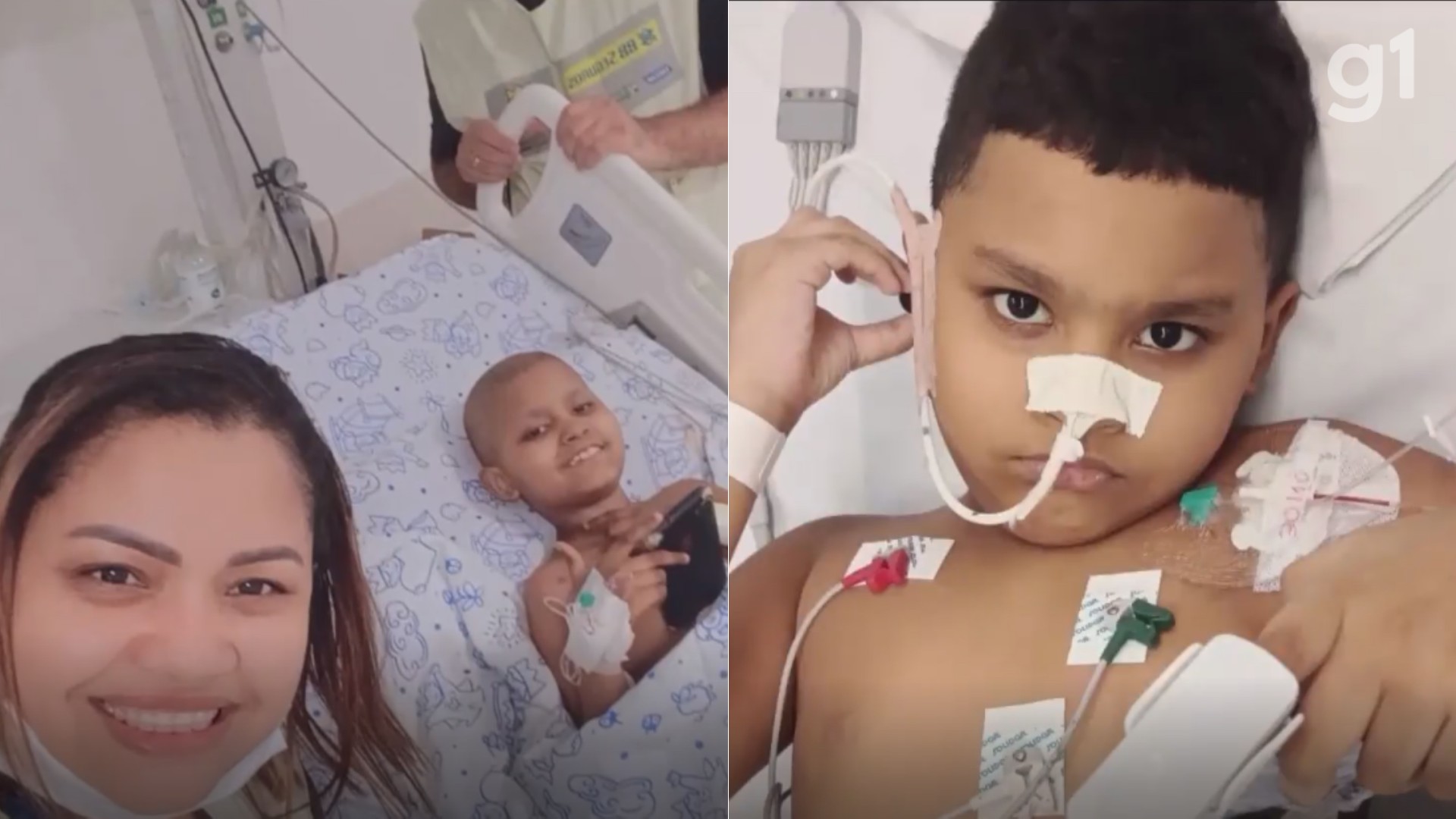
Vinícius Divino, a 7-year-old boy from Imperatriz, Maranhão, has successfully overcome cancer following a life-saving liver transplant. His mother, Edirlene Divino, donated a portion of her liver for the procedure. The family's journey began seven months ago when Vinícius initially showed signs of illness, with initial diagnoses pointing to a viral infection. However, a third medical evaluation in October of the previous year confirmed a rare and malignant liver tumor, hepatoblastoma.
Seeking specialized treatment, the family faced challenges finding appropriate care within Maranhão, leading them to transfer to Goiânia and subsequently to Curitiba for the transplant. During his treatment, Vinícius spent a month in the Intensive Care Unit (ICU) and suffered a stroke (AVC) that affected his heart and halted chemotherapy. Fortunately, medical staff were able to utilize biological material from a previous surgery, enabling the transplant with his mother's compatible liver donation. The surgery was successful, and Vinícius is expected to undergo medical follow-ups for the next five years.
After a total of seven months and twenty days from diagnosis to returning home, Vinícius was welcomed back to Imperatriz with celebrations, including a visit to his school. He is currently recovering at home with his family, including his brother, Inácio Divino, who expressed joy at his sibling's return and recovery.
This narrative highlights the critical role of familial support and medical innovation in overcoming severe childhood illness. The case underscores the complexities of rare disease treatment, particularly the geographical and infrastructural challenges that can arise in accessing specialized care. The successful outcome, enabled by a maternal donation and complex surgical intervention, points to the ongoing advancements in transplant medicine. However, it also implicitly raises questions about equitable access to such advanced treatments across different regions and socioeconomic strata. Future considerations may involve strengthening regional healthcare networks to reduce the need for extensive patient travel and ensuring timely access to specialized pediatric oncology and transplant services.
AI-generated to prompt reflection — not editorial opinion, not advice, not a statement of fact. How this works.