70 Students Return Home After Being Stranded at Afghanistan Border
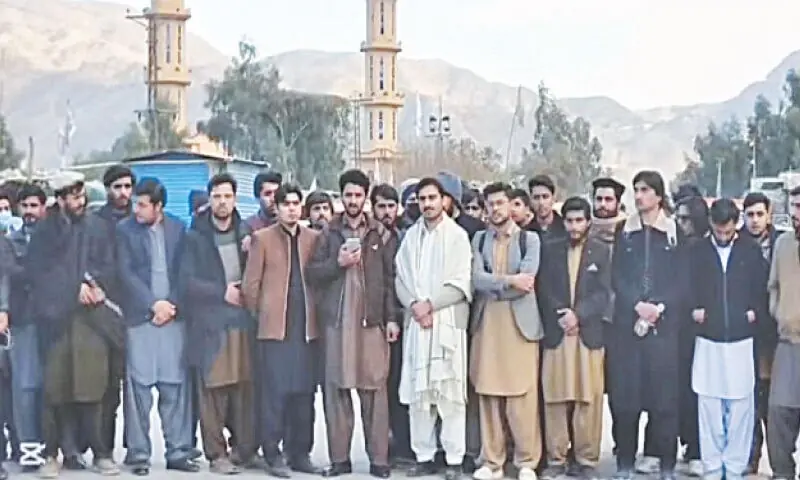
Approximately 70 medical students, who had been stranded in Afghanistan, successfully returned to Pakistan late on Saturday evening. The students had completed their academic sessions at various Afghan medical institutions a few weeks prior and were eager to reunite with their families. They had reached the Afghan side of the Torkham border several days ago but were unable to cross into Pakistan due to ongoing restrictions on pedestrian movement, which were implemented in October of the previous year. To facilitate their return, the students reached out to local elders and political leaders for assistance. Sherin Khan Afridi, the senior vice president of the Awami National Party (ANP) in Khyber district, was instrumental in arranging their passage. ANP leaders in Islamabad also engaged with government officials and political figures to resolve the situation. Following directives from Islamabad, the students were granted permission to cross the border into Pakistan. Upon their arrival at the Torkham border, they were welcomed by border officials and a group of ANP workers, led by Sherin Afridi. The students were subsequently provided with food and refreshments before being arranged transport to their home cities.
This event highlights the complexities of border management and the impact of administrative policies on individuals, particularly students pursuing education abroad. The successful return of the 70 students demonstrates the potential for political engagement and negotiation to resolve humanitarian challenges arising from border closures. It also underscores the role of civil society organizations, such as the Awami National Party, in advocating for citizens affected by such restrictions. Moving forward, policy frameworks governing border crossings could be reviewed to incorporate more flexible protocols for educational and humanitarian cases, mitigating future disruptions for students and their families. The incident also points to the interconnectedness of educational pursuits across borders and the need for coordinated bilateral approaches to student mobility.
AI-generated to prompt reflection — not editorial opinion, not advice, not a statement of fact. How this works.