70-Year-Old Man Among Five Arrested in Lucknow Gang Rape of Teenager
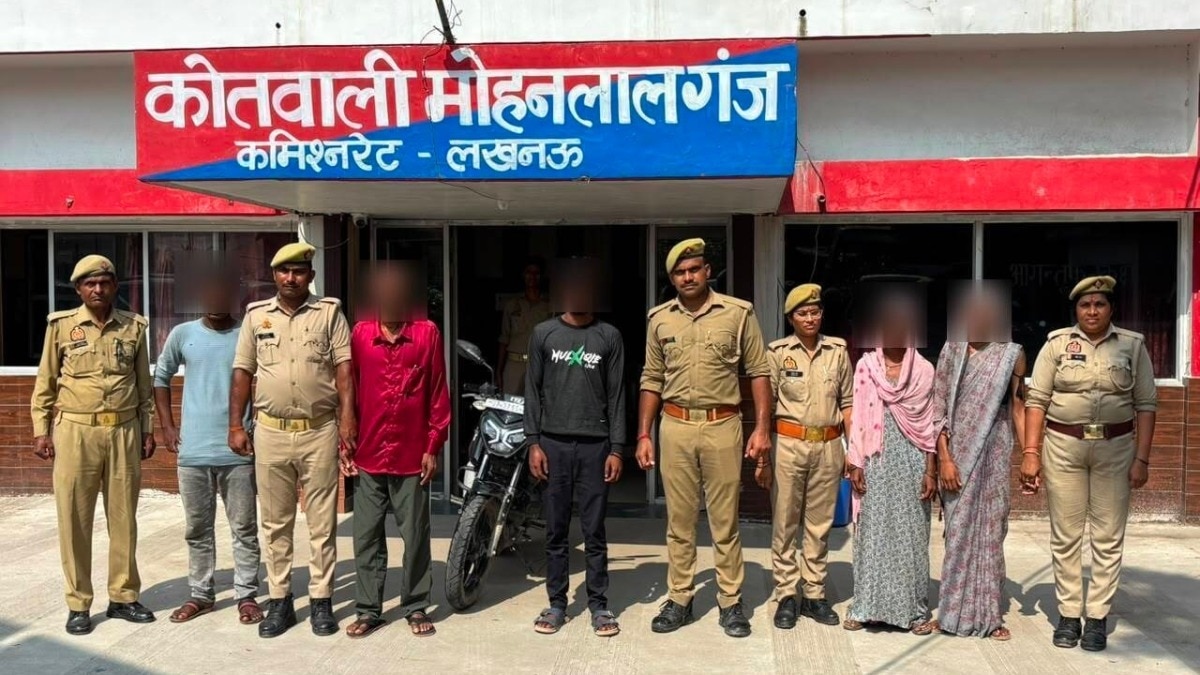
A shocking incident has emerged from Lucknow, India, where a teenage girl was subjected to gang rape. The police have arrested a total of five suspects in connection with the crime. Among those apprehended is a 70-year-old elderly man, indicating a disturbing involvement of different age groups in the alleged offense. The details of how the crime unfolded and the specific roles of each accused are still under investigation by the authorities. This case highlights a serious concern regarding the safety of minors and the prevalence of such heinous crimes in the region. Further investigation is expected to reveal more about the circumstances surrounding the assault and the motivations of the perpetrators. The police are working to ensure justice for the victim and to bring all responsible parties to account. The community has expressed deep concern and outrage over the incident, calling for stricter measures to prevent future occurrences. The investigation is ongoing, with authorities committed to a thorough and swift resolution.
This incident, involving the alleged gang rape of a minor by multiple individuals including an elderly man, raises critical questions about societal vulnerabilities and the effectiveness of protective measures for young people. The age disparity among the accused suggests complex dynamics at play, potentially involving coercion or exploitation within different social structures. Examining the underlying factors that contribute to such crimes, including socioeconomic pressures, community oversight, and access to resources for at-risk youth, is crucial. Moving forward, a focus on strengthening preventative strategies, enhancing community support systems, and ensuring robust legal frameworks will be essential to address the systemic issues that allow such tragedies to occur and to foster a safer environment for all citizens, particularly the most vulnerable.
AI-generated to prompt reflection — not editorial opinion, not advice, not a statement of fact. How this works.