70-Year-Old Siren Continues as a Cherished Tradition in a São Paulo Town's Commerce
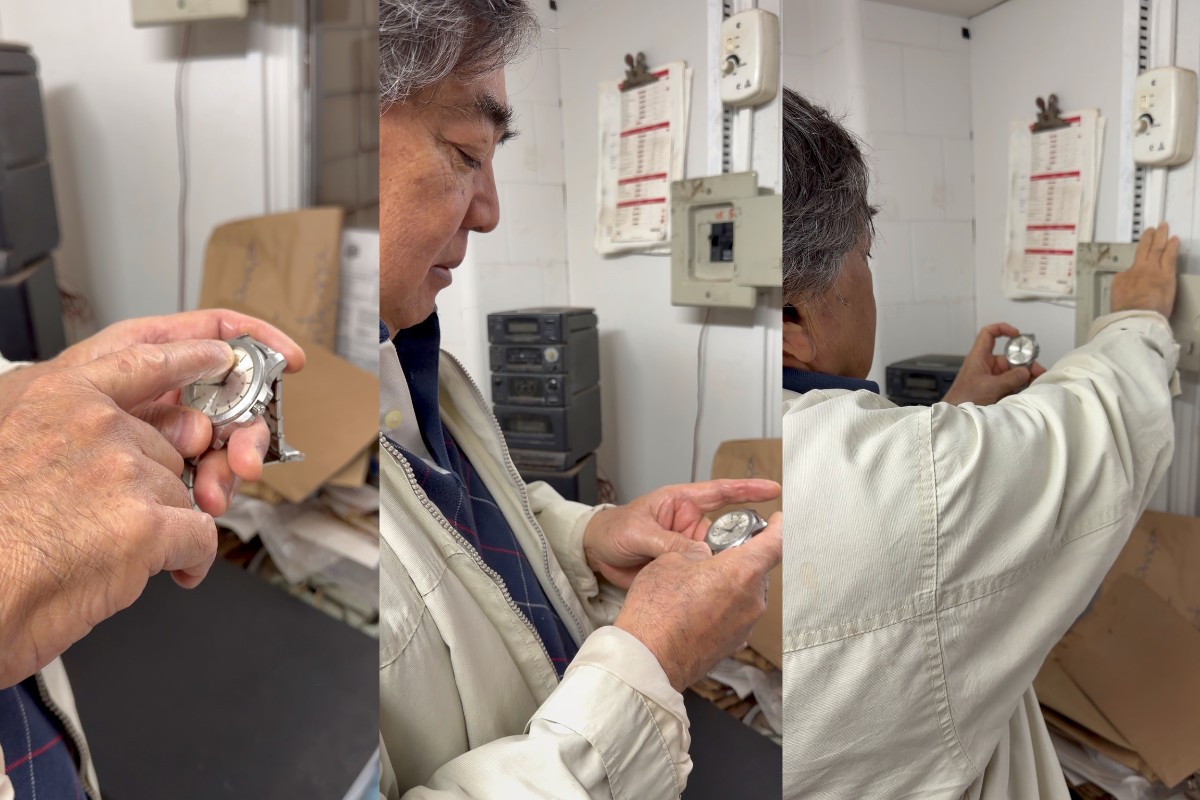
A siren installed over 70 years ago remains a vibrant tradition in the commerce of Adamantina, a city in the interior of São Paulo, Brazil. First installed in 1952 at an optical and watch shop in the city center, the device still operates daily to signal the opening and closing of businesses, preserving a practice that has endured technological advancements. Gilson Hiroshi Kitamura, 67, who has managed the establishment since 1982, explained that his father and uncle, the store's founders, installed the siren in the same year they opened the business. The siren sounds at 8 AM on weekdays to mark the start of the business day and at 6 PM for closing, with Saturday hours at 9 AM and 1 PM. Its sound can be heard several blocks away, serving as a crucial reference for other businesses and residents. Kitamura believes many establishments and citizens rely on the siren's signal for their daily routines. The siren has become integral to the city's identity; a brief period when Kitamura deactivated it due to perceived redundancy was met with requests from locals and authorities for its return, highlighting its symbolic importance. He considers it a landmark and a personal expression of gratitude to the city. The siren even played a role in preventing a robbery attempt when its 6 PM closing signal deterred criminals. Beyond commerce, it has marked special occasions, including New Year's Eve celebrations and specific public requests. Kitamura also recalled the meticulous effort to maintain accurate timekeeping before digital clocks, involving tuning into a Brasília radio station broadcasting official time. However, Kitamura anticipates this tradition may end with him, as his two children have pursued careers in healthcare and do not plan to take over the family business.
This narrative highlights the enduring power of local traditions and their integration into the fabric of community life, even in the face of technological progress. The siren's continued operation, driven by community sentiment and its role as a temporal anchor, underscores a human desire for continuity and shared experience. While the current owner foresees the tradition's end due to generational career shifts, this situation prompts reflection on how communities can preserve or adapt such historical markers. Future urban planning and business development might consider the systemic value of these unique, long-standing signals, exploring mechanisms for their continuation or thoughtful commemoration, rather than allowing them to fade with individual circumstances. This case illustrates a broader societal dynamic where tangible historical elements can foster social cohesion and identity, offering a counterpoint to the often impersonal and rapidly changing digital landscape.
AI-generated to prompt reflection — not editorial opinion, not advice, not a statement of fact. How this works.