77-Year-Old Doctor Warns Against Prostate Cancer After Personal Struggle
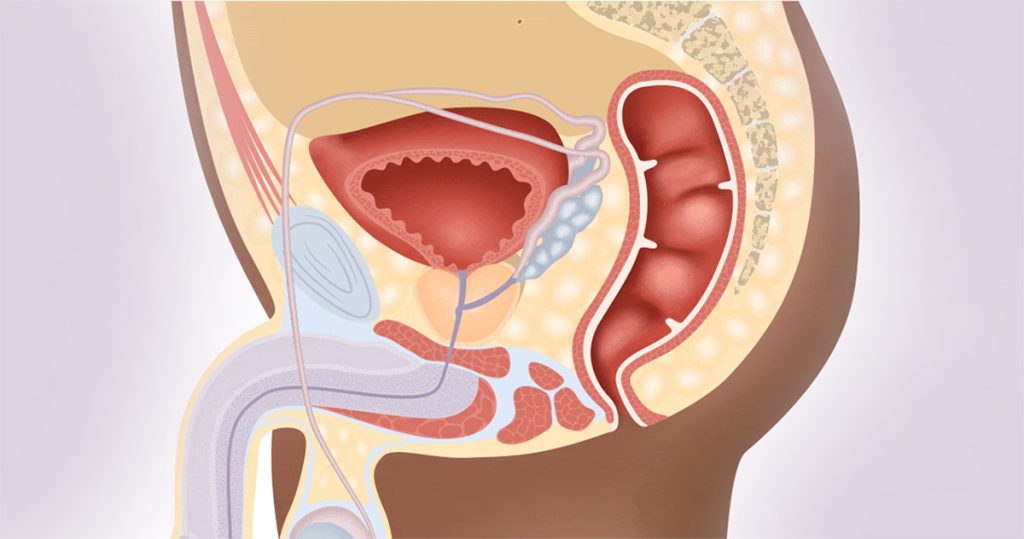
A 77-year-old doctor, with over 30 years of experience, has issued a stark warning about prostate cancer, revealing that he himself fell victim to the disease due to a delay in recognizing its symptoms. He admitted to making this mistake, highlighting a common issue where men's prostate glands gradually enlarge with age. This enlargement can exert pressure on the bladder and urethra, leading to various urinary problems. The doctor's personal experience underscores the critical importance of early detection and awareness regarding prostate health. He urges others not to fall into the same trap he did, emphasizing that even medical professionals can overlook crucial signs. His cautionary tale serves as a vital public health message for men of all ages, particularly as they get older. The condition, while common, can have severe consequences if not addressed promptly. The doctor's candid confession aims to empower individuals to prioritize their health and seek timely medical advice.
This narrative highlights a critical public health challenge: the potential for even experienced medical professionals to overlook personal health risks, particularly those associated with age-related conditions like prostate enlargement and cancer. The doctor's personal account serves as a powerful, albeit anecdotal, case study illustrating the disconnect that can occur between professional knowledge and personal vigilance. It underscores the need for systemic approaches to health awareness that transcend individual expertise, emphasizing proactive screening and patient education. The underlying incentive structure for healthcare providers often prioritizes patient care over self-care, creating a potential blind spot. Moving forward, fostering a culture that normalizes and encourages regular health checks for all, including those within the medical field, is essential for mitigating preventable health crises in the coming decade.
AI-generated to prompt reflection — not editorial opinion, not advice, not a statement of fact. How this works.