8-Year-Old Boy in ICU Fulfills Lifelong Dream of Seeing the Ocean in Natal
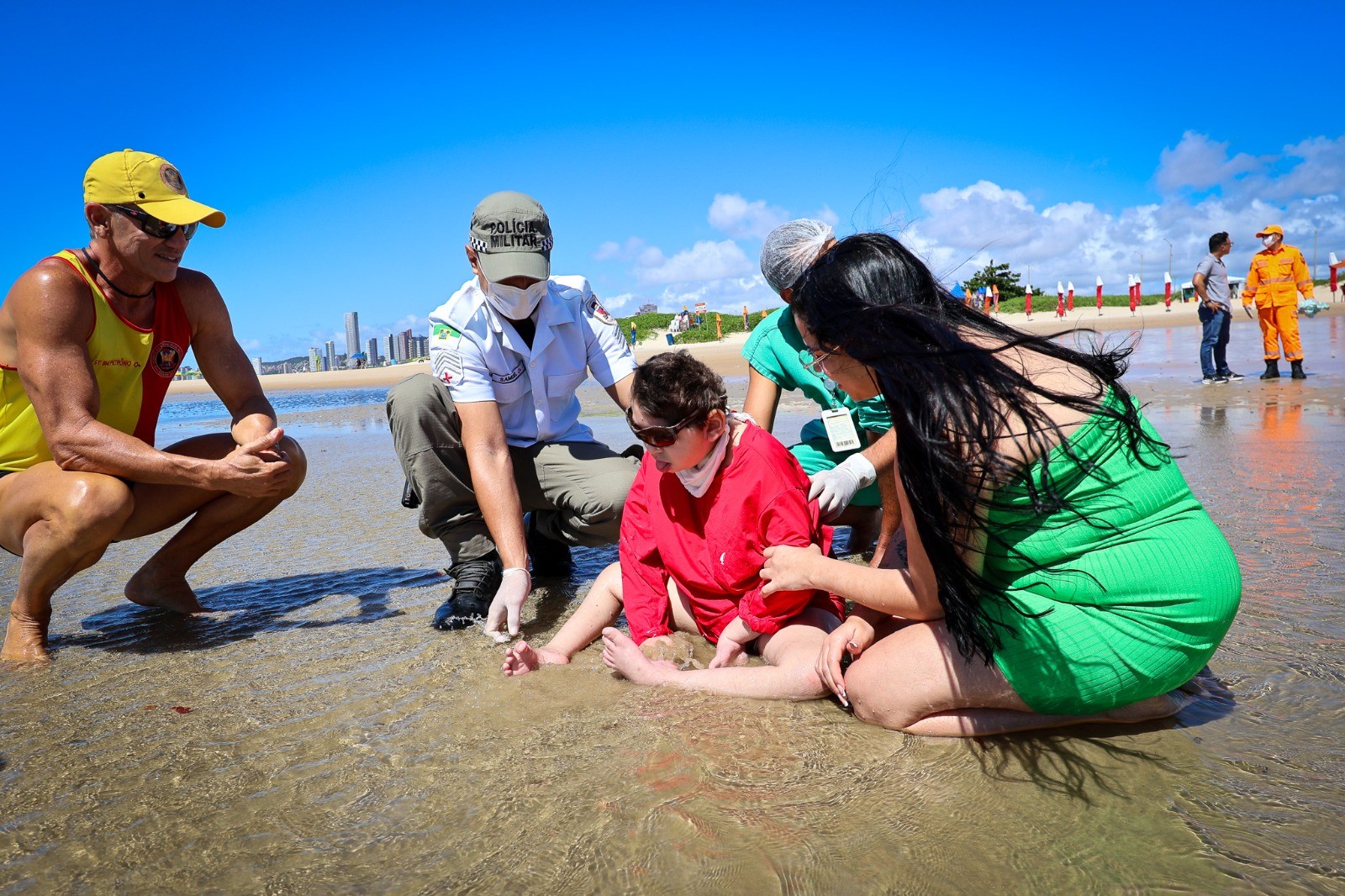
Miguel Artur, an 8-year-old boy undergoing treatment in the Intensive Care Unit (ICU) at Hospital Monsenhor Walfredo Gurgel in Natal, achieved his dream of experiencing the sea for the first time on Wednesday, May 29th. The special outing was meticulously organized by the hospital's multidisciplinary team in collaboration with the Military Fire Department of Rio Grande do Norte (CBMRN). Miguel, who hails from Carnaúba dos Dantas and suffers from paralysis and microcephaly, had never visited a beach, nor had his mother, Josiérica da Silva.
To make this dream a reality, a coordinated operation involving healthcare professionals and firefighters ensured Miguel's safety throughout the excursion. He was taken to Praia do Forte in the eastern zone of Natal, where he was able to feel the sea breeze, touch the ocean water, and spend time on the sand with his mother. Sergeant Guedes of the Fire Department noted that participating in this event highlighted a different dimension of their service, emphasizing their role in bringing hope. Miguel's mother expressed profound gratitude to the hospital staff and the firefighters, stating that they made the impossible possible and that this cherished moment would be eternally remembered.
This heartwarming event highlights the profound impact of coordinated inter-agency efforts in enhancing patient well-being beyond clinical treatment. The initiative demonstrates a compassionate approach to care, recognizing the psychological and emotional benefits of fulfilling significant life experiences for individuals facing prolonged hospitalization. Such actions underscore the growing understanding within healthcare systems of holistic patient care, integrating social and emotional support as critical components of recovery and quality of life. Looking ahead, this case offers a model for how healthcare institutions and community services can collaborate to create bespoke therapeutic experiences, potentially fostering greater patient engagement and improving overall outcomes, especially for those with chronic conditions or limited mobility.
AI-generated to prompt reflection — not editorial opinion, not advice, not a statement of fact. How this works.