8-Year Study Compares Low-Dose IMRT and Glucocorticoids for Thyroid Eye Disease Optic Nerve Safety
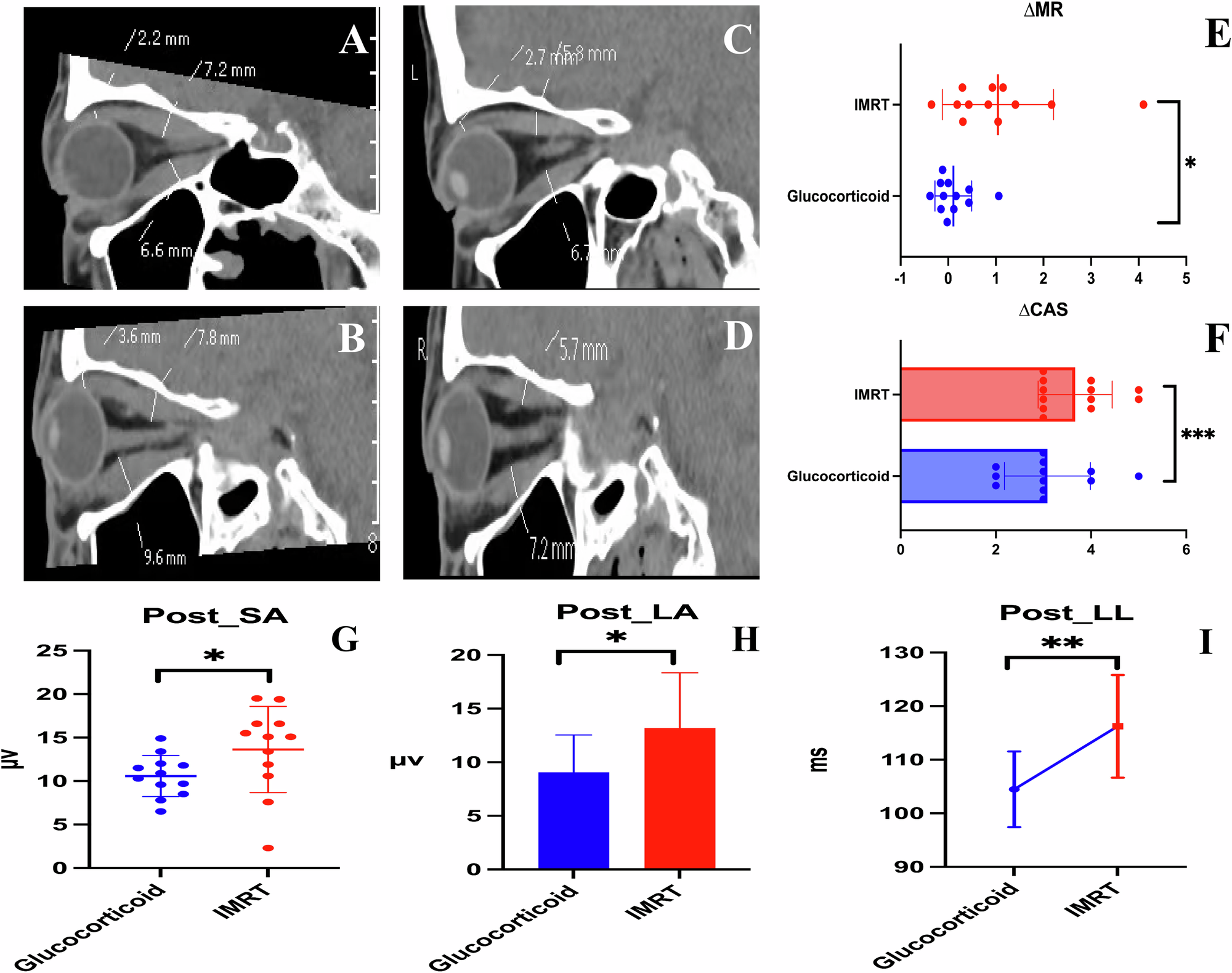
An eight-year multimodal, age-adjusted study investigated the long-term safety of low-dose intensity-modulated radiation therapy (IMRT) compared to glucocorticoids for managing optic nerve compression in thyroid eye disease (TED). The research aimed to determine which treatment offers better protection for the optic nerve over an extended period. Thyroid eye disease is an autoimmune condition that can affect the eyes, leading to inflammation and swelling behind the eye socket, which may compress the optic nerve. This compression can result in vision loss if not treated effectively. The study specifically focused on the safety profile of low-dose IMRT, a form of radiation therapy, and contrasted it with the established treatment of glucocorticoids, commonly known as steroids. The findings are crucial for ophthalmologists and endocrinologists treating patients with TED, providing evidence-based guidance on optimizing treatment strategies to preserve vision. The multimodal approach suggests that various diagnostic and assessment tools were employed to evaluate the optic nerve's condition and the treatment's impact. The age-adjusted analysis helps to account for potential confounding factors related to patient age, ensuring a more accurate comparison of the treatment effects.
This study addresses a critical clinical question regarding the long-term safety of two distinct therapeutic approaches for thyroid eye disease affecting the optic nerve. By comparing low-dose IMRT with glucocorticoids over an eight-year period, the research provides valuable data for optimizing patient outcomes and minimizing potential vision loss. The multimodal and age-adjusted design enhances the robustness of the findings, offering a more nuanced understanding of treatment efficacy and risk. Future considerations may involve exploring the cost-effectiveness and patient-reported quality of life associated with each modality, alongside their impact on disease progression beyond optic nerve decompression. Understanding these trade-offs will empower clinicians and patients to make more informed treatment decisions in the evolving landscape of autoimmune ophthalmopathy management.
AI-generated to prompt reflection — not editorial opinion, not advice, not a statement of fact. How this works.