82% of Water Sachets in Senegal Deemed Unsafe for Consumption
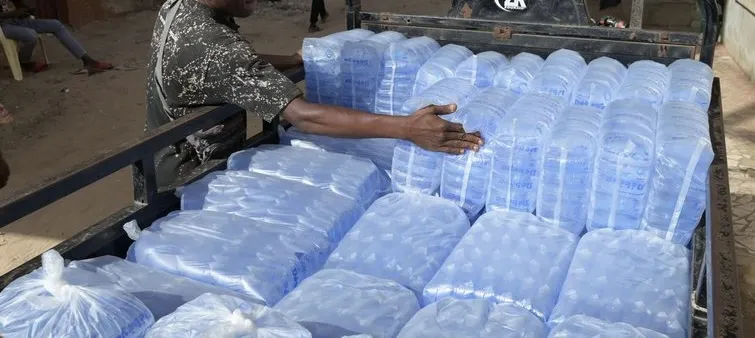
A recent study presented at the UCAD (Cheikh Anta Diop University of Dakar) has revealed alarming findings regarding the safety of packaged drinking water in Senegal. The analysis indicated that a significant majority, 82%, of water sachets tested were found to be unfit for human consumption. This suggests widespread issues with water quality and sanitation in the production of these common beverages.
In addition to the concerns about drinking water, the study also examined agricultural practices in the Niayes region. It was discovered that 72% of the cultivated soil used for growing chili peppers in this area contains pesticide residues. This finding raises questions about food safety and the potential long-term environmental impact of pesticide use in Senegalese agriculture.
The study's findings highlight critical public health and environmental challenges within Senegal. The high percentage of unsafe water sachets points to potential deficiencies in regulatory oversight, manufacturing standards, or distribution chain integrity. Addressing this requires a multi-pronged approach, potentially involving enhanced quality control measures, stricter enforcement of food safety regulations, and public awareness campaigns. The prevalence of pesticide residues in agricultural land used for chili production suggests a need for more sustainable farming practices and potentially a review of pesticide usage policies to mitigate risks to both consumer health and the ecosystem. Over the next decade, integrating advanced water purification technologies and promoting organic farming methods could offer pathways to improved safety and sustainability.
AI-generated to prompt reflection — not editorial opinion, not advice, not a statement of fact. How this works.