82-Year-Old Resident's Advocacy Leads to Law Change for Alcohol in Minnesota Nursing Homes
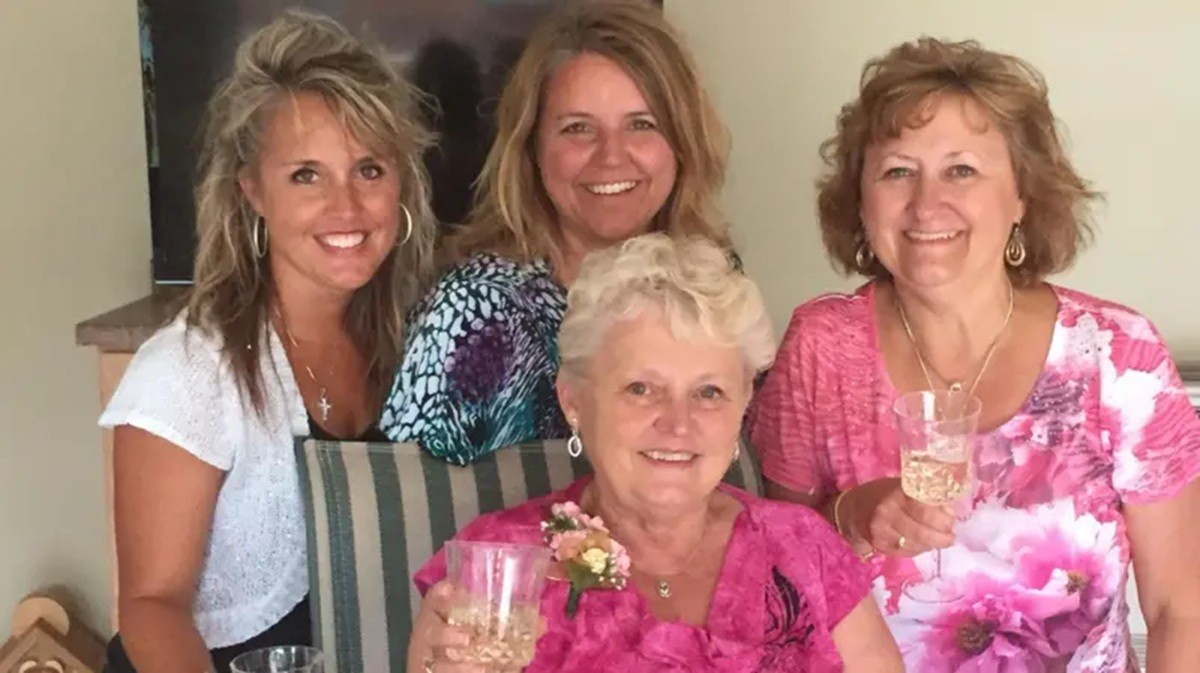
Anita LeBrun, an 82-year-old resident of Amira Choice Champlin in Minnesota, successfully advocated for a change in state law regarding alcohol consumption in assisted living facilities. LeBrun, who enjoyed her family's tradition of a 5 PM happy hour, was dismayed to learn her nursing home was prohibited from serving alcohol without a license. Embracing her sociable nature, she became the face of a campaign to alter the regulations. After testifying twice before the state legislature, she witnessed Governor Tim Walz sign the new bill, nicknamed the 'Grandparents' Happy Hour' law, at her residence. The legislation, effective this month, permits Minnesota nursing homes to serve alcoholic beverages to residents and their guests during special events without requiring a license, provided the state is notified in advance. Governor Walz stated that aging should not mean relinquishing lifelong traditions and freedoms, emphasizing that the law reduces unnecessary bureaucracy, allowing facilities to focus more on resident celebrations and social opportunities. The initiative was prompted after Amira Choice was cited for serving champagne at an event, and the associated licensing costs were deemed prohibitive by the facility and the nonprofit LeadingAge Minnesota. This change allows residents to legally consume alcohol, mirroring freedoms they would have in private homes. The movement has inspired other care providers, and Amira Choice is planning a celebratory party for its residents, with LeBrun being recognized for her instrumental role.
This legislative shift reflects a growing recognition of resident autonomy and quality of life within assisted living environments, moving beyond purely custodial care models. The 'Grandparents' Happy Hour' law addresses the tension between regulatory oversight aimed at safety and the desire for social engagement and personal freedom among seniors. By removing licensing barriers for special events, the state incentivizes social programming while maintaining a notification requirement, balancing administrative burden with resident well-being. This development highlights a broader societal re-evaluation of how to best support aging populations, focusing on maintaining dignity and familiar social practices. Future considerations may involve standardizing such provisions across different types of senior care facilities and exploring responsible alcohol service protocols tailored to the elderly population.
AI-generated to prompt reflection — not editorial opinion, not advice, not a statement of fact. How this works.