83-Year-Old Craftsman Transforms Discarded Coffee Trees into Furniture and Decor
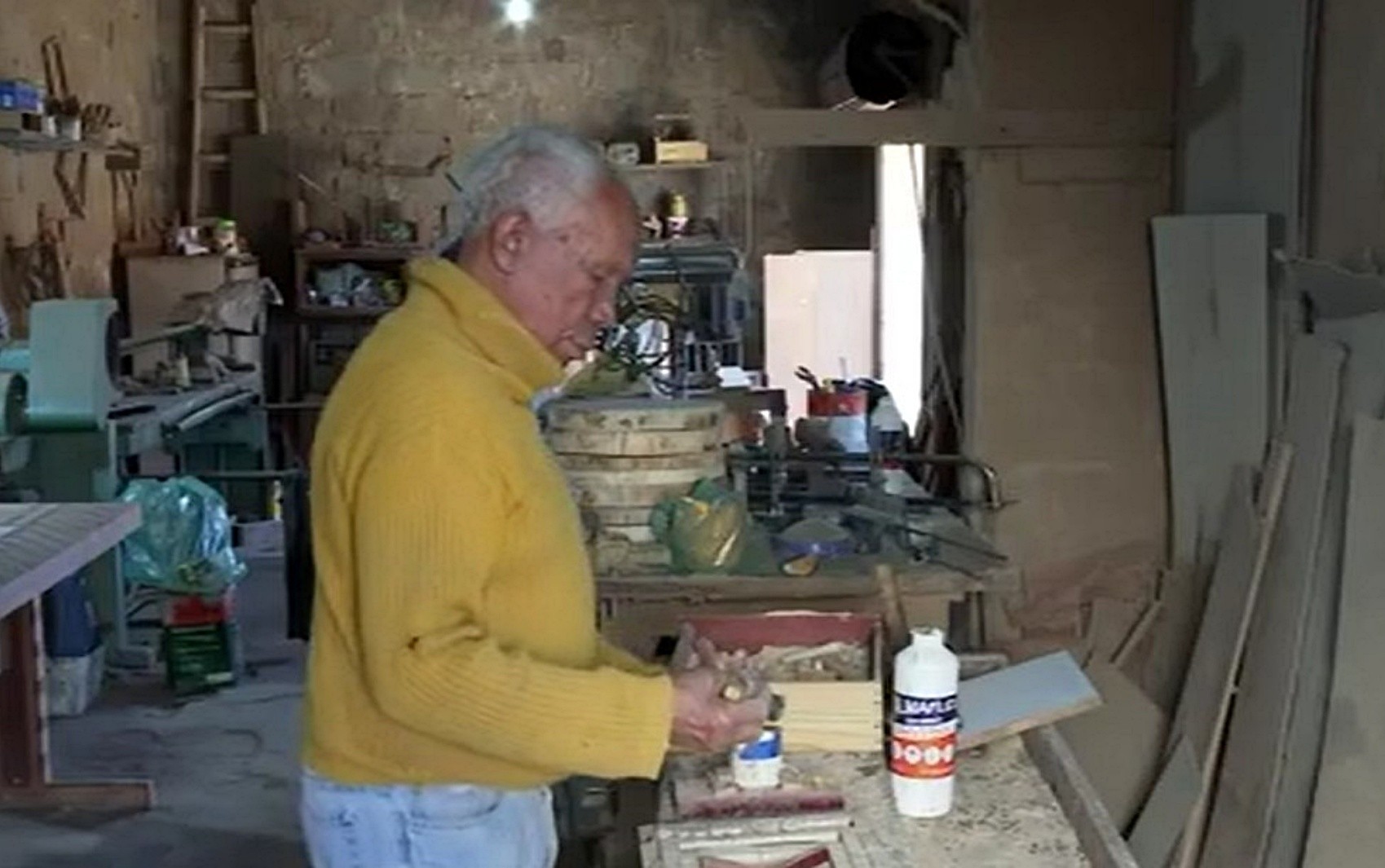
In Cabo Verde, Minas Gerais, a region renowned for its specialty coffees, 83-year-old artisan Paulo Esteves is giving discarded coffee tree wood a new life by crafting it into furniture and decorative items. Esteves, who learned woodworking from his father over sixty years ago, began specializing in this unique technique nearly two decades ago, creating a distinctive identity for local crafts. The idea sparked when a teacher questioned why he wasn't working with coffee wood, leading him to experiment until he successfully produced his first pieces. He still keeps his earliest creation, a small wooden box on a pedestal designed for documents and home decor. The abundant coffee wood, sourced from the region's primary economic activity, is meticulously examined by Esteves, who possesses a keen eye for potential where others see only firewood. He employs techniques like marquetry, where small pieces of coffee wood are assembled to form intricate designs, making each piece unique. Esteves's creations, including chests, mandalas, tables, and chairs, are sold at the Casa do Artesão de Cabo Verde, a space showcasing the work of over 50 local artisans. This center also features other local products like specialty coffees, coffee liqueurs, sweets, and traditional hand embroidery. Esteves, who has also taught his technique to other residents, believes creativity can transform any material and that everyone is born with innate artisanal talent. He expressed his joy and surprise at finding fulfillment in working with coffee wood.
This story highlights an individual's innovative approach to resourcefulness, transforming a local agricultural byproduct into valuable artisanal goods. It demonstrates how traditional crafts can adapt to new materials, driven by individual initiative and a keen understanding of local economic drivers. The narrative underscores the potential for sustainable practices within communities, where waste materials are repurposed, fostering both economic opportunity and cultural expression. This approach aligns with emerging circular economy principles and could serve as a model for other regions facing similar resource challenges, encouraging a shift from linear consumption to regenerative systems. The long-term viability of such crafts may depend on market demand, the scalability of the techniques, and the continued availability of the unique raw material.
AI-generated to prompt reflection — not editorial opinion, not advice, not a statement of fact. How this works.