85 Primary Schools in Koyra Lack Head Teachers, Disrupting Education
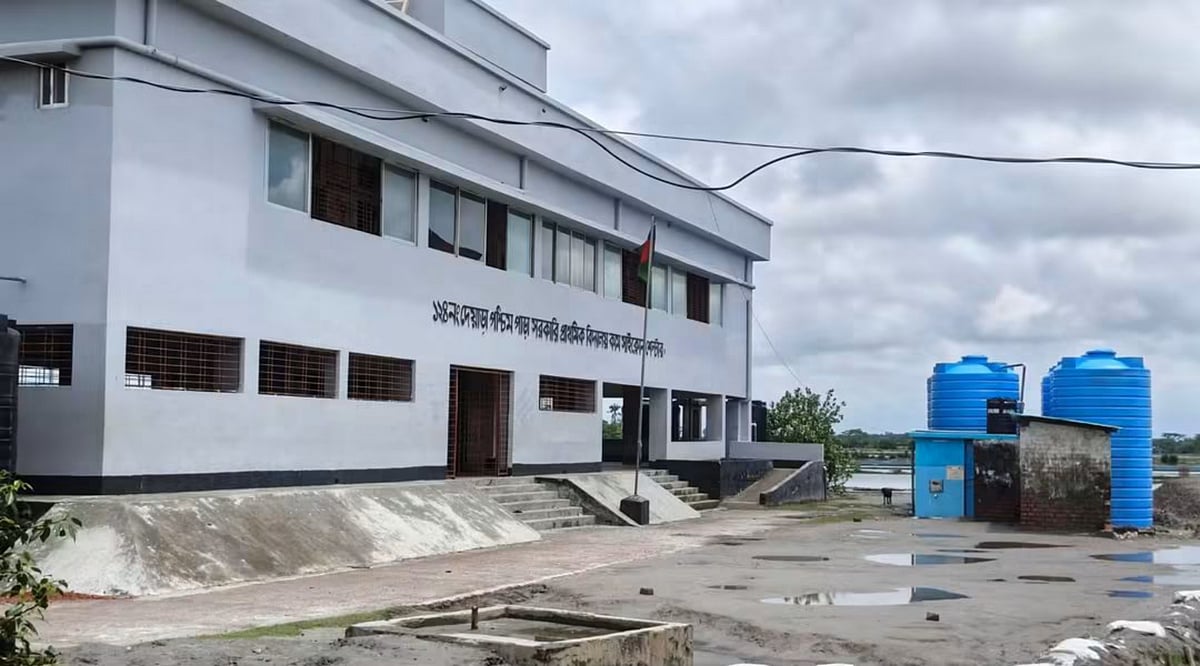
A significant crisis is unfolding in Koyra Upazila, Bangladesh, where 85 primary schools are operating without any head teachers. This administrative void stems from a lack of appointments since 2013, meaning no head teachers have been appointed to any primary school in the upazila for over a decade. The absence of these crucial leadership positions is directly impacting the quality of education and disrupting daily classroom activities. Head teachers are vital for school administration, teacher supervision, and overall educational planning. Their absence creates a vacuum in decision-making and operational management, leading to a decline in educational standards. Parents and local communities are concerned about the long-term consequences for the students' learning and development. The situation highlights a systemic issue in the appointment process for educational leadership roles within the region.
The prolonged absence of head teachers in 85 primary schools across Koyra Upazila, a situation persisting since 2013, indicates a significant governance and administrative failure. This systemic deficit in educational leadership directly impedes effective school management, teacher accountability, and pedagogical quality, potentially setting back student development for years. Such widespread vacancies suggest a breakdown in recruitment or allocation processes, possibly due to bureaucratic inertia, funding issues, or a lack of prioritization for foundational education leadership. In the context of an increasingly complex educational landscape, particularly with the advent of AI impacting learning methodologies, the lack of stable, qualified leadership at the school level creates a critical vulnerability. This situation demands urgent systemic reform to ensure that educational institutions are adequately staffed with capable leaders, fostering an environment conducive to learning and future preparedness.
AI-generated to prompt reflection — not editorial opinion, not advice, not a statement of fact. How this works.