9 Subtle Physical Signs of High Stress That Are Often Ignored
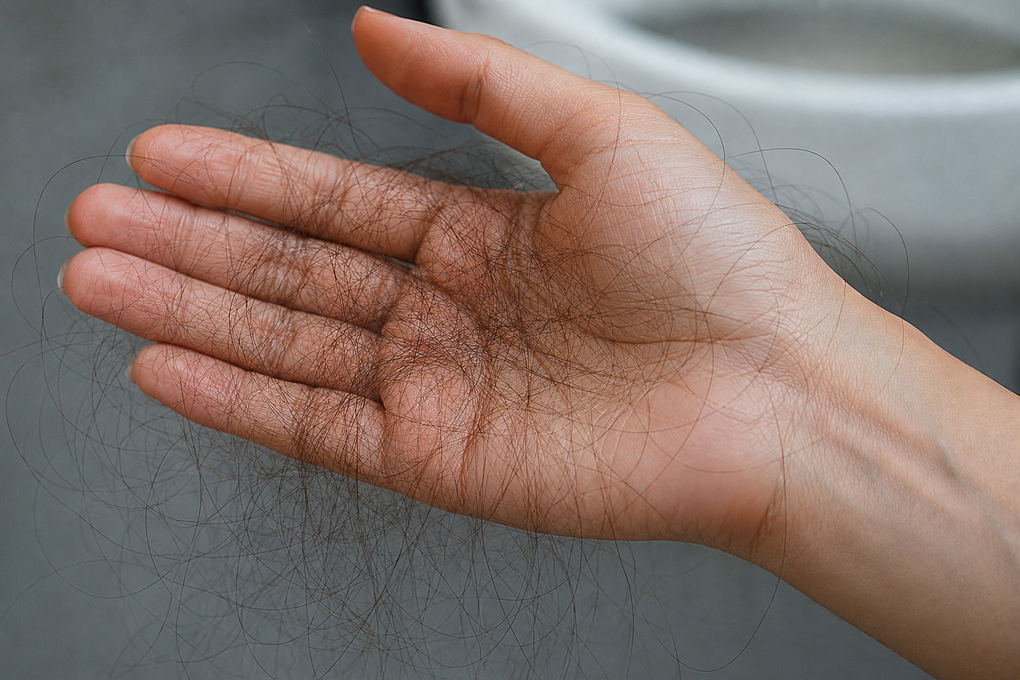
High stress levels can manifest in various subtle physical symptoms that are easily overlooked. These often include involuntary muscle twitches, commonly seen as eye twitches, and persistent headaches. Muscle tension is another common indicator, often affecting the neck and shoulders. Digestive issues, such as bloating, indigestion, or changes in bowel habits, can also signal elevated stress. Furthermore, experiencing significant hair loss can be a visible sign of the body's response to prolonged stress. Other less obvious signs may include changes in appetite, sleep disturbances, and a weakened immune system leading to frequent illnesses. Recognizing these physical cues is crucial for managing stress effectively before it leads to more serious health problems. Addressing the root causes of stress and implementing coping mechanisms are essential for overall well-being.
The body's physical responses to stress, such as muscle twitches, headaches, and digestive issues, highlight the interconnectedness of mental and physiological states. These symptoms, while often dismissed as minor ailments, represent the body's signaling system attempting to alert individuals to an overload. In the context of modern life, where chronic stress is prevalent, understanding these signals is critical for proactive health management. The persistence of such symptoms suggests a need to examine lifestyle factors, work-life balance, and environmental stressors. Addressing these underlying issues through behavioral changes, mindfulness practices, or seeking professional support can mitigate the long-term health risks associated with unmanaged stress, fostering greater resilience in the face of daily pressures.
AI-generated to prompt reflection — not editorial opinion, not advice, not a statement of fact. How this works.