90-Year-Old Treaty Dictates NATO's Limited Access in the Black Sea
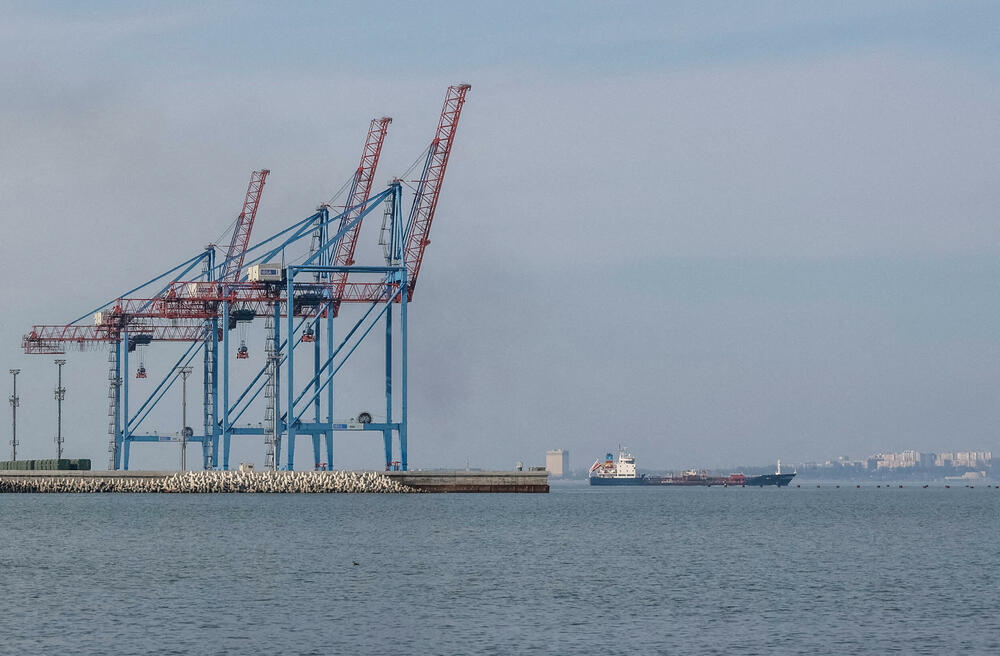
A 90-year-old agreement continues to significantly influence the balance of power in the Black Sea. This treaty imposes restrictions that shape the strategic landscape for NATO. As Ukraine remains engaged in its conflict with Russia, questions arise about NATO's ability to assert influence in these waters. The core issue is that NATO cannot freely enter the Black Sea due to the limitations imposed by this long-standing accord. The ongoing geopolitical tensions, particularly the conflict involving Ukraine and Russia, highlight the complexities of maritime access and military presence in the region. The treaty's enduring impact raises concerns about NATO's operational capacity and strategic options in a critical maritime domain.
The Montreux Convention Regarding the Regime of the Straits, signed in 1936, governs passage through the Turkish Straits, impacting naval access to the Black Sea. While intended to ensure regional stability and freedom of navigation for civilian vessels, its provisions on naval warship transit, particularly for non-Black Sea powers, create strategic constraints. In the context of the ongoing conflict between Russia and Ukraine, this treaty presents a complex challenge for NATO. It limits the alliance's ability to project naval power directly into the Black Sea, potentially affecting deterrence and response capabilities. Future geopolitical dynamics may necessitate a re-evaluation of such historical agreements, balancing regional security concerns with the evolving strategic needs of international alliances in an era of heightened global tensions.
AI-generated to prompt reflection — not editorial opinion, not advice, not a statement of fact. How this works.