90 Years Since the Eiger North Face's Deadliest Mountaineering Tragedy
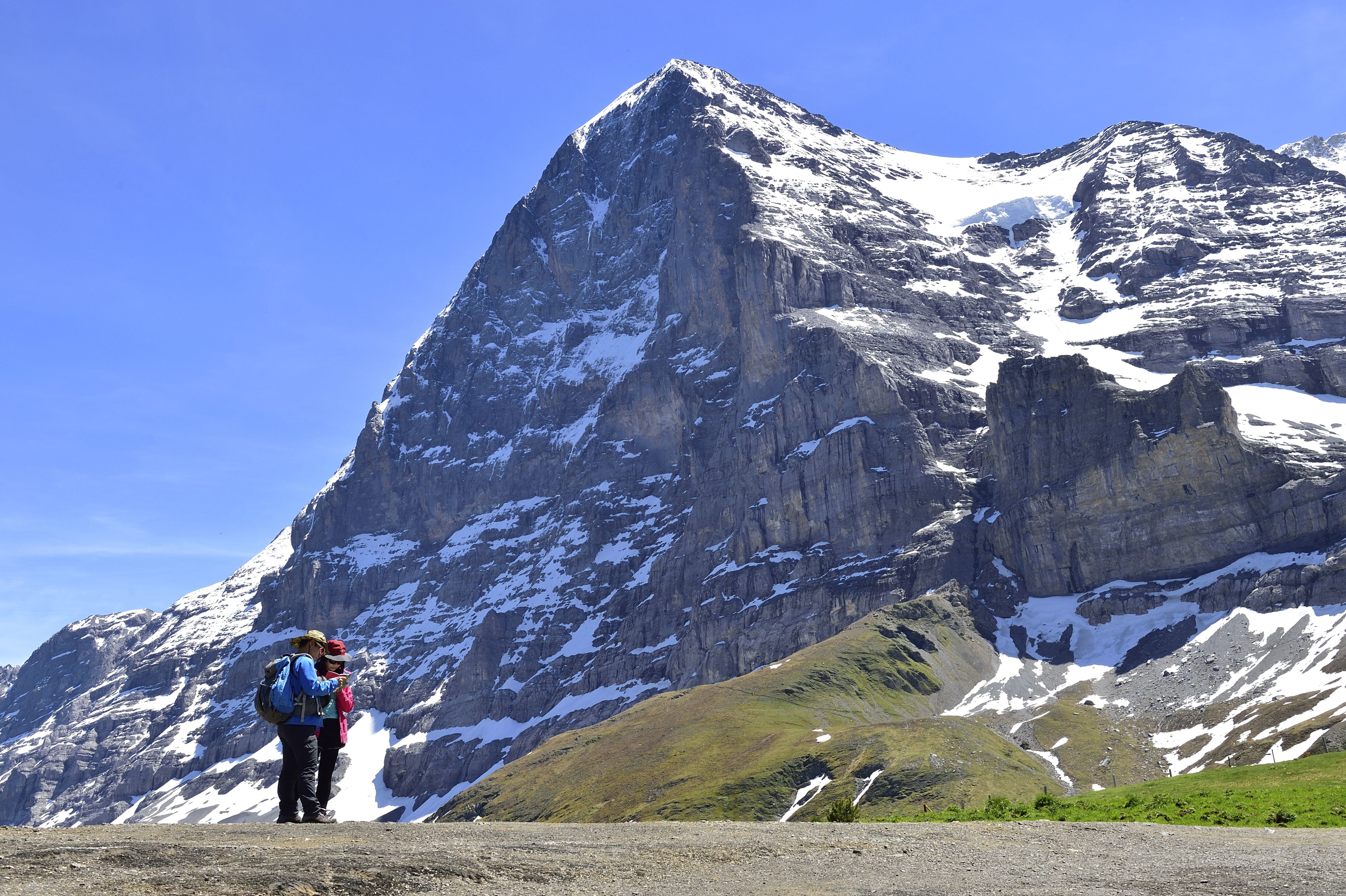
This year marks the 90th anniversary of a catastrophic event in mountaineering history: the ordeal of Toni Kurz on the Eiger North Face. In July 1936, four climbers attempting the first ascent of the face tragically perished. Their harrowing experience became a defining narrative in mountaineering for decades, shaping how the sport was recounted and perceived. This story of horror and struggle on the Eiger's formidable north face left an indelible mark on the history of alpinism. The narrative remained dominant until the advent of climbers like Ueli Steck, who would later redefine the limits and storytelling within the sport. The Eiger North Face has since been the site of numerous climbing attempts and tragedies, but the 1936 event remains one of the most significant and impactful.
The 1936 Eiger North Face tragedy highlights the inherent risks and extreme challenges of high-altitude mountaineering. The event's lasting impact on the narrative of alpinism underscores how human drama and survival stories can overshadow technical achievement and exploration. In the context of the coming decade, advancements in materials science, predictive weather modeling, and real-time physiological monitoring could potentially mitigate some risks. However, the fundamental human drive for exploration and pushing boundaries, coupled with the unpredictable nature of extreme environments, suggests that such high-stakes endeavors will continue to capture public imagination, albeit with evolving perceptions of risk and heroism.
AI-generated to prompt reflection — not editorial opinion, not advice, not a statement of fact. How this works.