900-Year-Old Islamic Bathhouse Discovered During Renovation in Loulé, Portugal
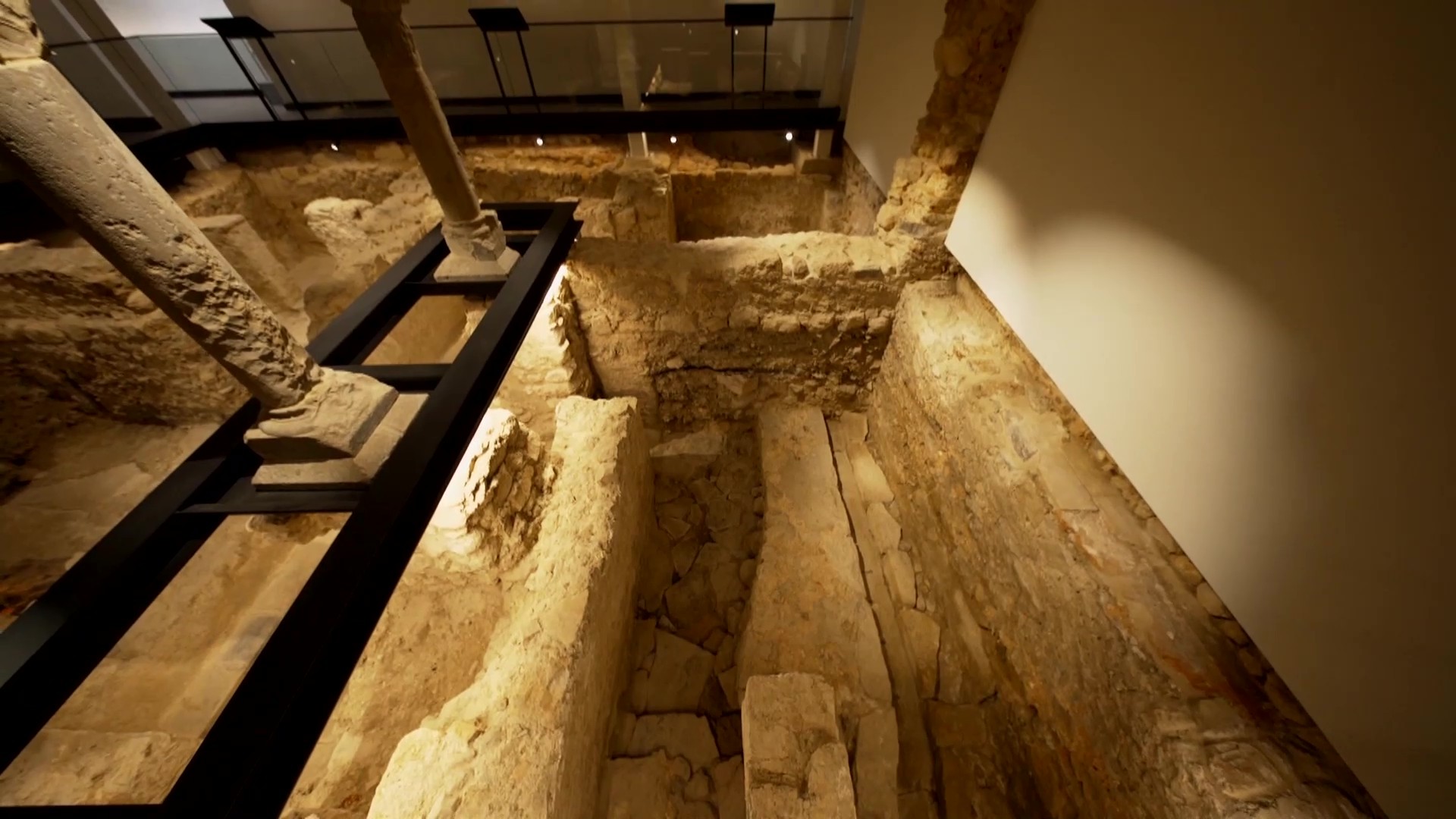
A renovation project in a historic house in Loulé, southern Portugal, has unexpectedly uncovered a significant archaeological find: a well-preserved 900-year-old Islamic hammam, or public bathhouse. This discovery, made after the Loulé Municipal Chamber purchased the property in 2006, is considered the only medieval bath of its kind found in Portugal. Archaeologists, including Rui de Almeida, had long suspected the area held historical importance, but the intact nature of the hammam exceeded expectations. The structure dates back to the Al-Andalus period, when part of the Iberian Peninsula was under Muslim rule. Hammams served not only for hygiene but also as vital social gathering spaces in medieval cities. The find has profoundly enhanced Loulé's historical heritage, leading to the site's transformation into a museum in 2022 and its designation as a National Monument in 2023. According to Almeida, it is now the most important archaeological site open to visitors in Portugal, boosting the city's cultural tourism. Loulé, a city of approximately 15,000 inhabitants, already showcases other remnants of Islamic presence, such as an 8th-century castle and a market inspired by Moorish architecture. The city's name itself, derived from the Arabic 'Al-Ulyã,' meaning 'the superior,' reflects its elevated position. The report also touches upon the enduring Moorish influence in Portugal, highlighting a visit to an atelier in Faro where traditional Hispano-Moorish tile reproduction techniques are practiced. The art of azulejo, a significant symbol of Portugal, has its roots in the Moorish period, with the word originating from the Arabic 'al-zulayj' for polished stone. This segment is part of a Globo Repórter series exploring historical connections between Morocco, Spain, and Portugal, host nations for the 2030 FIFA World Cup.
The discovery of the 900-year-old hammam in Loulé underscores the profound and often layered historical narratives embedded within urban landscapes, particularly those shaped by periods of cultural exchange. This find highlights how routine development or renovation can unexpectedly reveal significant historical assets, prompting a reevaluation of local heritage and its potential for cultural tourism. The transformation of the site into a museum and National Monument demonstrates a positive governmental response to preserving and leveraging such discoveries. Looking ahead, this event serves as a case study for urban planning in historically rich regions, emphasizing the need for integrated archaeological assessments to mitigate the risk of inadvertently damaging or overlooking invaluable historical evidence during construction. It also points to the long-term economic and cultural benefits of investing in heritage preservation, potentially influencing future tourism strategies and inter-regional cultural programming, especially in anticipation of events like the 2030 World Cup.
AI-generated to prompt reflection — not editorial opinion, not advice, not a statement of fact. How this works.