90s Pagode Series Explores Samba's Societal Transformation
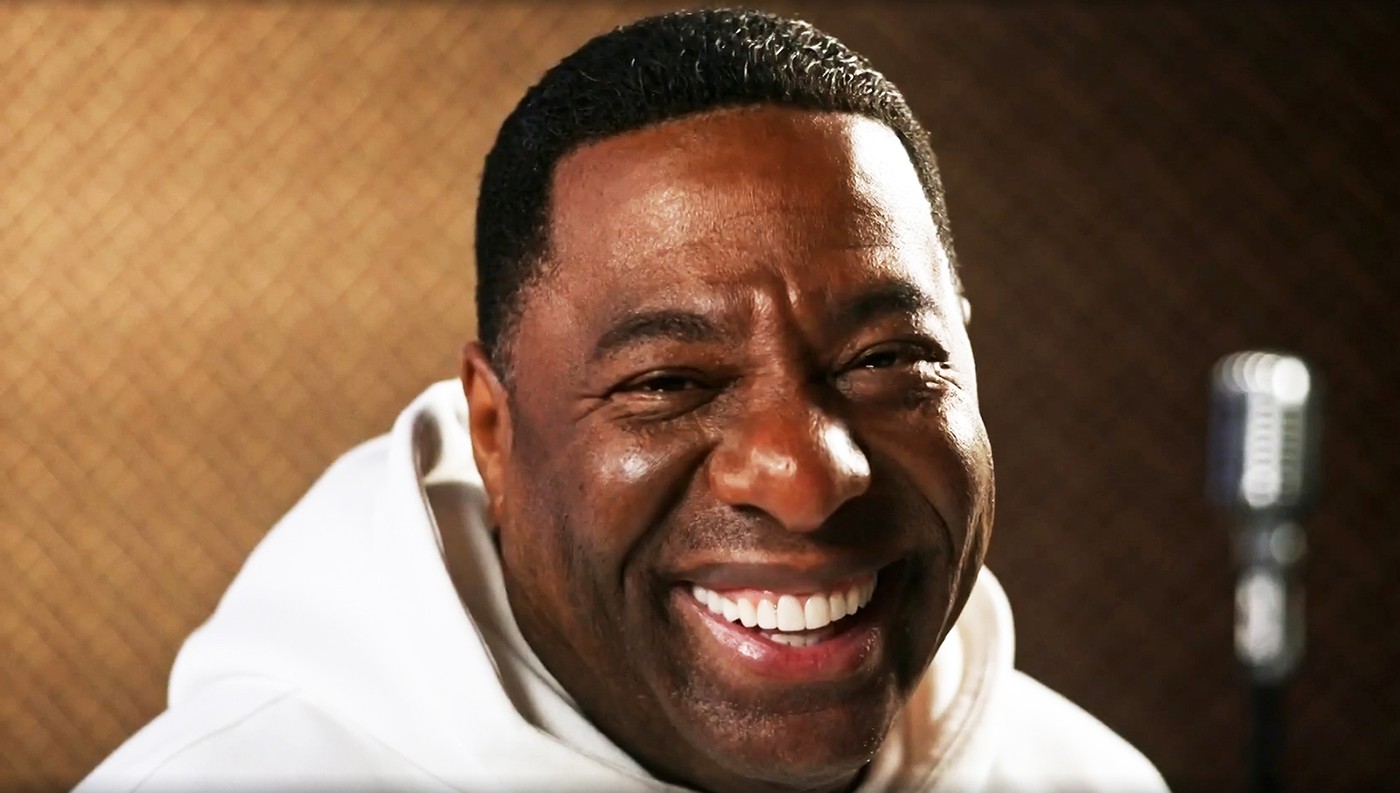
The documentary series "Anos 90 – A explosão do pagode" (90s – The Explosion of Pagode), available on Globoplay, re-examines the 1990s pagode music scene as a significant societal and musical movement. Directed by Emílio Domingos and Rafael Boucinha, the series features in-depth interviews with key artists who reflect on their careers and the genre's impact. Singer Thiaguinho, who rose to fame with Exaltasamba, highlights how the pagode boom in the 90s fostered Black pride and acted as a transformative force beyond music. Netinho de Paula, initially revealed by the group Negritude Junior, shares emotional accounts of his journey, including his departure from the group and the identity struggles faced by Black artists. The documentary also touches upon the challenges of sudden fame and personal conflicts, as exemplified by Chrigor's experience after leaving Exaltasamba. The series underscores pagode's role in providing social mobility for young Black men from São Paulo's peripheries, while also addressing the initial male dominance in the genre, contrasting it with contemporary artists like Ludmilla and her project 'Numanice'. It traces the genre's roots back to groups like Fundo de Quintal and Raça Negra, acknowledging the influence of São Paulo's black music scene and the crucial support from producers and entrepreneurs. The series delves into the genre's explosive growth, the subsequent rise of ostentation and rivalries, and its enduring cultural legacy, which has seen a resurgence in the 2020s with lucrative tours and renewed interest.
This documentary series offers a valuable retrospective on the 1990s pagode explosion, framing it not merely as a musical trend but as a significant cultural and social phenomenon. By centering the narratives of artists, particularly Black musicians from marginalized backgrounds, it highlights pagode's role in fostering identity, social mobility, and a sense of pride. The series intelligently connects the genre's rise to broader societal shifts and the influence of the black music scene in São Paulo. It also provides a nuanced look at the complexities of fame, including personal struggles and industry dynamics, without resorting to sensationalism. The analysis of gender dynamics within the genre, contrasting past and present, adds another layer of critical depth. Ultimately, the series serves as a testament to the enduring power of music to reflect and shape societal change, offering a rich historical perspective for understanding contemporary Brazilian culture.
AI-generated to prompt reflection — not editorial opinion, not advice, not a statement of fact. How this works.