92 Years After Death, Details Emerge About Padre Cícero's Final Days
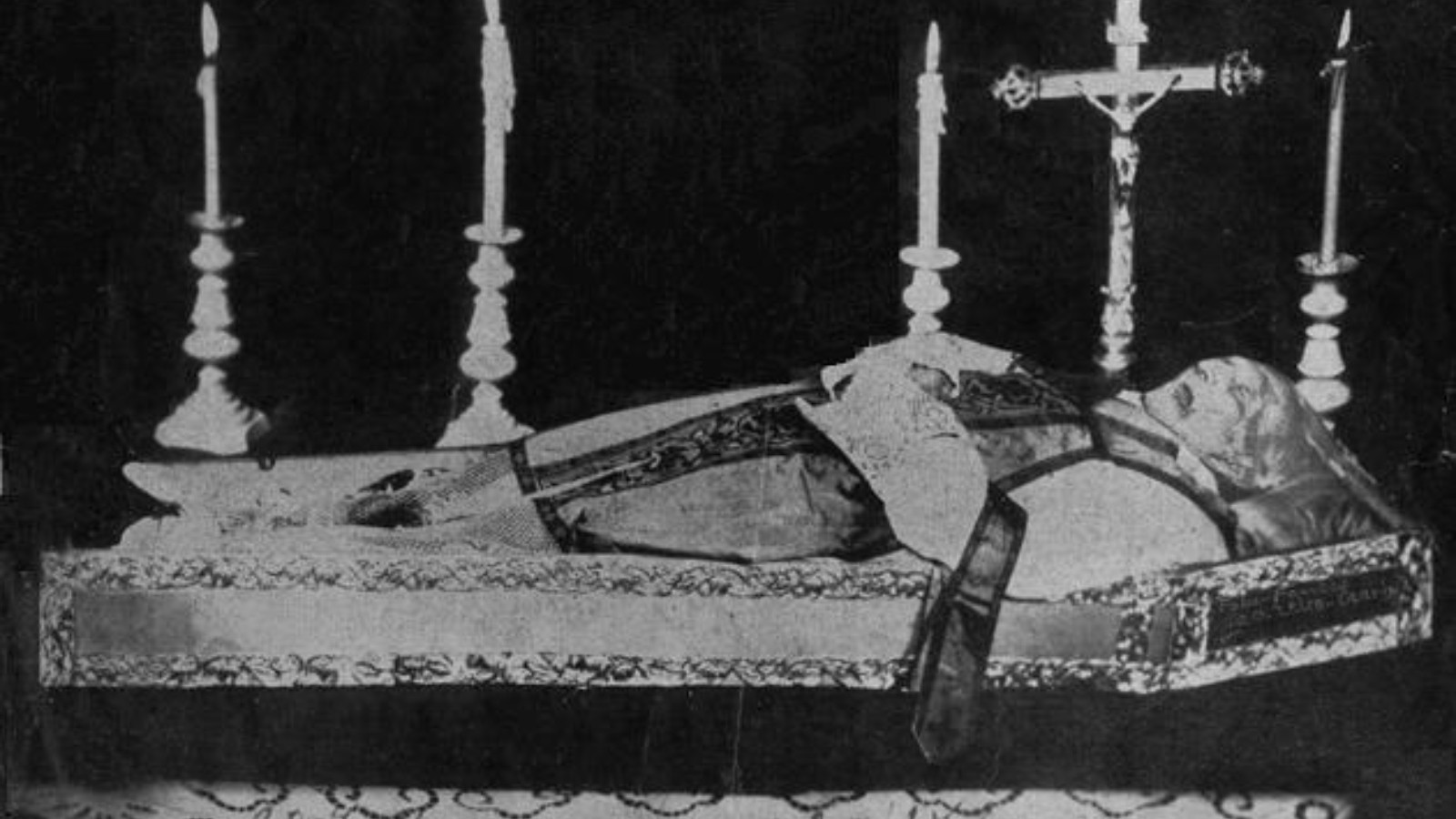
Ninety-two years after his passing, new details are emerging about the final days of Cícero Romão Batista, widely known as Padre Cícero, who died in 1934 at the age of 90. In his last days, the revered religious figure was largely confined to his home on São José street in Juazeiro do Norte, suffering from poor eyesight and digestive issues. Despite undergoing cataract surgery, his health continued to decline, leading to irreversible organic failure. His final moments were attended by physicians, devoted followers like Joana Tertulina de Jesus (Beata Mocinha), and godchildren, including teachers Generosa Alencar and Amália Xavier. These witnesses provided valuable biographical details about his suffering, his last words, and the unusual circumstances of his wake.
According to historical documents from the Catholic Church and various biographies, Padre Cícero's cause of death was attributed to intestinal problems. Researcher Frederico Pernambucano de Mello noted that after an unsuccessful cataract surgery in mid-1934, his digestive system became completely obstructed. His last words, reportedly spoken in the early hours of July 20, 1934, were "In Heaven, I will pray to God for all of you..." and "my father, my father, my father...", the latter heard only by his goddaughter Amália Xavier de Oliveira. The wake itself was a significant event, lasting approximately 30 hours and drawing an estimated 60,000 people. A notable curiosity from the funeral was the use of two coffins; the first was made to his specific measurements, but due to swelling from his illness, a second, larger coffin had to be prepared. Another anecdote recounts a moment during the wake when a movement of his right arm, caused by handling, led someone to believe he had been resurrected.
Padre Cícero, officially considered a servant of God by the Catholic Church with a beatification process underway, remains a significant figure, drawing millions of pilgrims to Juazeiro do Norte annually, especially on All Souls' Day. Several locations in the city preserve his memory, including the Casarão da rua São José, his former residence and now a museum administered by the Salesian Order, which houses personal belongings and offers insights into his life. The Memorial Padre Cícero, established in 1988, also preserves his legacy with a diverse collection, including his private library, which contains books on various subjects, including medicine, suggesting his interest in health. The Casarão do Horto, located on a hilltop, serves as a resting place and museum featuring life-size sculptures and ex-votos from devotees.
The enduring pilgrimage and memorialization surrounding Padre Cícero highlight the powerful intersection of faith, local identity, and economic activity in Juazeiro do Norte. The narrative of his final days, marked by physical suffering and spiritual pronouncements, reinforces his status as a beloved popular saint, a figure deeply integrated into the community's fabric. The detailed accounts of his death and wake, including the logistical challenge of two coffins, underscore the immense public devotion and the unique cultural practices that have evolved around his legacy. As the Church continues its beatification process, the ongoing veneration suggests a dynamic relationship between institutional religious authority and grassroots popular devotion, where historical narratives are continually reinterpreted and sustained by contemporary followers. This phenomenon illustrates how charismatic figures can shape regional economies and social structures for generations, transcending their physical existence through enduring cultural and spiritual influence.
AI-generated to prompt reflection — not editorial opinion, not advice, not a statement of fact. How this works.