Aécio Neves to Exit Electoral Politics After 40 Years, Focus on PSDB Leadership
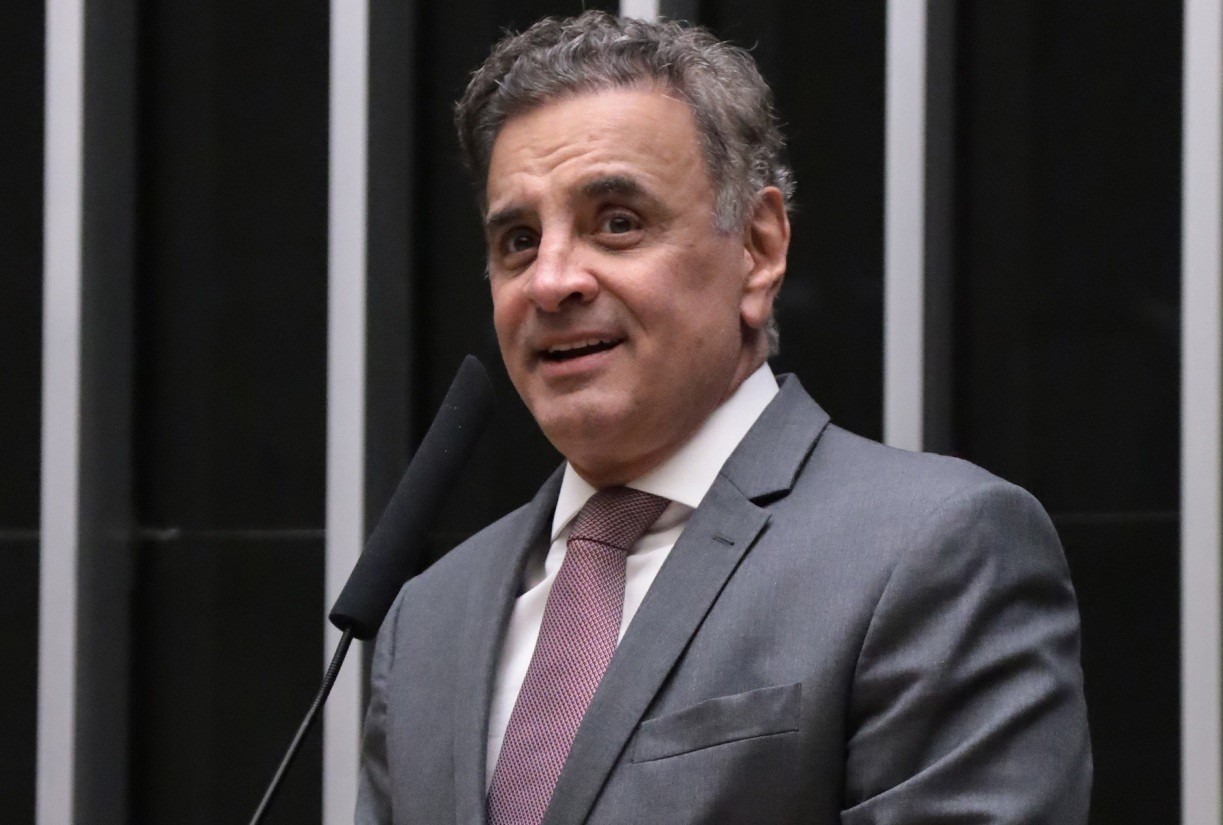
Federal Deputy and National President of the Brazilian Social Democracy Party (PSDB), Aécio Neves, announced on Tuesday, June 4th, that he will not seek any elected office in the 2026 elections. This decision comes after completing 40 consecutive years in public service. Neves, who previously served as Governor of Minas Gerais and as a Senator, stated that the choice was difficult, particularly as he reportedly leads polls for a Senate seat in Minas Gerais. Despite this, he intends to dedicate his efforts to strengthening the democratic center in Brazil and leading the PSDB. He emphasized that this move does not signify an exit from public life or a withdrawal from future political contests. Neves recalled his extensive political career, which included roles as a federal deputy, Speaker of the Chamber of Deputies, two-term governor of Minas Gerais, and senator. His current priority is to lead the PSDB and develop a political project described as economically liberal, socially inclusive, fiscally responsible, and pragmatically focused on national interests globally. He also criticized Brazil's political polarization and advocated for an alternative to the current landscape, asserting that his party is larger than the combined influence of current political figures like Lula and Bolsonaro. Neves concluded by expressing gratitude for his career support and reaffirming his commitment to defending Minas Gerais and Brazil.
Aécio Neves's decision to step down from electoral candidacies after four decades signals a potential shift in Brazil's political landscape, particularly for the PSDB. By focusing on party leadership and the 'democratic center,' Neves aims to consolidate a political force distinct from the current polarization. This strategy could aim to capture voters disillusioned with the dominant political factions, leveraging the PSDB's historical role. However, the success of such an endeavor will depend on the party's ability to articulate a compelling vision and mobilize support beyond its traditional base, navigating the complex dynamics of Brazilian politics in the coming years. The emphasis on a 'liberal economy' and 'fiscal responsibility' suggests an appeal to a specific segment of the electorate, while 'social inclusion' and 'pragmatism' aim for broader reach.
AI-generated to prompt reflection — not editorial opinion, not advice, not a statement of fact. How this works.
