A Deep Crater: At the Donbas Front
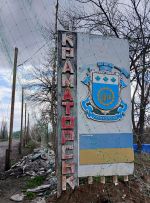
Author Robert Prosser journeyed to a region in the Donbas that Ukrainian civilians have long since evacuated. His reportage focuses on the experiences of volunteer helpers operating near the front lines of the conflict. These individuals have chosen to remain or operate in areas heavily impacted by the ongoing hostilities. Prosser's account likely delves into the challenging conditions and the motivations of those providing aid in such a dangerous environment. The description "a deep crater" suggests a landscape profoundly scarred by war, highlighting the destructive impact of the conflict on the region. The report aims to shed light on the human element of the war, specifically focusing on the efforts of volunteers who continue to serve in a zone largely abandoned by the civilian population due to safety concerns. This narrative offers a glimpse into the resilience and dedication of individuals working under extreme duress.
This report highlights the presence of volunteer aid workers in a high-risk zone, long after civilian evacuation. The narrative framing emphasizes the personal commitment of these volunteers in a war-torn landscape. From a systems perspective, the continued operation of non-state actors in active conflict zones raises questions about coordination with official military and humanitarian efforts, as well as the long-term sustainability and safety protocols for such volunteers. The presence of volunteers in areas devoid of civilian populations suggests a complex interplay of motivations, potentially including humanitarian imperatives, ideological alignment, or the pursuit of specific objectives beyond standard aid delivery. Understanding the support structures and strategic roles of these volunteer groups is crucial for a comprehensive assessment of the conflict's broader humanitarian and logistical dimensions.
AI-generated to prompt reflection — not editorial opinion, not advice, not a statement of fact. How this works.