A Mother-in-Law's Visit: Reconciliation and Reflection
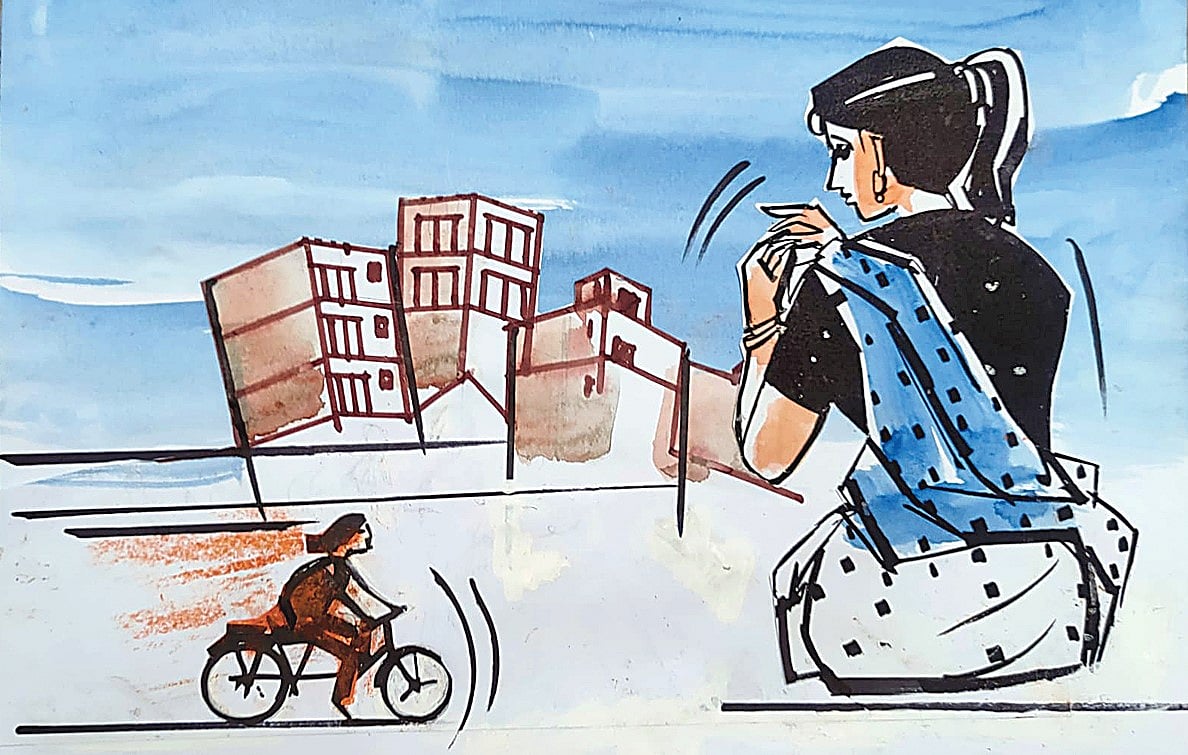
As Eid approaches, Diya reflects on the past year's hardships and newfound blessings, including a surprising visit from her husband Kiran's aunt, Azmeri Wahed. Azmeri, initially perceived as aloof and self-centered, arrives from Australia with her husband, a physician, and their two successful children, who are married to a Turkish and a Polish national, respectively. Diya recalls how Kiran, despite receiving little affection from his aunt during his student days, treated her with respect. Azmeri's visit is marked by thoughtful gestures, including gifts for their son, Ayan, and a significant antique ring for Diya, which she claims holds a special magic. This gesture, coupled with Azmeri's warmth towards Ayan, who speaks both Bengali and English fluently, prompts Azmeri to reflect on her own parenting choices. She regrets not teaching her own children Bengali and immersing them in their cultural heritage, a decision influenced by her own struggles with English and societal pressures upon arriving in America. She recounts an incident where a Bengali caregiver criticized her children's lack of English, leading Azmeri to prioritize English fluency and distance her children from Bengali. Azmeri's visit becomes a catalyst for introspection, highlighting the complexities of cultural identity and familial relationships across generations and borders.
This narrative explores themes of cultural assimilation, familial obligation, and intergenerational regret. Azmeri Wahed's journey from prioritizing English fluency and Western integration for her children to reflecting on the value of her Bengali heritage suggests a common challenge faced by immigrants navigating new societal norms. The story subtly critiques the notion that abandoning one's native language and culture is a prerequisite for success, hinting at the potential for a richer, more balanced identity when both are embraced. The narrative also touches upon the dynamics of social perception and the subtle judgments that can arise within diaspora communities. Azmeri's initial coldness towards Kiran, contrasted with her later acknowledgment of his character and her eventual warmth towards Diya and Ayan, illustrates the potential for personal growth and the softening of rigid perspectives over time. The story prompts reflection on how societal pressures and personal experiences can shape parenting decisions and the long-term impact on familial bonds and cultural continuity.
AI-generated to prompt reflection — not editorial opinion, not advice, not a statement of fact. How this works.