A New Production Offers a Period Take on Chekhov's 'Uncle Vanya'
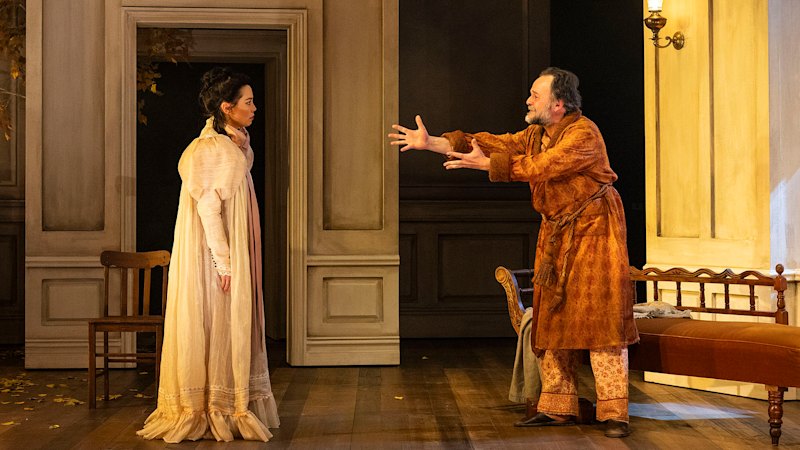
A recent theatrical production of Anton Chekhov's classic play, 'Uncle Vanya,' has been staged with a distinct period setting. The production features costumes and a set design that evoke the final decade of the 19th century. The set specifically aims to represent a crumbling estate from that era. This approach offers a fresh perspective on a well-known work. The play itself is described as a sharp take on its source material, exploring themes of unrequited love and disillusionment. The staging aims to capture the essence of the period while delivering a compelling performance of the classic drama.
This production of 'Uncle Vanya' utilizes a period setting to explore timeless themes of human relationships and societal expectations. By situating the drama in the late 19th century, the staging may highlight the historical context of its characters' struggles, potentially drawing parallels to contemporary issues of unrequited affection and existential dissatisfaction. The choice of a crumbling estate as a set design could symbolize the decay of traditional values or the characters' internal states. This approach invites audiences to consider how historical circumstances shape personal destinies and the enduring nature of certain human predicaments across different eras.
AI-generated to prompt reflection — not editorial opinion, not advice, not a statement of fact. How this works.