A Soldier Known in Battle, Unknown in History
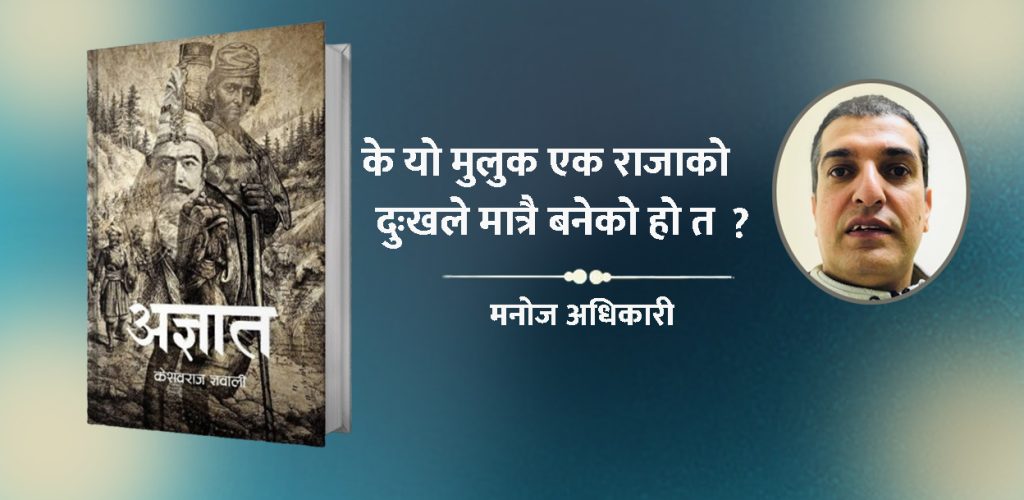
A young man, who spent a year searching for his mother, finds himself joining the ranks of Gurkha Captain Balbhadra Kunwar's contingent during the Nala Pani battle. This historical engagement, fought by Gurkha soldiers, saw Captain Kunwar lead his forces against the British East India Company. The Nala Pani battle is a significant event in Gurkha military history, often remembered for the bravery and resilience of the Gurkha soldiers. The narrative highlights the personal journey of an individual caught up in larger historical events. His quest for his mother is juxtaposed with his unexpected involvement in a major conflict. The story touches upon themes of family, duty, and the impact of war on ordinary lives. The specific details of his mother's whereabouts or the outcome of his search are not provided, but his participation in the battle is confirmed. Captain Balbhadra Kunwar is a notable figure from this period, recognized for his leadership. The inclusion of this soldier's personal story within the context of the Nala Pani battle adds a human dimension to the historical account.
This narrative highlights the historical tendency for individual soldiers' personal lives and struggles to be overshadowed by the grander narratives of warfare and national history. While Captain Balbhadra Kunwar and the Nala Pani battle are recorded, the personal journeys of those who fought, such as the young man searching for his mother, often remain undocumented. This dynamic underscores a systemic challenge in historical record-keeping, where the experiences of common individuals are frequently lost. Future historical analysis might benefit from exploring methods to uncover and integrate these personal stories, offering a more complete understanding of conflict's human cost and the diverse motivations of those involved. This approach could also foster greater empathy and recognition for the sacrifices made by all participants, not just the recognized leaders.
AI-generated to prompt reflection — not editorial opinion, not advice, not a statement of fact. How this works.