AAP Alleges Modi Used Rahul Gandhi to Undermine CJP Protest
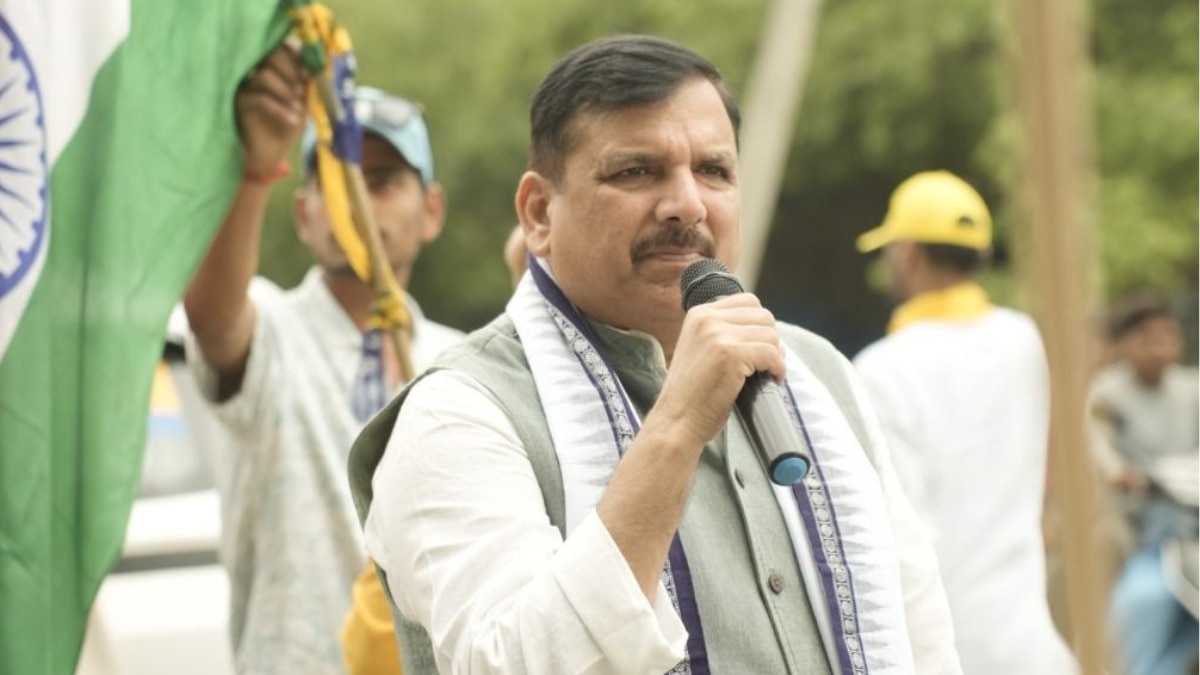
The Aam Aadmi Party (AAP) has accused Prime Minister Narendra Modi of orchestrating a protest by Rahul Gandhi outside his residence with the specific aim of weakening the Congress party's (referred to as 'Cockroach Janata Party' by AAP) movement. The AAP's statement suggests a strategic political maneuver by the Prime Minister to disrupt or diminish the impact of the Congress party's public demonstrations. This accusation highlights the intense political rivalry and the use of allegations as a tool in the ongoing political discourse in India. The AAP's framing of the Congress as the 'Cockroach Janata Party' is a derogatory term used to disparage the opposition. The party believes that by positioning Rahul Gandhi in a protest scenario, Prime Minister Modi intends to divert attention or undermine the credibility of the Congress party's broader agenda. This incident underscores the complex and often contentious nature of political campaigning and public relations in India, where parties frequently engage in accusations and counter-accusations.
This political accusation frames a protest event as a strategic move by the Prime Minister to weaken a rival party's movement. Such allegations, while common in competitive political landscapes, warrant examination through the lens of incentive structures. Political actors often seek to manage public perception and control narrative momentum. The effectiveness of such tactics can depend on media amplification and public reception, potentially influencing voter sentiment. Looking ahead, the increasing reliance on strategic messaging and perceived political maneuvering may shape future campaign dynamics, highlighting the evolving interplay between leadership actions and public opinion in the digital age.
AI-generated to prompt reflection — not editorial opinion, not advice, not a statement of fact. How this works.