Abandoned College Receives $1.5 Million for New Building Amidst Criticism
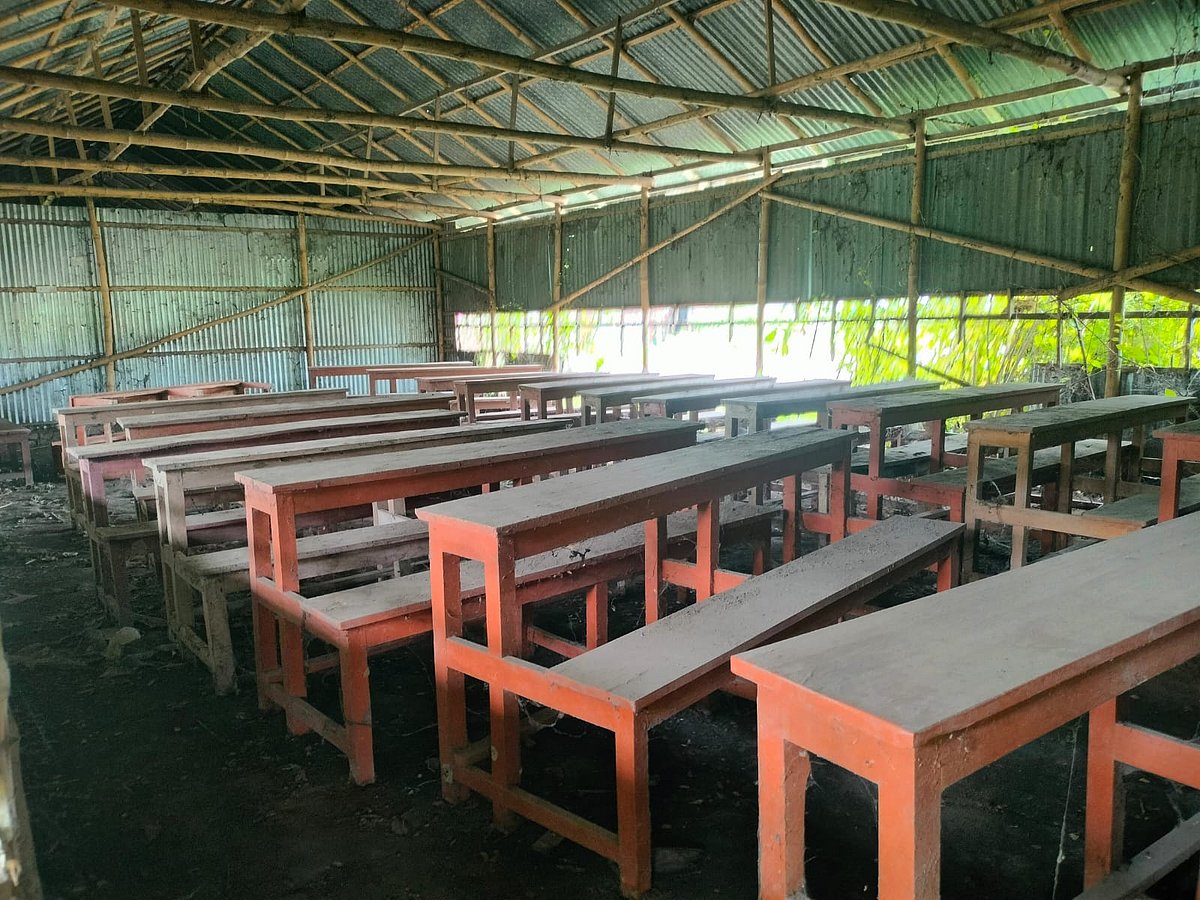
A dilapidated college in Magura's Shalikha Upazila, Munshi Shahidur Rahman BM College, is slated to receive 15 million BDT (approximately $1.5 million USD) for new building construction, despite appearing abandoned for years. The institution, located in the Chukinagar area, is not MPVO-ভুক্ত (enlisted for government stipends). Two old, semi-pucca structures on the site are in disrepair, overgrown with vegetation, and many rooms are locked, suggesting a lack of academic activity. Local residents claim that regular educational activities ceased about seven years ago, attributing the decline to the founders' political affiliations. The college was established in 2015 and reportedly had a few years of student attendance before becoming largely inactive. Currently, the principal claims around 50 students are enrolled, with about 15 participating in the ongoing higher secondary examinations. He attributes low student attendance to most students being employed and claims classes were held last month. The principal also mentioned facing legal cases and difficulties in securing aid for repairs, believing a new building would revitalize the institution. Information regarding the college's operational status was not readily available from local education offices, with officials stating that such technical colleges fall under the Technical Education Board. The allocation of funds is reportedly influenced by local Member of Parliament recommendations. An official from the District Education Engineering Department indicated that the decision to proceed with tendering for the project will be based on a survey report, which does not specifically require details on academic activities but includes a column for noting discrepancies. Experts question the logic of allocating significant development funds to institutions lacking regular academic engagement and student participation, suggesting an assessment of academic capacity should precede such projects.
The allocation of substantial public funds for infrastructure development at an institution with questionable academic activity raises governance concerns. While the stated aim is educational infrastructure improvement, the process appears to bypass rigorous assessment of current educational output and student engagement. The reliance on parliamentary recommendations for fund allocation, coupled with a survey process that doesn't explicitly mandate academic viability checks, suggests potential inefficiencies in resource distribution. Future policy could benefit from integrating robust, data-driven evaluations of academic performance and student attendance into the criteria for infrastructure funding, ensuring public resources are directed towards demonstrably active and effective educational centers. This approach would align with principles of accountability and optimize the impact of educational investments.
AI-generated to prompt reflection — not editorial opinion, not advice, not a statement of fact. How this works.