Abandoned Road in Pabna Reflects Poor Planning
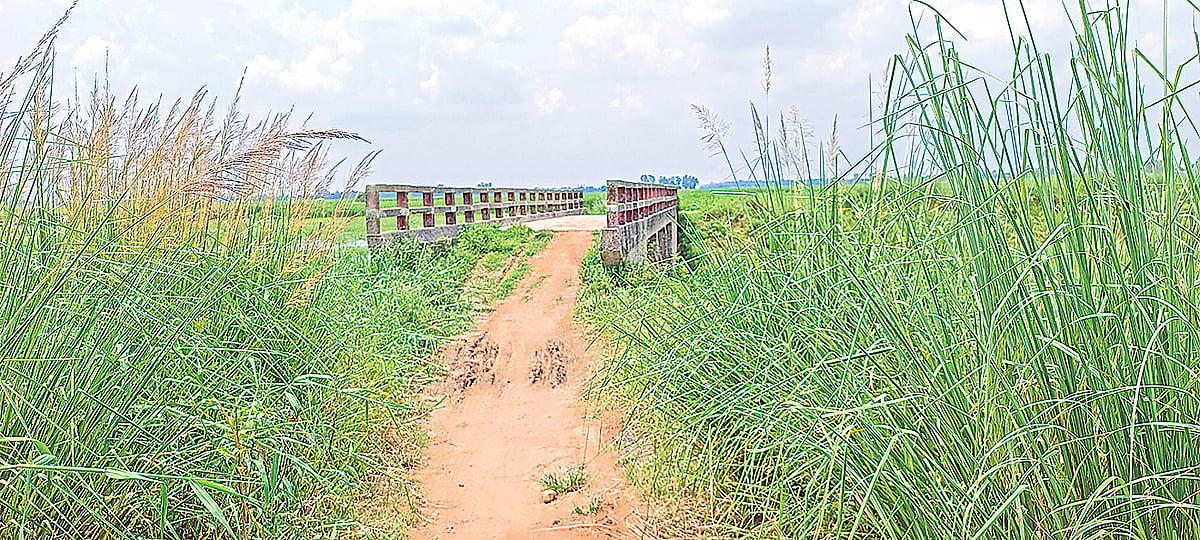
A once-busy road in Pabna, Bangladesh, is now considered 'abandoned' by local residents. The primary reason cited for its disuse is the road's construction, which locals claim was made too low and too narrow without adequate consideration for the surrounding wetland areas. This poor planning has rendered the road impractical and unusable for its intended purpose. The residents' complaints highlight a significant failure in infrastructure development, where environmental and geographical factors were seemingly overlooked. The current state of the road serves as a stark reminder of the consequences of inadequate foresight in public works projects. The lack of proper planning has led to a wasted investment and a loss of a potentially vital transportation link for the community. This situation underscores the need for more thorough environmental impact assessments and local community consultation during the planning phase of future infrastructure projects in the region.
The current state of the Pabna road suggests a disconnect between infrastructure planning and local environmental realities. The decision to build a low and narrow road without accounting for the wetland geography indicates potential systemic issues in regional development oversight. This oversight may stem from a lack of integrated planning processes that fail to incorporate ecological considerations and community input effectively. Looking ahead, such projects highlight the critical need for robust environmental impact assessments and adaptive design strategies, especially in ecologically sensitive areas. Future infrastructure development must prioritize long-term sustainability and community benefit over short-term construction goals to avoid similar outcomes.
AI-generated to prompt reflection — not editorial opinion, not advice, not a statement of fact. How this works.
