ABBA's 'Lay All Your Love on Me' Reimagined as Neoconservative Anthem
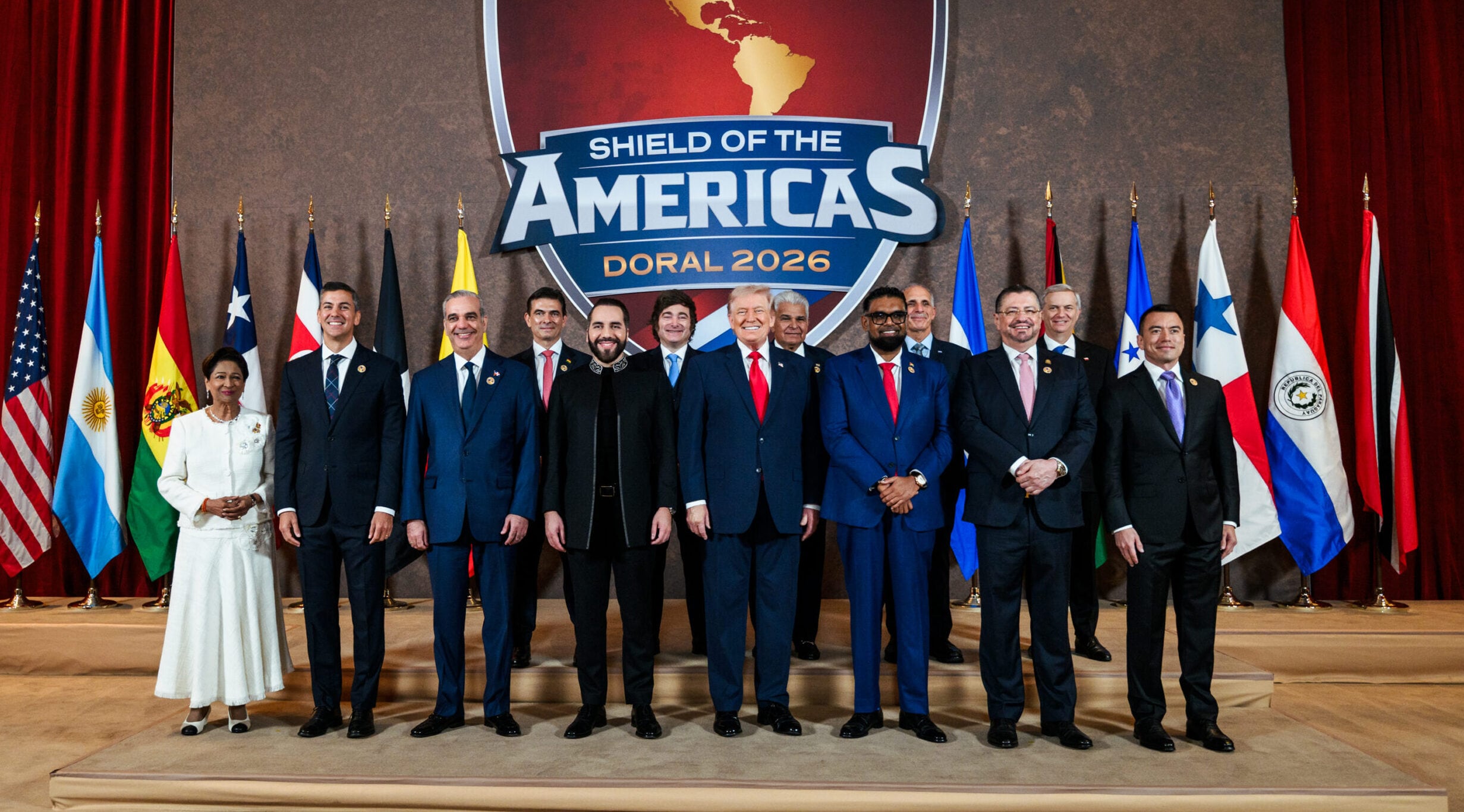
The 1980s ABBA dance hit 'Lay All Your Love on Me' has undergone an unexpected transformation, now serving as a soundtrack for a resurgent neoconservative movement. This shift is evident across social media, where the song accompanies videos promoting traditional values, the return of the Messiah, and speeches from leaders of a self-proclaimed 'New Holy Alliance.' Initially a popular dance track, the song faded from mainstream radio before being revived as an anthem for this international neoconservative bloc. Its synthesizer fanfares and dramatic pauses are now interpreted by adherents as apocalyptic signals, evoking trumpets, seals being opened, and the riders of the Apocalypse. The movement envisions Latin America aligning with the United States through evangelism, identifying enemies as those who commit crimes while in power and feign victimhood when they lose it. This perspective draws on historical interpretations, like Arnold Toynbee's, suggesting Anglo-Saxon prosperity stemmed from evangelization rooted in the Old Testament. The song's original lyrics, about a woman's drastic life change upon meeting a lover with the plea 'Don't waste your devotion, put all your love on me,' are now interpreted as a call for uncompromising commitment in a new era. While religious devotion demanding such totality is understandable, the author questions why politics adopts this 'all or nothing' stance. The piece concludes by cautioning progressives about the potential for unexpected alliances and the role of 'violence or its light substitutes' in historical change, suggesting neoconservatives have strategically adapted their message, much like a hobbit making a comfortable burrow.
The repurposing of a popular 1980s dance track by a neoconservative movement highlights the dynamic interplay between culture and ideology. This phenomenon underscores how cultural artifacts can be recontextualized to serve contemporary political narratives, transcending their original intent. The analysis suggests that such movements may leverage familiar cultural touchstones to broaden appeal and create a sense of shared identity and purpose, particularly when framing political goals in existential or apocalyptic terms. This strategic adaptation of cultural elements warrants examination through the lens of memetics and narrative construction in the digital age, as it can influence public perception and mobilize support by tapping into emotional resonance rather than purely rational discourse. Understanding these mechanisms is crucial for discerning the underlying drivers of political mobilization in an increasingly fragmented media landscape.
AI-generated to prompt reflection — not editorial opinion, not advice, not a statement of fact. How this works.