Abu Inaniya Madrasa: A Moroccan Sultan's Atonement
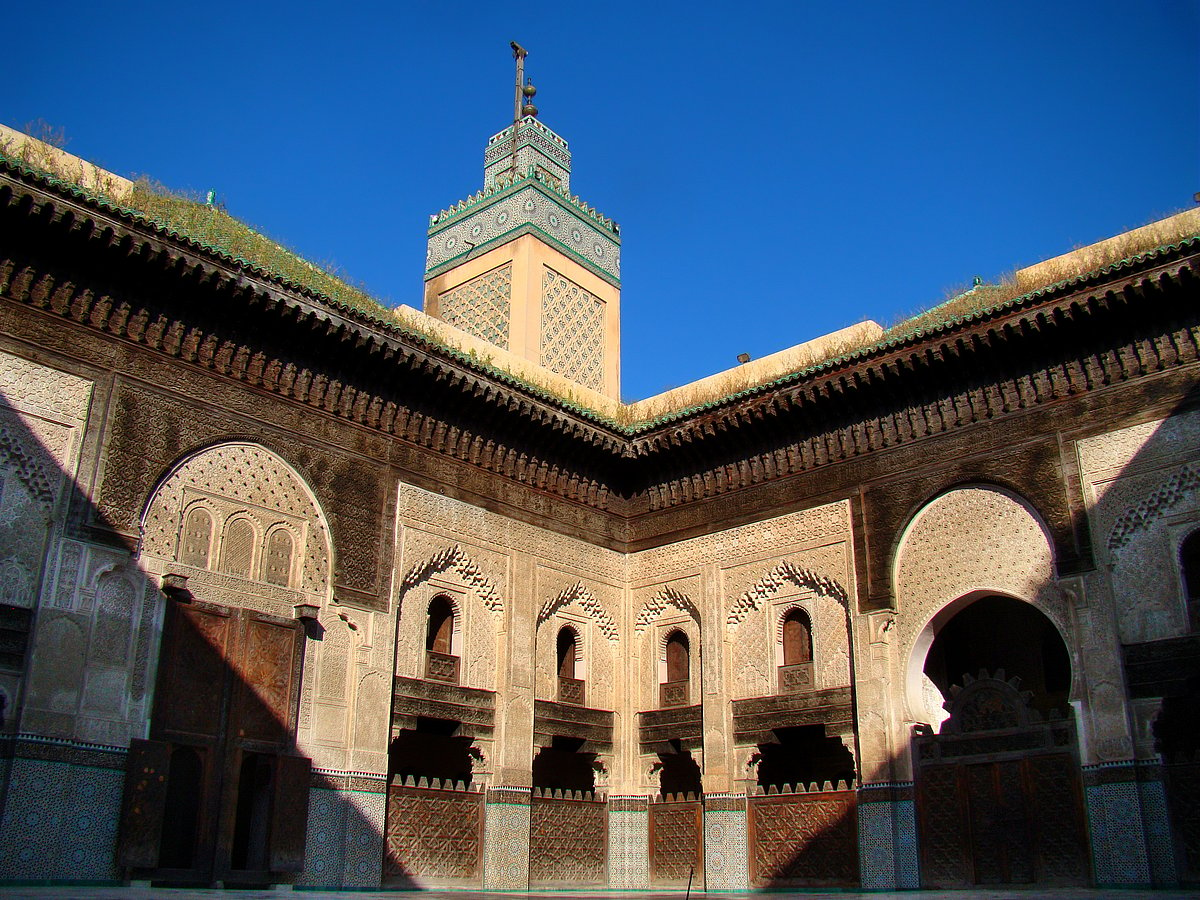
Sultan Abu Inan was deeply burdened by guilt over his rebellion against his father. Overwhelmed by remorse, he summoned religious scholars to seek a path to forgiveness. This internal struggle led to the establishment of the Abu Inaniya Madrasa, a testament to his desire for atonement. The madrasa, built in the 14th century, stands as a significant historical and architectural landmark in Morocco. It reflects the Sultan's profound regret and his attempt to reconcile with his past actions through a lasting charitable endowment. The institution served as a center for Islamic learning and scholarship, aiming to foster knowledge and spiritual guidance for generations. The legacy of Abu Inan's remorse is preserved in the enduring presence of the madrasa, which continues to be admired for its intricate design and historical importance.
The establishment of the Abu Inaniya Madrasa by Sultan Abu Inan, driven by remorse for rebelling against his father, highlights a recurring theme in leadership: the tension between personal ambition and familial duty. This act of endowment can be viewed as a strategic move to secure legitimacy and a favorable historical narrative, transforming personal guilt into a public good. In the context of governance, such actions demonstrate how historical figures sought to balance their legacies, often through monumental constructions that served both spiritual and political purposes. The enduring existence of the madrasa prompts reflection on how contemporary leaders might address past transgressions, considering the long-term societal impact of their decisions beyond immediate political or personal concerns.
AI-generated to prompt reflection — not editorial opinion, not advice, not a statement of fact. How this works.