Academic's Account of Leading Youth in Bangladesh's July Movement
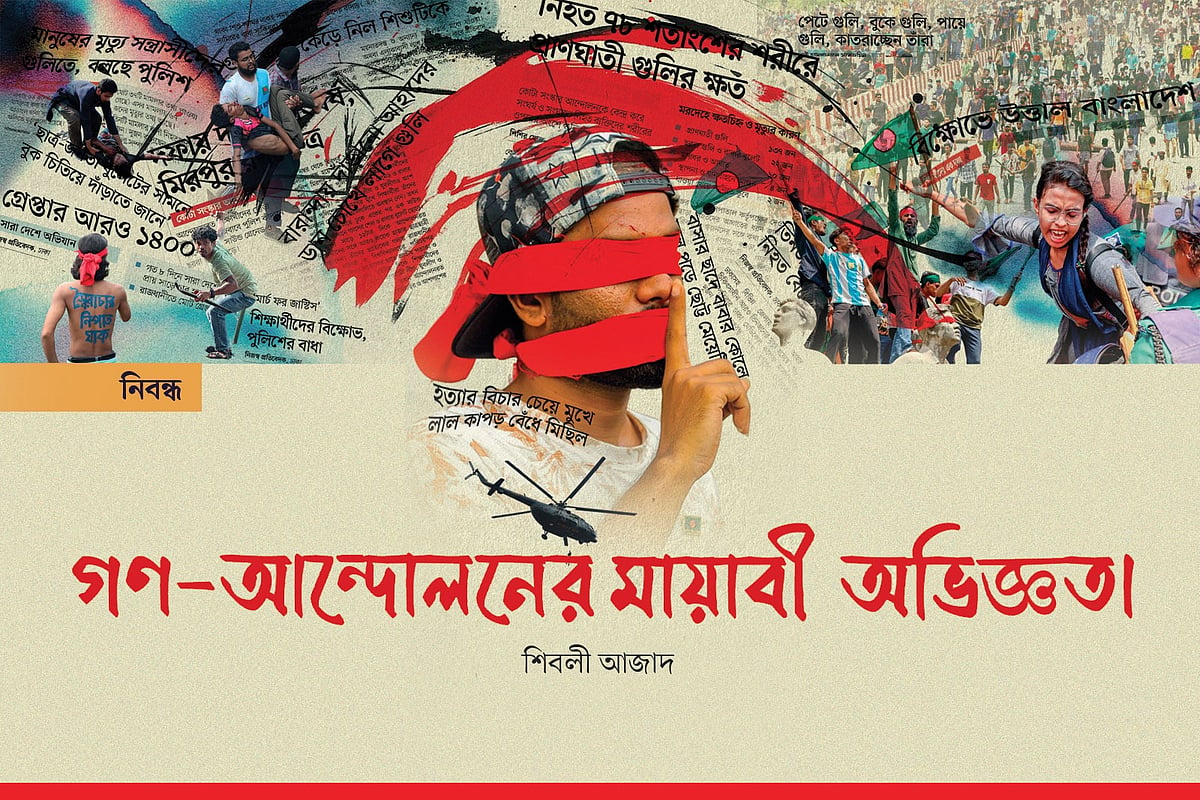
An academic recounts their experience interviewing young leaders of Bangladesh's July Movement, a large-scale protest that erupted in Dhaka. Initially outside the country, the author returned to find the streets filled with demonstrations and many of the movement's key organizers were former students. Motivated by a desire to preserve historical records and combat misinformation, the author began compiling interviews in December 2024. The movement lacked a centralized, formal leadership structure, with student groups from various educational institutions acting autonomously and following a timeline set by a nucleus at Dhaka University. The author observed that while leaders from public universities gained media attention, the significant contributions of students from private universities and madrasas were often overlooked. These students, who formed a substantial portion of casualties, were driven by a deep sense of injustice, particularly concerning issues like quota reform and the lack of recognition for their madrasa education. One coordinator explained how quota reform directly impacted their family and future, even though they attended a madrasa. The interview process revealed the young leaders to be remarkably humble and resilient, despite experiencing trauma and psychological distress from the violent events. Contrary to stereotypes, many were from middle and lower-middle-class backgrounds, demonstrating strong political awareness and a profound hope for the nation's future. The movement was fueled by years of pent-up frustration among the middle class. The author also highlighted that madrasa students, often wrongly perceived as marginalized or disconnected, are increasingly from middle-class families, engage with mainstream society, and are politically informed, partly due to technological access. The stigma and harassment faced by madrasa students, including being wrongly labeled as extremists, fueled their participation. A poignant account describes Ibrahim Munna, a private university student, staying with a critically injured child who later died, highlighting the deep empathy and commitment of the young participants. The July Movement is characterized as a spontaneous, rhizomatic, and social media-driven grassroots uprising led by the Gen-Z generation, driven by a vision for a new nation.
The July Movement in Bangladesh, as described, exemplifies a new paradigm of youth-led, decentralized activism amplified by social media. The narrative highlights a critical gap in historical documentation, where the lived experiences and motivations of grassroots participants, particularly from less visible educational streams like private universities and madrasas, are often marginalized. This suggests a systemic challenge in how societal narratives are constructed and who gets to define them. The analysis points to deep-seated socio-economic frustrations, particularly within the middle and lower-middle classes, as a primary driver, amplified by perceived injustices like quota system inequities and societal discrimination. The movement's spontaneous and decentralized nature, while powerful, also presents governance challenges for future movements seeking sustained impact. The author's personal engagement, while valuable for record-keeping, also underscores the emotional toll such movements take on participants, necessitating robust support systems that acknowledge the psychological aftermath of trauma and violence.
AI-generated to prompt reflection — not editorial opinion, not advice, not a statement of fact. How this works.