Accessibility in Public Transport: Lifts Often Out of Order, Says Disability Commissioner
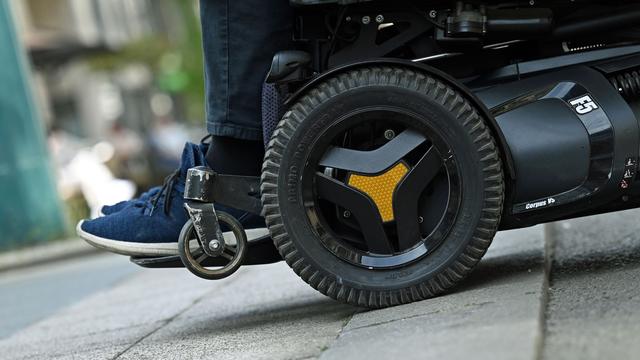
Germany's Commissioner for Matters Relating to Persons with Disabilities has highlighted significant accessibility issues within the public transport system. He stated that in many locations, lifts intended to provide access for individuals with mobility impairments are frequently out of order. This situation severely impacts the ability of people with disabilities to use public transportation independently and reliably. The commissioner's remarks underscore a persistent challenge in achieving full accessibility across the country's transit networks. Ensuring that essential infrastructure like lifts is consistently operational is crucial for fulfilling legal mandates and promoting equal participation. The ongoing unreliability of these facilities suggests a need for improved maintenance protocols and potentially increased investment in their upkeep. This issue affects not only individuals with permanent disabilities but also temporary mobility challenges, such as parents with strollers or elderly individuals. Addressing these shortcomings is vital for creating a truly inclusive public transport system.
The recurring failure of essential accessibility infrastructure like lifts in public transport points to systemic issues in maintenance and operational oversight. While the intention behind providing such facilities is commendable, their frequent unavailability suggests a disconnect between policy goals and practical implementation. This gap can be attributed to underfunding, inefficient maintenance contracts, or a lack of accountability mechanisms for ensuring consistent functionality. From a long-term perspective, the reliability of public transport is a key determinant of social inclusion and economic participation. Investing in robust, proactive maintenance strategies rather than reactive repairs could prove more cost-effective and significantly enhance user experience and trust. Future planning should consider the lifecycle costs of accessibility features and integrate them into broader transit system resilience strategies, particularly in light of demographic shifts towards an aging population and the increasing prevalence of diverse mobility needs.
AI-generated to prompt reflection — not editorial opinion, not advice, not a statement of fact. How this works.