Accessibility on Roads: An Unmet Need for Citizens with Disabilities
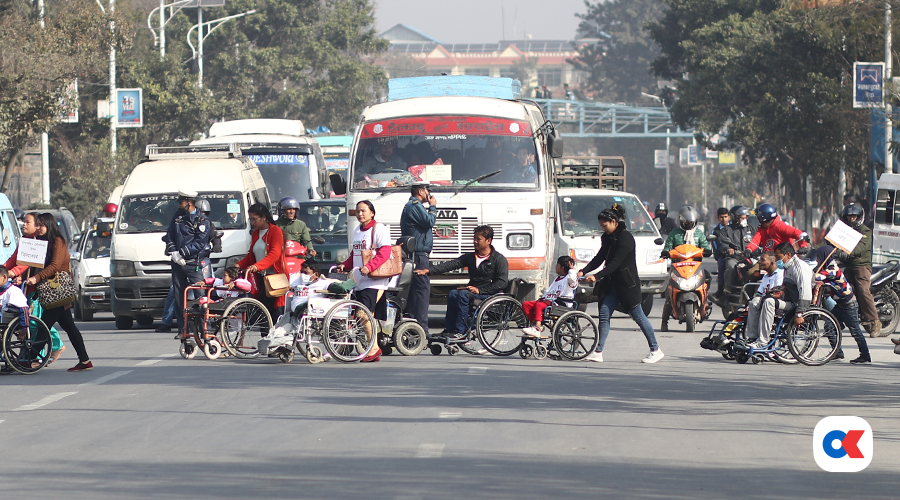
The true meaning of inclusive development extends beyond simply widening roads. It involves creating an environment where all citizens can use these public spaces safely and with dignity. Currently, citizens with disabilities face significant challenges in accessing and utilizing road infrastructure. This lack of accessibility raises questions about the practical implementation of inclusive development principles. Ensuring that roads are usable by everyone, regardless of physical ability, is a crucial aspect of a just and equitable society. The current situation suggests a gap between the ideals of inclusive development and the reality on the ground for many citizens. Addressing this requires a conscious effort to design and maintain road networks that cater to the diverse needs of the population. Without such considerations, the promise of inclusive development remains unfulfilled for a significant segment of society.
The current state of road infrastructure in many regions appears to prioritize conventional usage over universal accessibility, potentially hindering the full participation of citizens with disabilities in public life. This situation highlights a systemic challenge in urban planning and infrastructure development, where the concept of 'inclusive development' may be interpreted narrowly. Future urban planning frameworks should integrate robust accessibility standards from the outset, considering the long-term societal benefits of equitable access. This approach could foster greater social equity and economic participation, aligning with the evolving demands of a diverse and aging global population.
AI-generated to prompt reflection — not editorial opinion, not advice, not a statement of fact. How this works.