Accessible Tour in Rio Branco Offers Inclusive Exploration of City's Landmarks
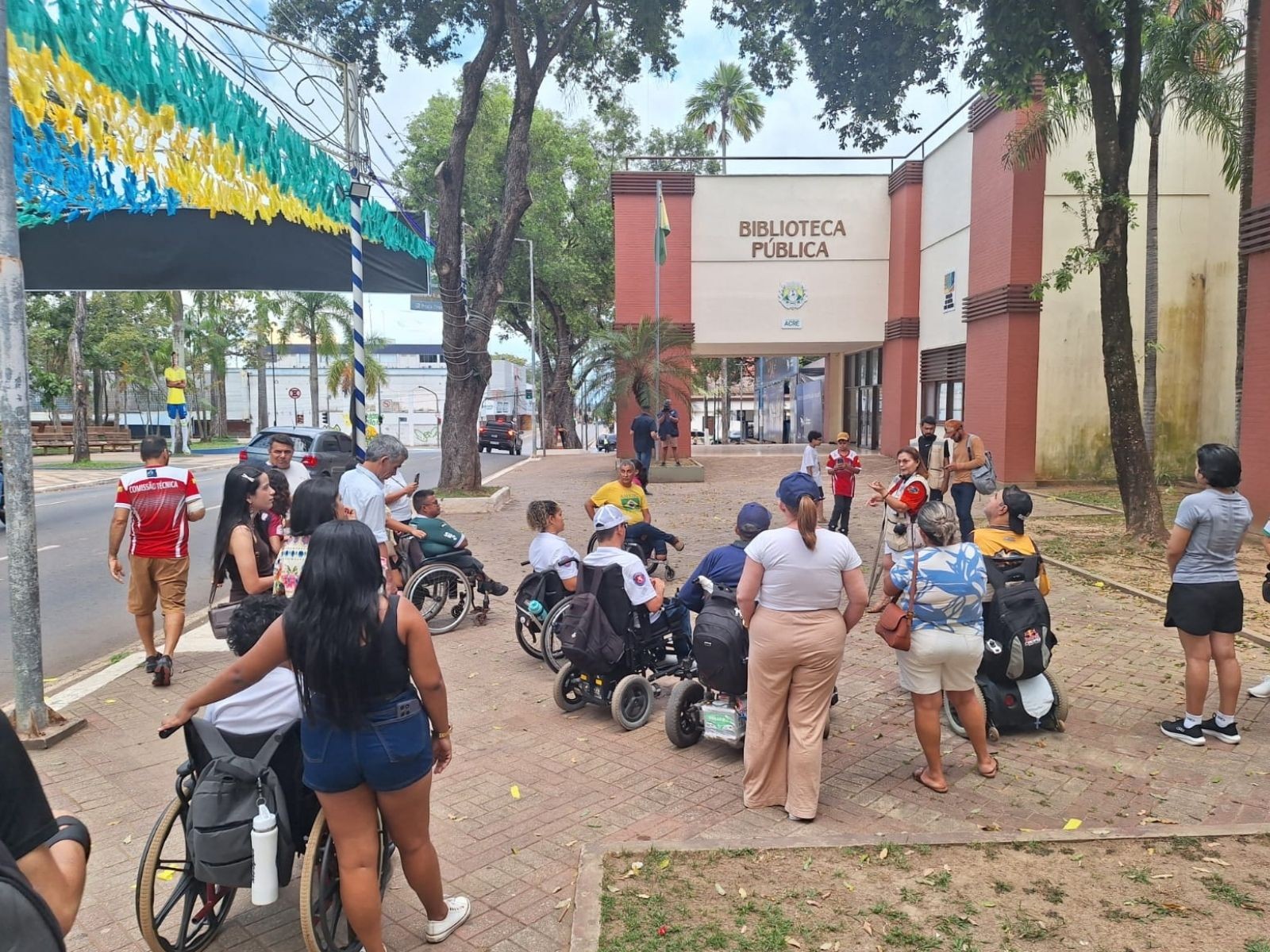
Rio Branco, Brazil, hosted its first Accessible Tour, 'Acreane-se: Tour das Praças,' on Sunday, December 12th, allowing individuals with physical disabilities to experience the city's historical sites. The initiative, organized by the Support Center for People with Physical Disabilities of Acre (Capedac), saw associates, families, and residents embark on a guided journey through key locations in the city center. Participants learned about the history and architecture of landmarks such as the Praça da Revolução, the former prison that now houses the municipal prefecture, and the Palácio Rio Branco. The tour also included visits to the Colégio Estadual Barão do Rio Branco, the Adonay Barbosa State Public Library, and historic commercial establishments, culminating with insights into the construction of the Palácio Rio Branco and Acre's history. Tourism guide Ana Cunha highlighted the experience as a catalyst for making tourism more accessible, emphasizing that the city belongs to everyone and that the tour provided valuable perspectives for improving services and guidance for diverse human conditions. The event was part of the larger 'Cultura na Praça' project, which features cultural activities and guided tours. Despite the success, Capedac noted that a lack of accessible transportation, including adapted taxis and functional bus platforms, remains a significant barrier for people with physical disabilities in Rio Branco. The idea for the tour originated after Capedac president Edvânio Silva Barbosa saw a report on tourism in the state capital, leading him to collaborate with tourism guide and historian Ana Cunha. Capedac plans to organize future tours to expand participation.
This initiative highlights the critical need for universal design principles in urban tourism and public spaces. While the 'Acreane-se: Tour das Praças' successfully provided an inclusive experience for some, the persistent challenges in accessible transportation underscore systemic infrastructure gaps. Future urban planning and tourism development must proactively integrate accessible transit solutions, such as dedicated fleets of adapted vehicles and improved public transport accessibility features. This not only fulfills social equity mandates but also expands economic opportunities by enabling broader participation in cultural and commercial activities. Addressing these structural barriers is essential for Rio Branco to realize its potential as a truly welcoming destination for all residents and visitors, fostering a more equitable and vibrant urban environment in the long term.
AI-generated to prompt reflection — not editorial opinion, not advice, not a statement of fact. How this works.