Aceros AZA Fails to Register 'Green Steel' Trademark
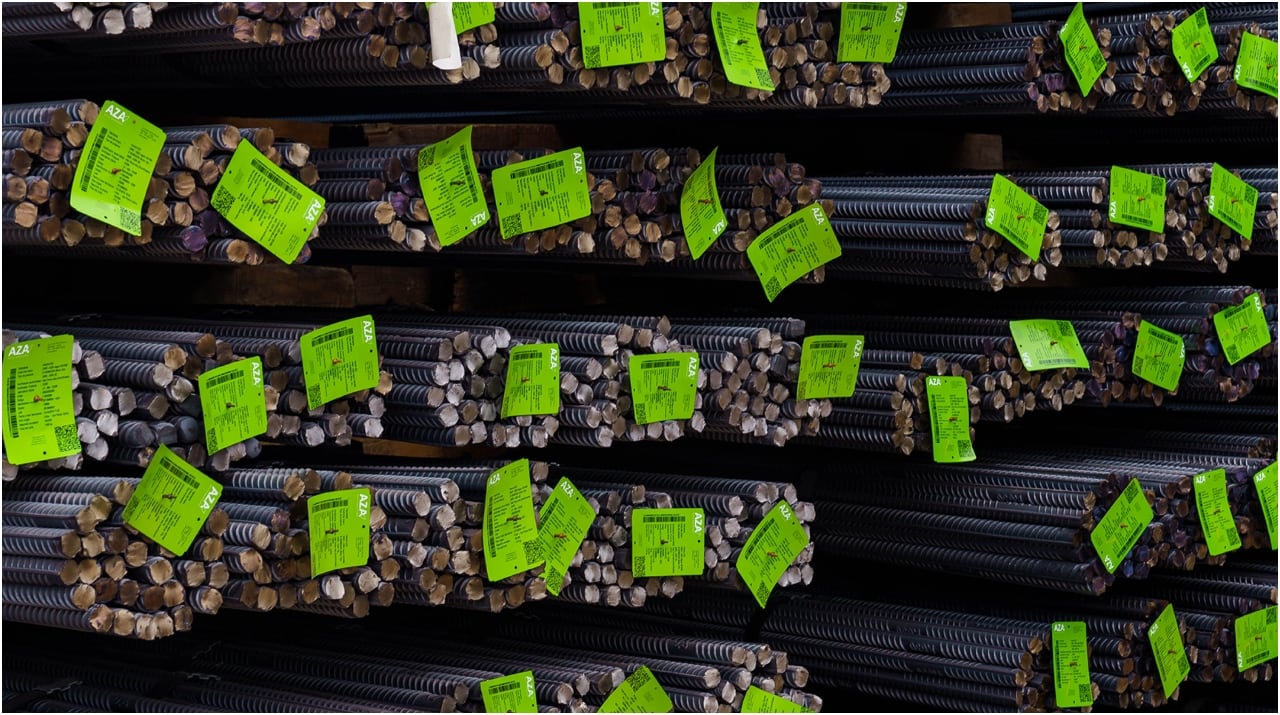
Aceros AZA, a long-standing company specializing in steel production through scrap metal recycling, has been unsuccessful in registering the trademark 'ACERO VERDE' (Green Steel). The company's attempt to secure exclusive rights to the term was rejected by the Industrial Property Tribunal. Last week, the tribunal ruled that the proposed label lacks the necessary distinctiveness to warrant trademark protection. This decision means that Aceros AZA cannot claim sole ownership of the 'Green Steel' designation for its products. The company's business model relies on recycled materials, positioning it within the sustainable manufacturing sector. However, the tribunal's ruling suggests that the term 'Green Steel' is considered descriptive rather than distinctive. This implies that other companies might be able to use the term to describe their own environmentally friendly steel production methods. The ruling highlights the legal challenges in protecting terms that describe a product's attributes, especially when those attributes are increasingly becoming industry standards.
The Industrial Property Tribunal's decision regarding Aceros AZA's 'ACERO VERDE' trademark application underscores a common challenge in intellectual property law: distinguishing between descriptive terms and protectable brand identifiers. While Aceros AZA's business model is rooted in recycling, positioning it as an early adopter of 'green' steel production, the tribunal's assessment suggests the term itself is too generic. This ruling reflects a broader trend where terms associated with sustainability are becoming widely adopted, making it difficult for any single entity to claim exclusive rights. For Aceros AZA, this may necessitate a strategic shift towards branding that emphasizes its unique processes or specific environmental benefits, rather than relying on a broadly descriptive term. Looking ahead, as the demand for sustainable materials grows, companies will need to navigate evolving regulatory landscapes and develop innovative branding strategies that are both distinctive and legally defensible, potentially focusing on certifications or proprietary technological advancements.
AI-generated to prompt reflection — not editorial opinion, not advice, not a statement of fact. How this works.