Acipi Commerce College Opens Enrollment for Undergraduate and Postgraduate Courses
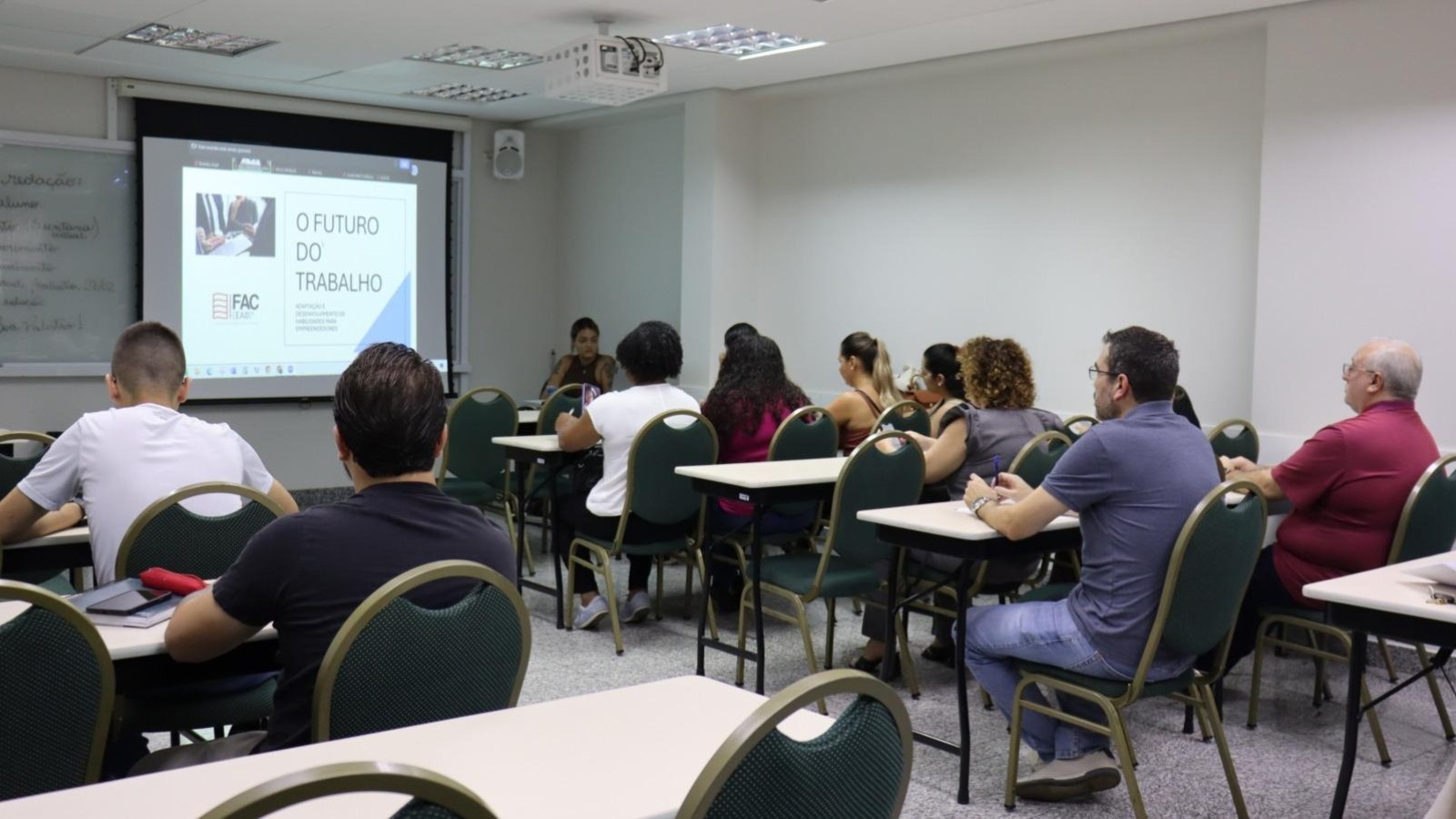
The Acipi (Piracicaba Commercial and Industrial Association), through its FAC (Commerce College) center, has opened enrollment for undergraduate and postgraduate courses, all of which have received the highest rating from the Ministry of Education (MEC). Classes are scheduled to commence in August, with special enrollment conditions available until the end of July. Associated companies and their employees and dependents will receive special discounts. The online (EAD) courses offer flexibility in study times and locations, reducing expenses on transportation, meals, and materials, while fostering student autonomy, discipline, and time management. A hybrid model is also available for undergraduate programs, featuring 20% of the workload in in-person activities, including exams, live classes, and practical projects. The undergraduate offerings include an eight-semester bachelor's degree in Accounting Sciences and four- to five-semester technologist degrees in fields such as Foreign Trade, Commercial Management, Financial Management, Logistics Management, Marketing Management, Human Resources Management, Systems Analysis and Development, and Internet Systems, along with a Management course specializing in construction materials. Postgraduate courses cover areas like Compliance and Corporate Governance, Data Analytics and Business Intelligence, Corporate Finance and Controlling, and Digital Marketing and E-commerce, among many others. Promotional pricing is available until July, with the first monthly payment at R$ 49.00 using coupon PIRA (or R$ 90.00 without), and subsequent payments at a fixed R$ 99.00 for both undergraduate and postgraduate courses in hybrid and fully online formats. Jorge Aversa Junior, Vice-President and head of the Acipi Business School-FAC Hub, highlighted the transformative potential of these courses, citing student success stories and the quality of faculty and curriculum.
The Acipi Commerce College's initiative to expand access to higher education, particularly in specialized business and technology fields, aligns with the increasing demand for skilled professionals in a competitive market. By offering flexible learning formats like EAD and hybrid models, the institution addresses the needs of working adults and aims to enhance career mobility and earning potential. The strategic focus on current market demands, coupled with promotional enrollment incentives, suggests a data-driven approach to student acquisition and retention. Looking ahead, the integration of emerging fields like data analytics, digital transformation, and AI-related business intelligence into their curriculum positions the college to equip students with future-proof skills, potentially fostering innovation and economic growth within the region.
AI-generated to prompt reflection — not editorial opinion, not advice, not a statement of fact. How this works.